
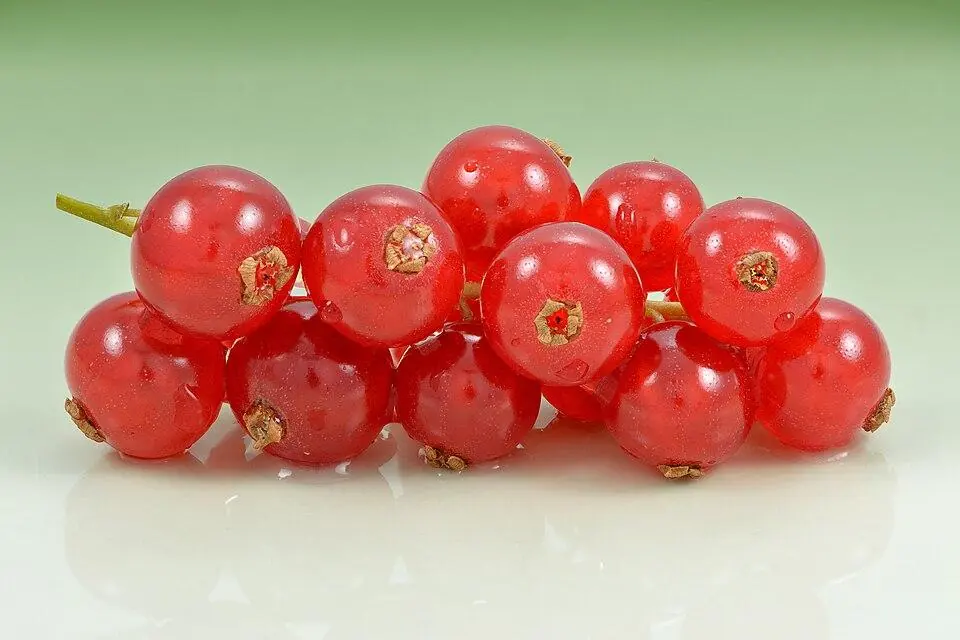
Know the differences between currants
Blackcurrants, redcurrants and whitecurrants are hardy shrubs, but they do not fruit or prune in exactly the same way. Blackcurrants produce their best crops on relatively young stems arising from the base. Red and whitecurrants are usually grown as bushes with permanent branches and fruit on short spurs, or trained as cordons and fans. Whitecurrants are a colour form of redcurrant and are managed similarly.
Choose cultivars with a suitable harvest period and check pollination notes, especially if growing only one bush. Currants are generally self-fertile, though good insect activity and suitable conditions help fruit set. They tolerate sun or partial shade, but a sunny, airy position usually gives better crops and helps fruit ripen.
Plant and care for the bushes
Plant bare-root bushes while dormant, from late autumn to early spring, in fertile soil that retains moisture without waterlogging. Space according to cultivar and training method; bushes commonly need about 1.2–1.5 m, while cordons can be closer on wires. Blackcurrants are often planted a little deeper than they grew in the nursery to encourage new stems from the base; follow supplier directions. Red and whitecurrants are usually planted at their original soil mark.
Water well after planting and during dry spells, particularly while fruit swells. Mulch with mature compost in spring, leaving a small gap around stems. Keep grass and weeds from competing at the base. Net the fruit before birds discover it, using a frame and regularly checked taut mesh.
Prune blackcurrants differently from red and white
For established blackcurrant bushes, remove up to about a third of the oldest, darkest stems at ground level each winter, retaining a balance of younger vigorous stems. This renewal method encourages new productive growth. Avoid cutting every stem back unless rejuvenating a neglected bush under a suitable plan.
Red and whitecurrants are commonly pruned in winter to maintain an open framework of permanent main branches and short fruiting spurs. Remove dead, damaged or crossing wood and shorten suitable side shoots to maintain the chosen bush shape. Cordons and fans need additional summer pruning to control new side growth. Training form changes the pruning method; identify the form before cutting. Clean tools between bushes if disease is suspected.
Harvest and manage common problems
Blackcurrants are usually picked as whole strigs once most berries are black and ripe; red and whitecurrants are commonly cut as full trusses when coloured and sweet-tart. Taste a few before harvesting because weather and cultivar affect flavour. Chill promptly or freeze; remove damaged berries and keep the crop dry.
Inspect for currant blister aphid, sawfly larvae, leaf spot and powdery mildew. Check leaf undersides and the interior of bushes early, when problems are easier to spot. Hand-pick sawfly larvae where practical, remove badly affected leaves, keep bushes open and clear fallen material. Netting can help with birds but must be secure and wildlife-safe.
Common mistakes
- Pruning red and whitecurrants as if they were blackcurrants and removing their productive framework.
- Failing to renew old blackcurrant stems, leaving a crowded bush with declining fruiting wood.
- Letting bushes compete with grass or dry out as fruit swells.
- Putting on loose netting that can entangle wildlife, or covering fruit after birds have already begun feeding.