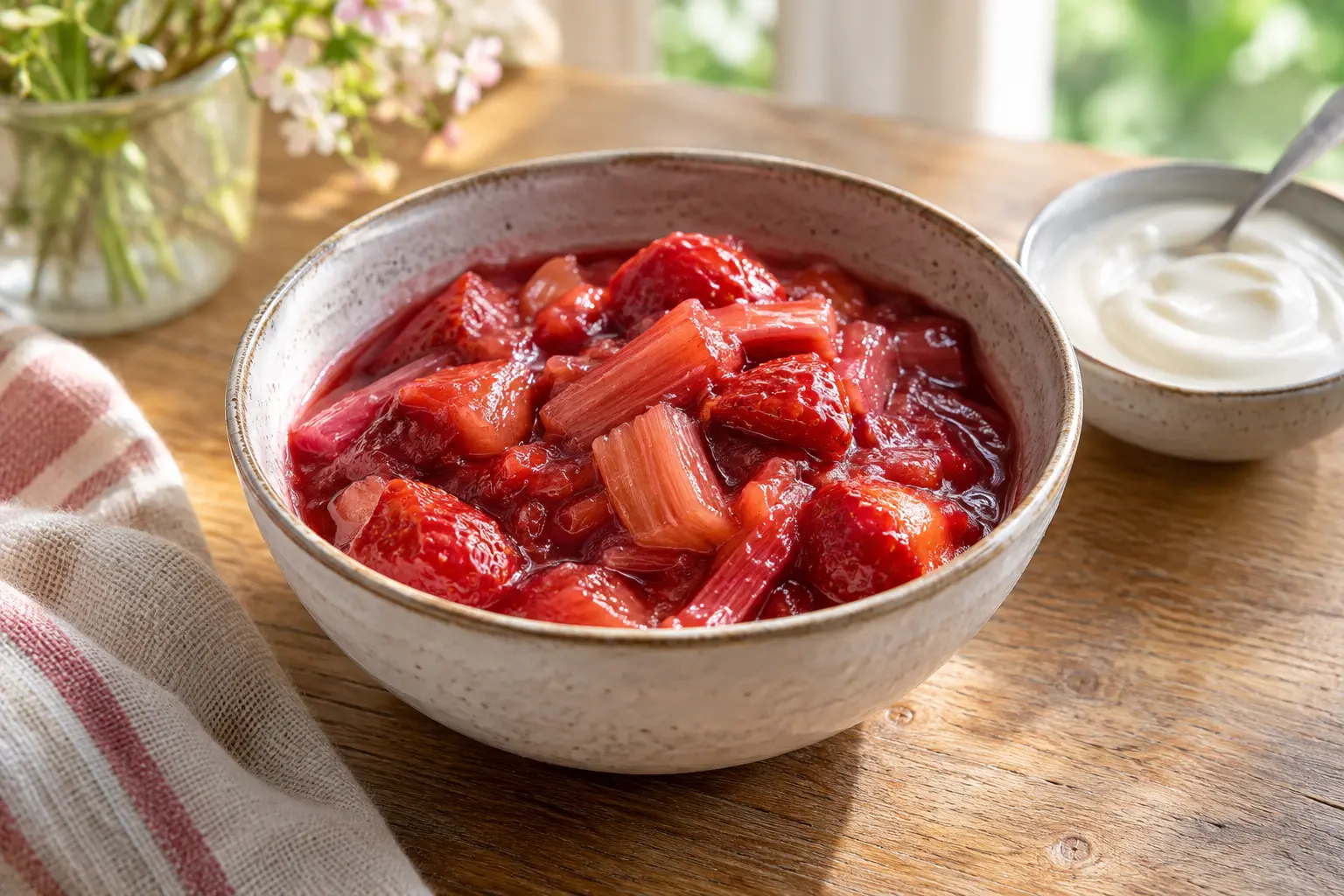
Strawberry & rhubarb compote
Rhubarb’s tartness and ripe strawberries make a quick, softly textured compote for breakfast or pudding. Cooking the rhubarb first lets it soften while the strawberries keep their shape and fresh aroma.
View full recipeALLOTMENT HUB UK
Bring together what you grow and produce on your plot.

Recipes brings together practical ideas for using allotment produce in meals. Choose ingredients from your plot, My Livestock or cupboard, then browse recipes that match what you have available.
Open a recipe for its ingredients, method and allotment tip.
YOUR INGREDIENTS
Nothing is selected automatically. Tick ingredients you have harvested or bought.
Your selections stay on this device until you change them.
Add crops to My Crops or livestock to My Livestock to see personalised recipe ingredients here.
Search and add ingredients you already have.
RECIPE LIBRARY

Rhubarb’s tartness and ripe strawberries make a quick, softly textured compote for breakfast or pudding. Cooking the rhubarb first lets it soften while the strawberries keep their shape and fresh aroma.

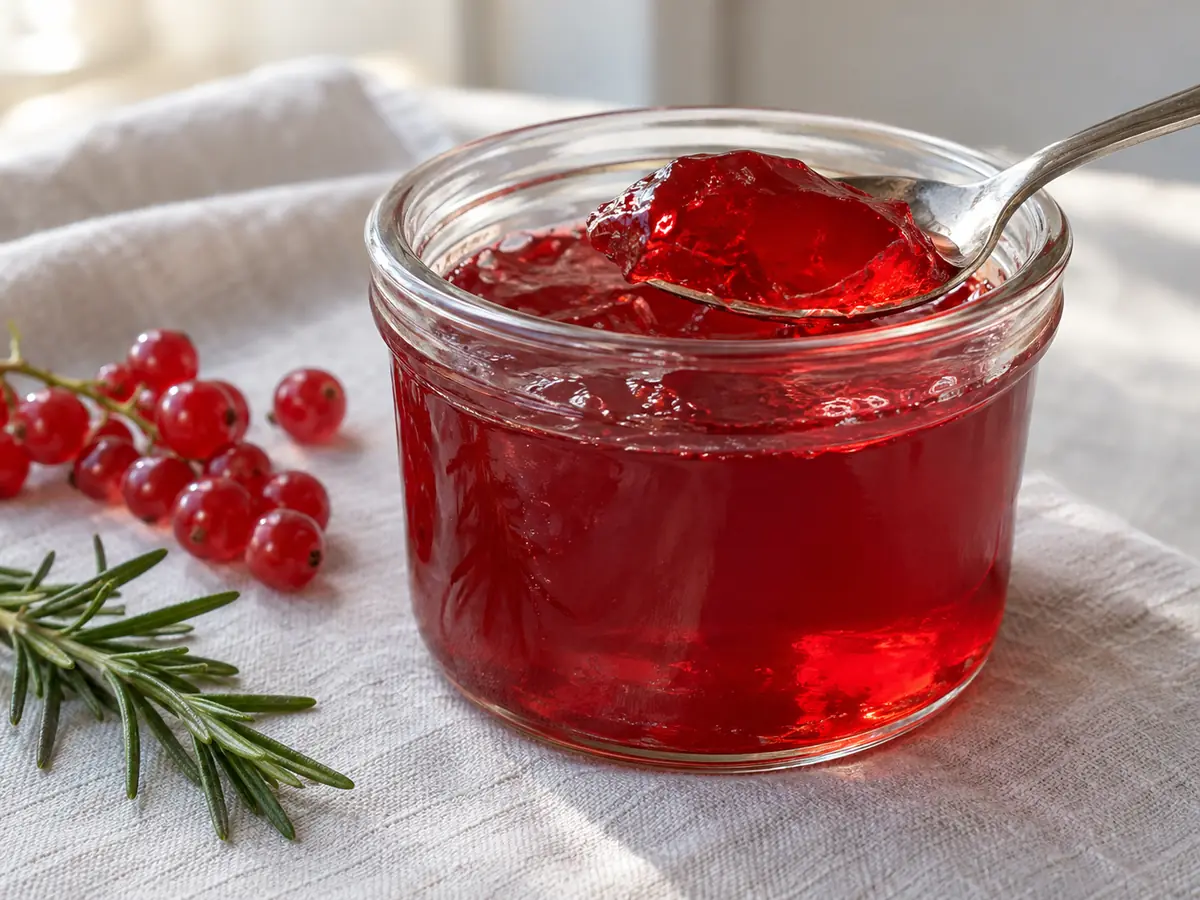
Redcurrants make a clear, sharply flavoured jelly, with a small amount of rosemary adding a gentle savoury note. The fruit juice is measured before the sugar is added so the set is dependable.

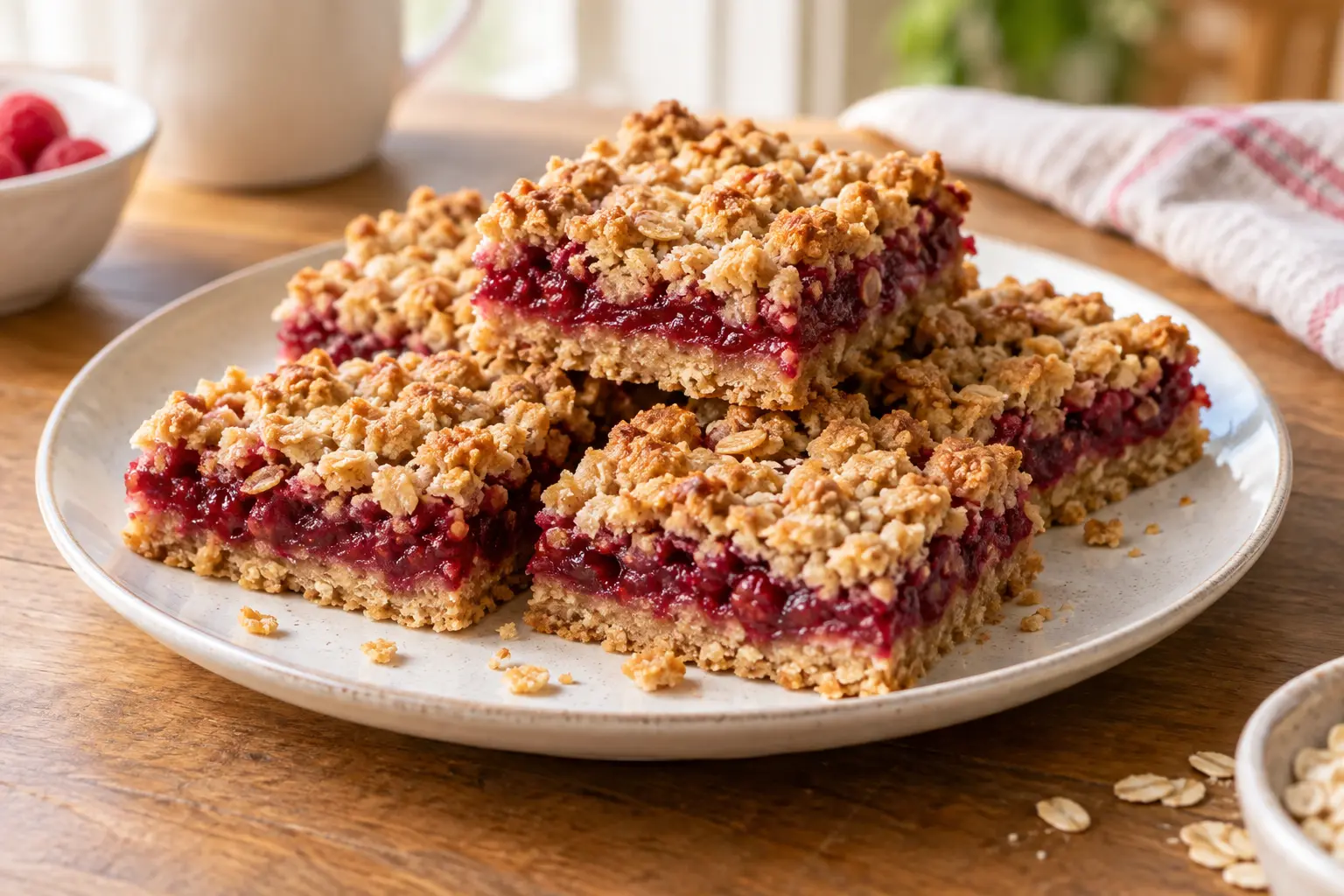
Soft raspberry fruit sandwiched between buttery oat crumble.

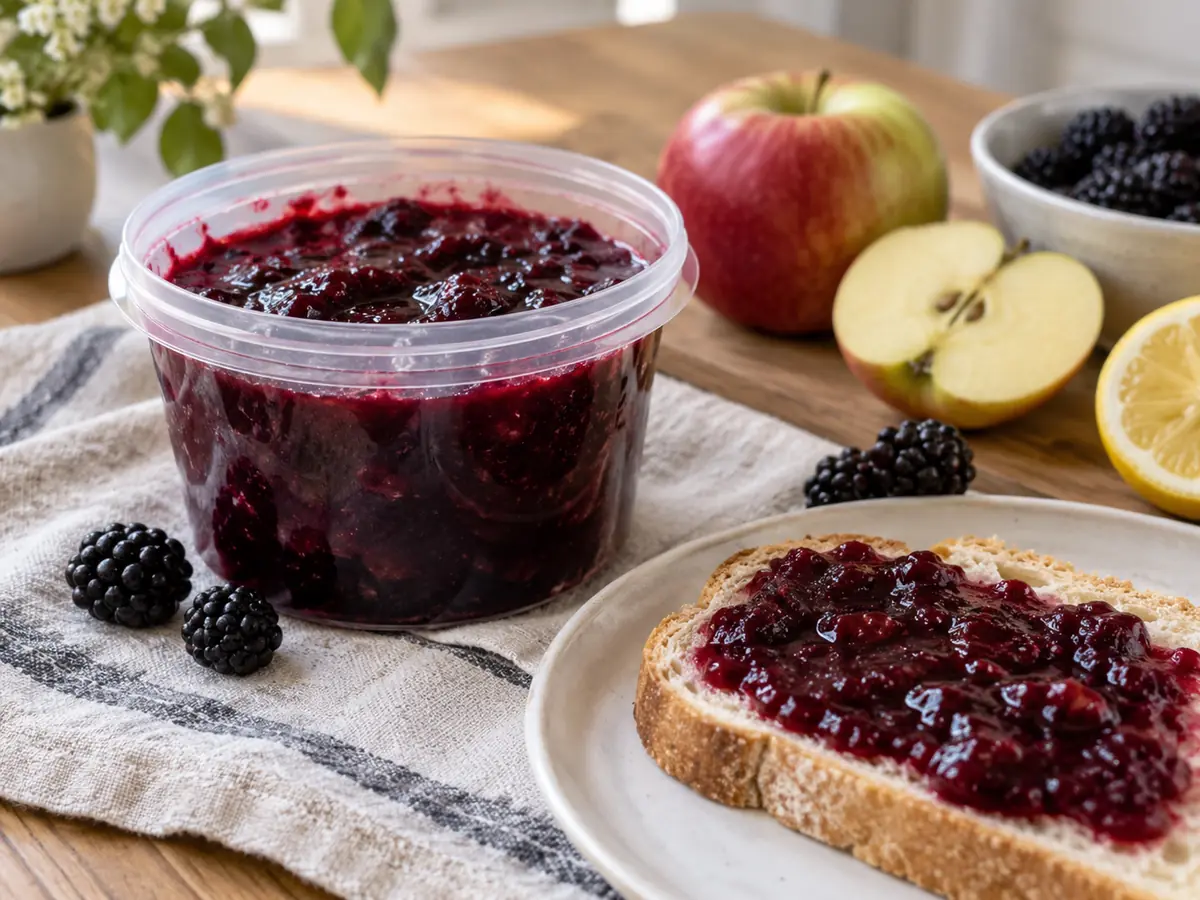
Blackberries and cooking apple simmer into a softly set fruit spread for the fridge or freezer. It is intended for chilled or frozen storage, not as a cupboard jam.

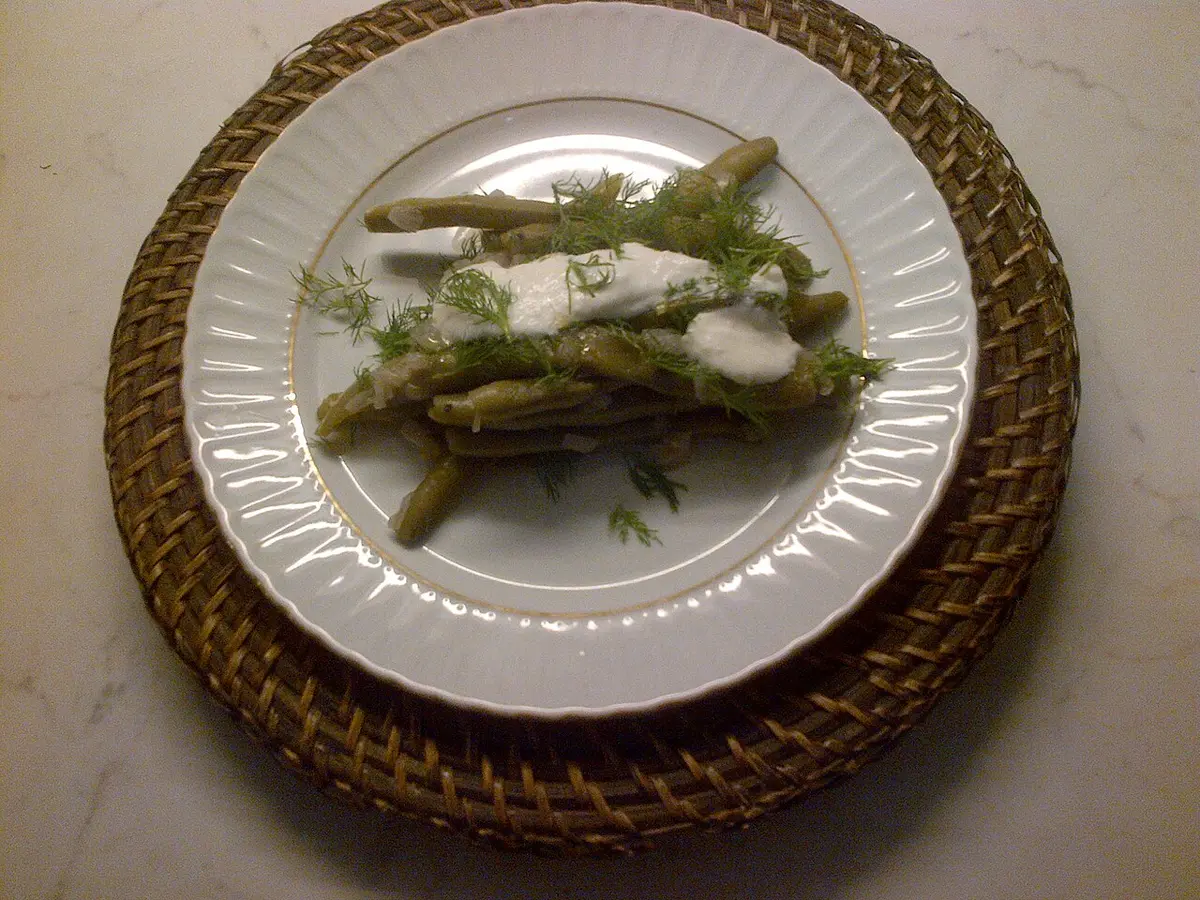
Use young garlic leaves or cloves with beans for a fast side dish.

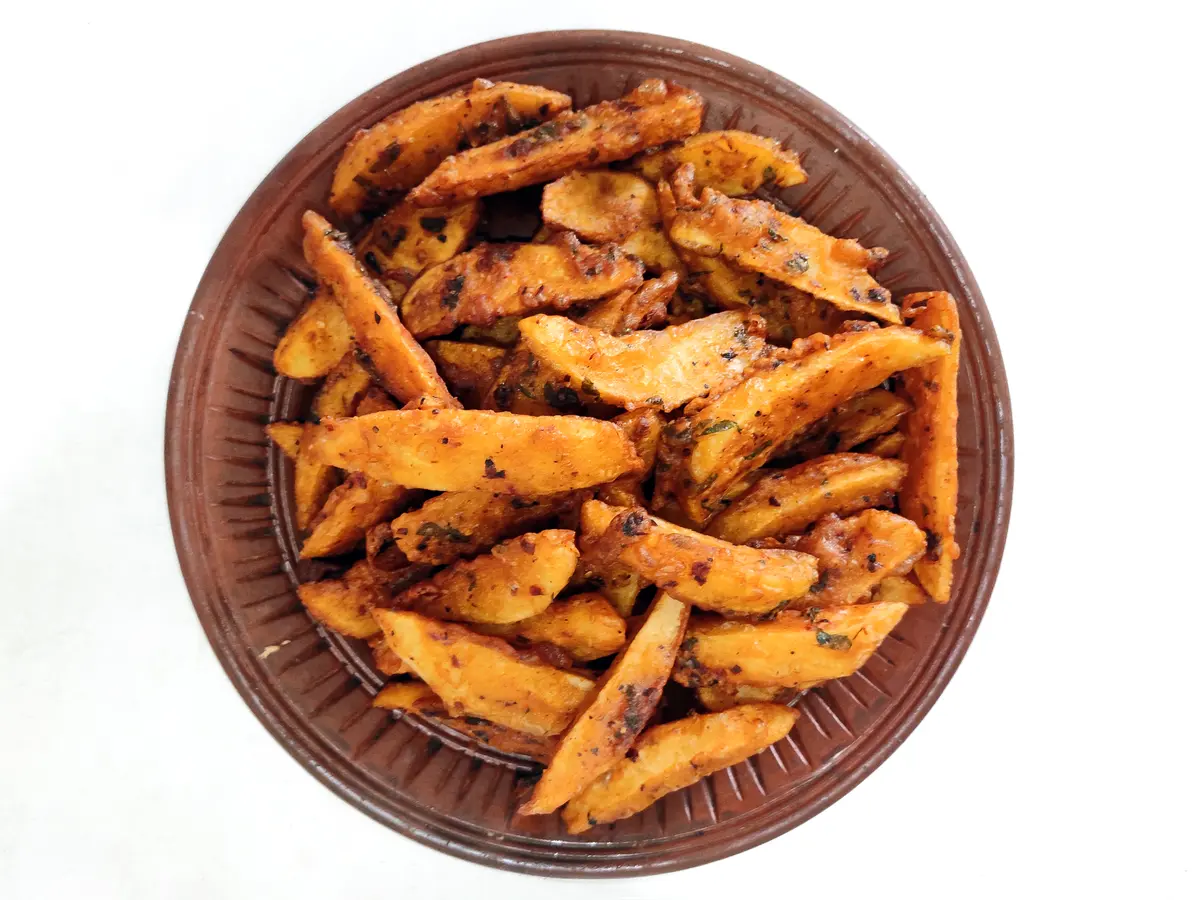
These oven-baked potato wedges have crisp, seasoned edges and fluffy centres, with garlic and thyme for flavour. Even cutting, thorough drying and a preheated tray help them brown without deep-frying.

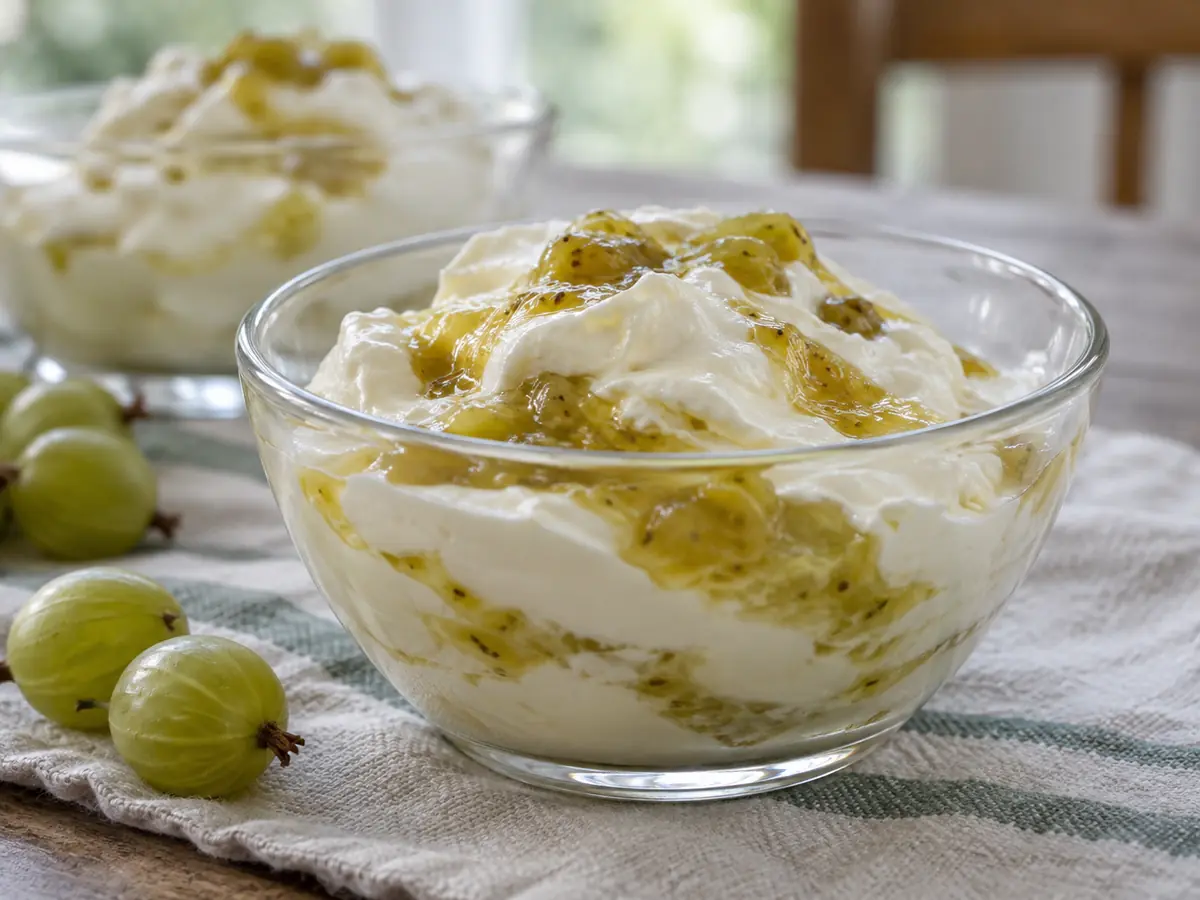
Tart gooseberries are gently softened with elderflower cordial, then folded through cream for a cool, lightly floral summer dessert.

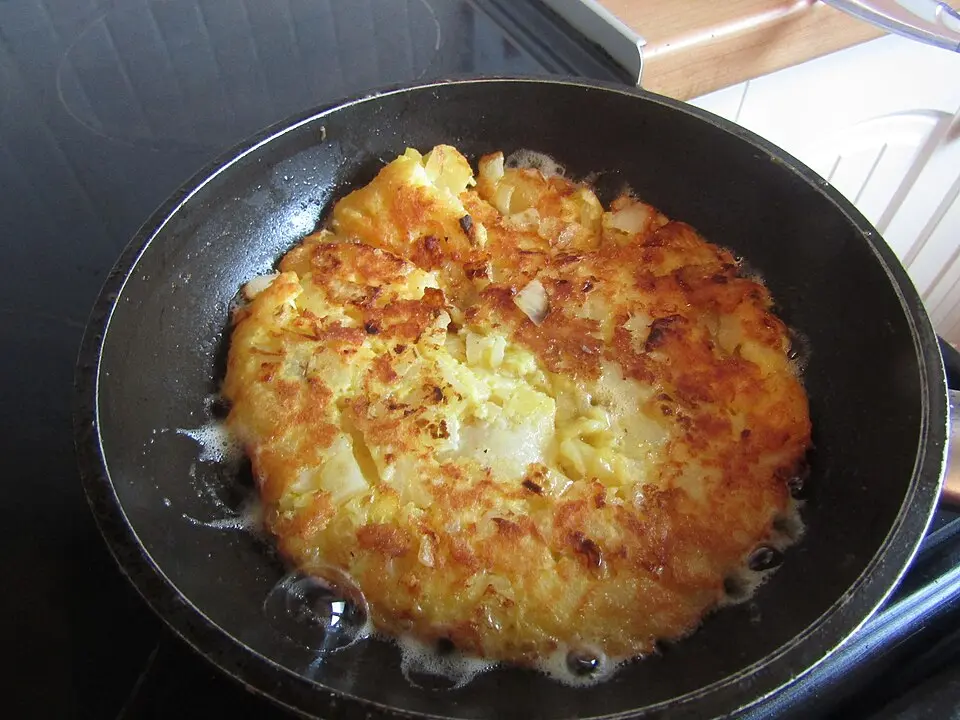
This new potato and herb frittata turns a small harvest of waxy potatoes into a satisfying lunch or supper. The potatoes are cooked until just tender, then set in gently cooked eggs so the centre stays soft rather than rubbery.

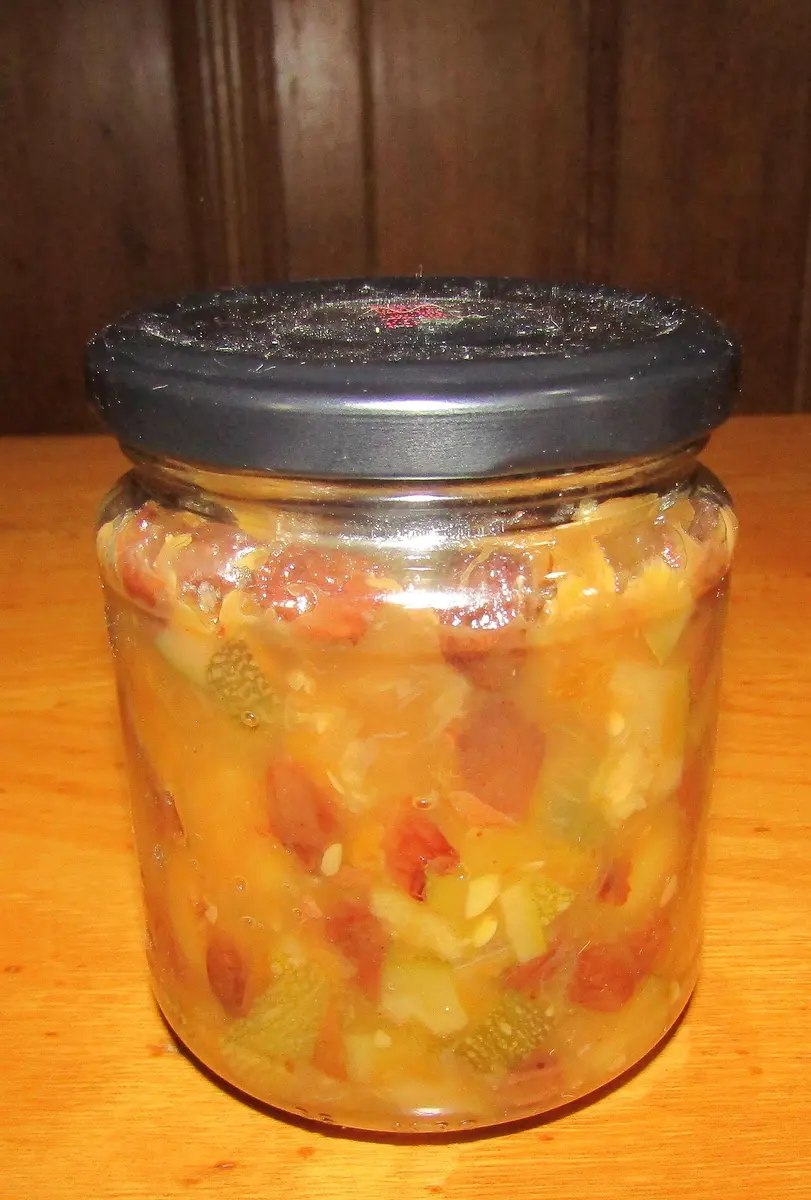
A gently spiced courgette, apple and onion chutney. This version is for refrigerated storage because its acidity has not been measured or validated for cupboard storage.

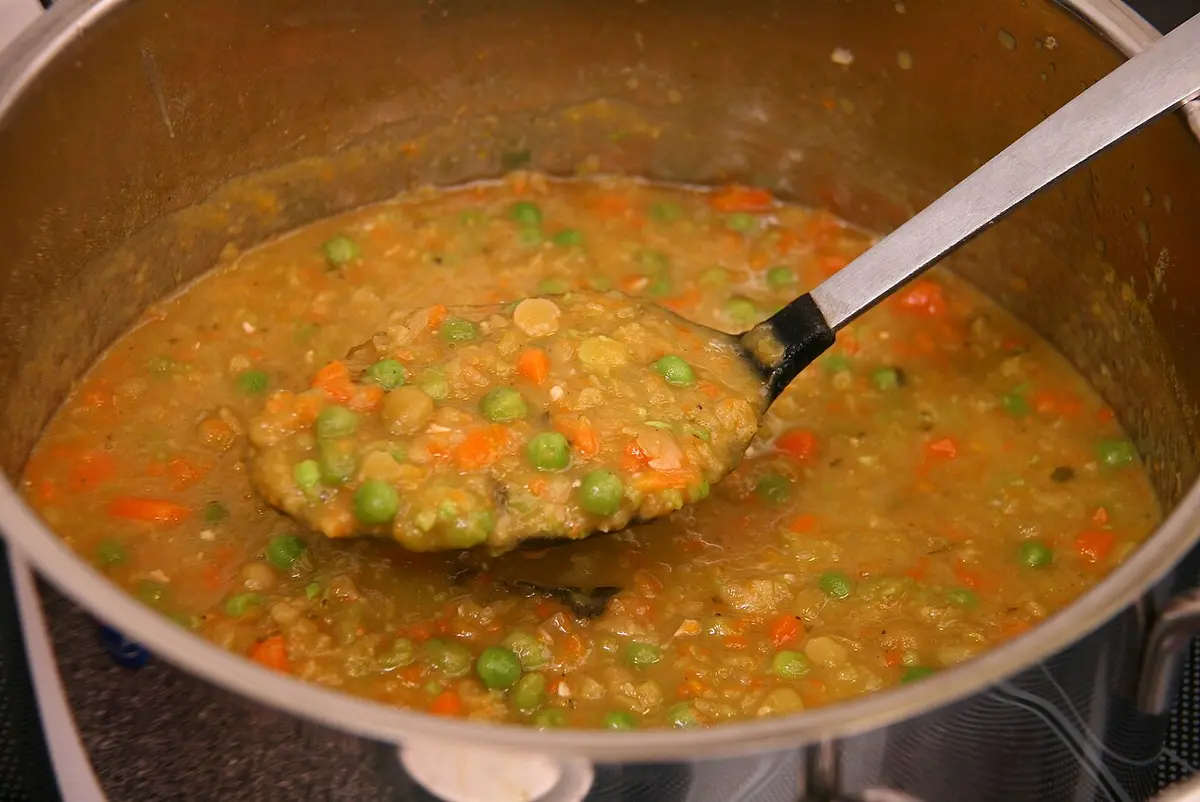
A quick, fresh soup that works with fresh or frozen peas.

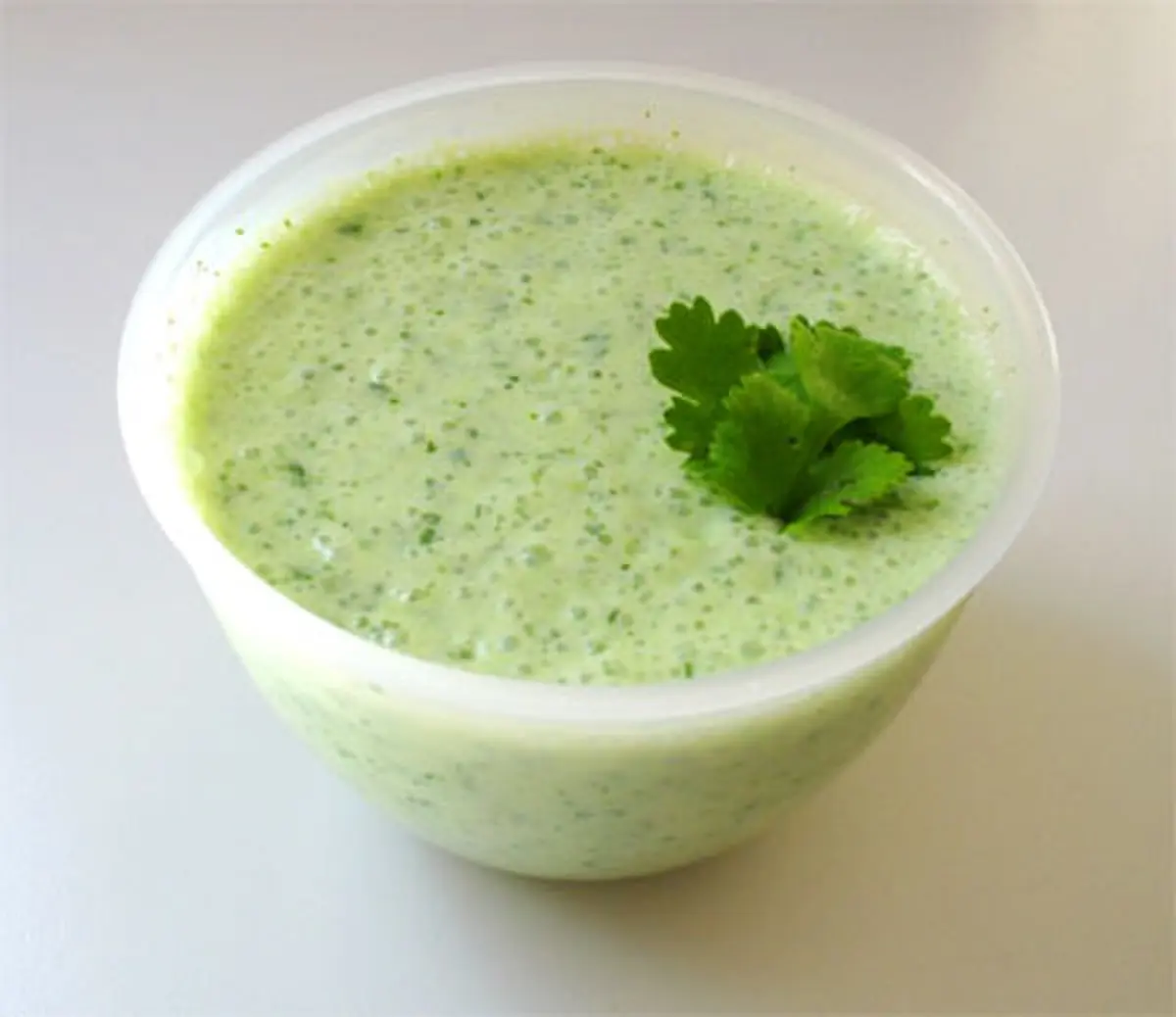
A thick cucumber, mint and yoghurt raita brings coolness and crunch alongside spicy dishes, fritters or grilled vegetables. Salt and drain the cucumber first so it does not water down the yoghurt.

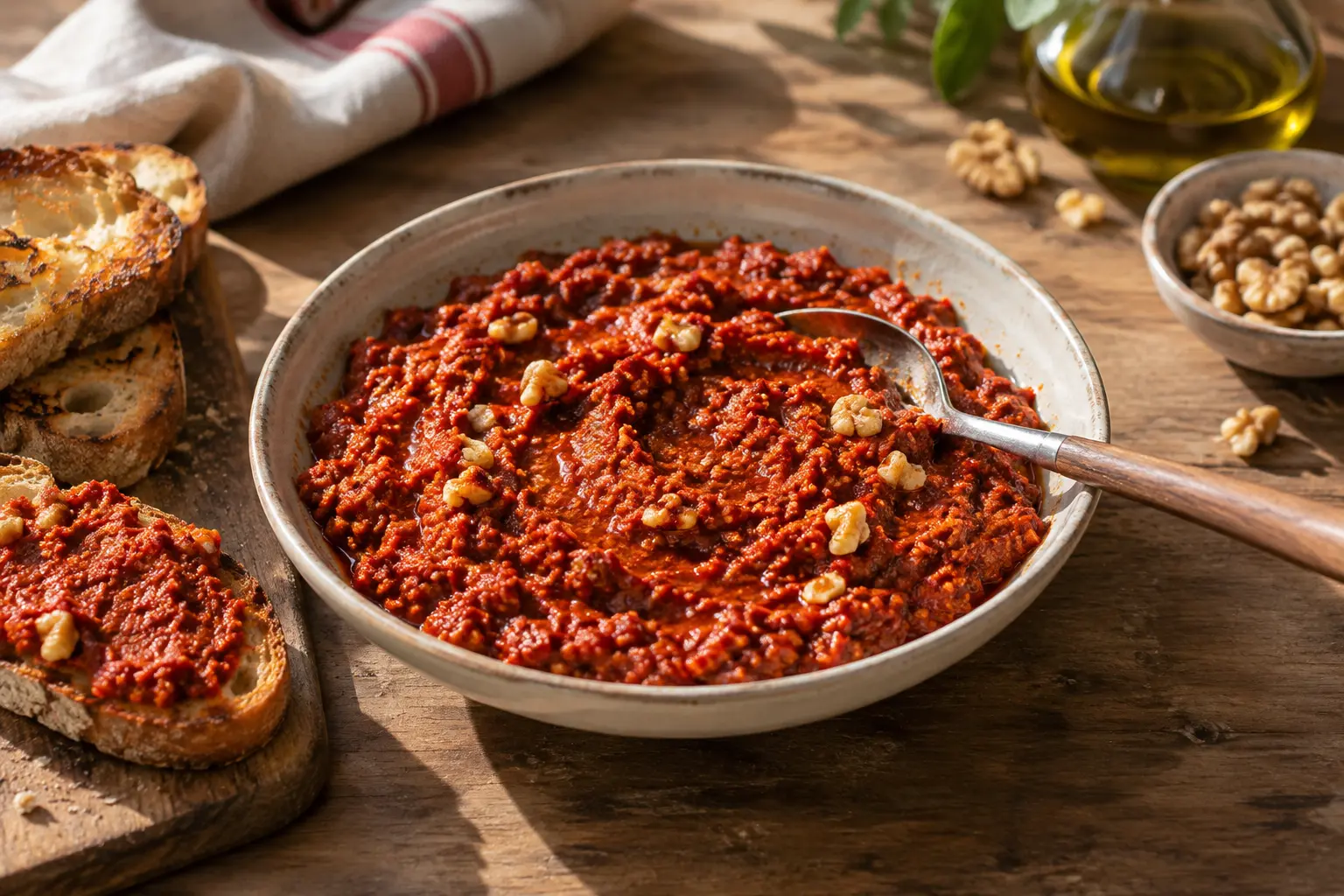
Roasted peppers become a vibrant spread for pasta, toast or grains.

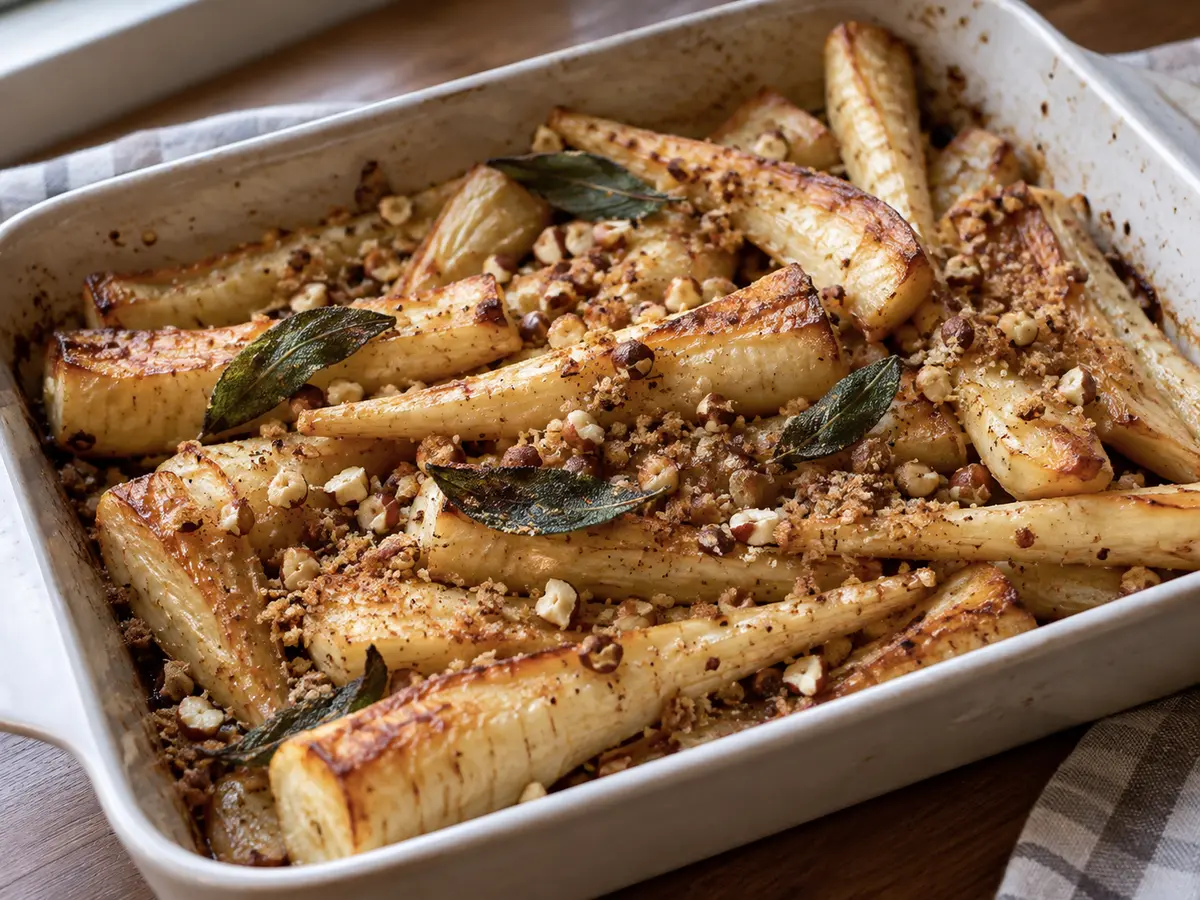
Parboiled parsnips roast until tender and deeply golden, then get a crisp hazelnut and sage crumb for a substantial winter side.

Ripe plums soften into a tart-sweet filling over a thin almond layer, while the free-form pastry edge bakes crisp and golden.

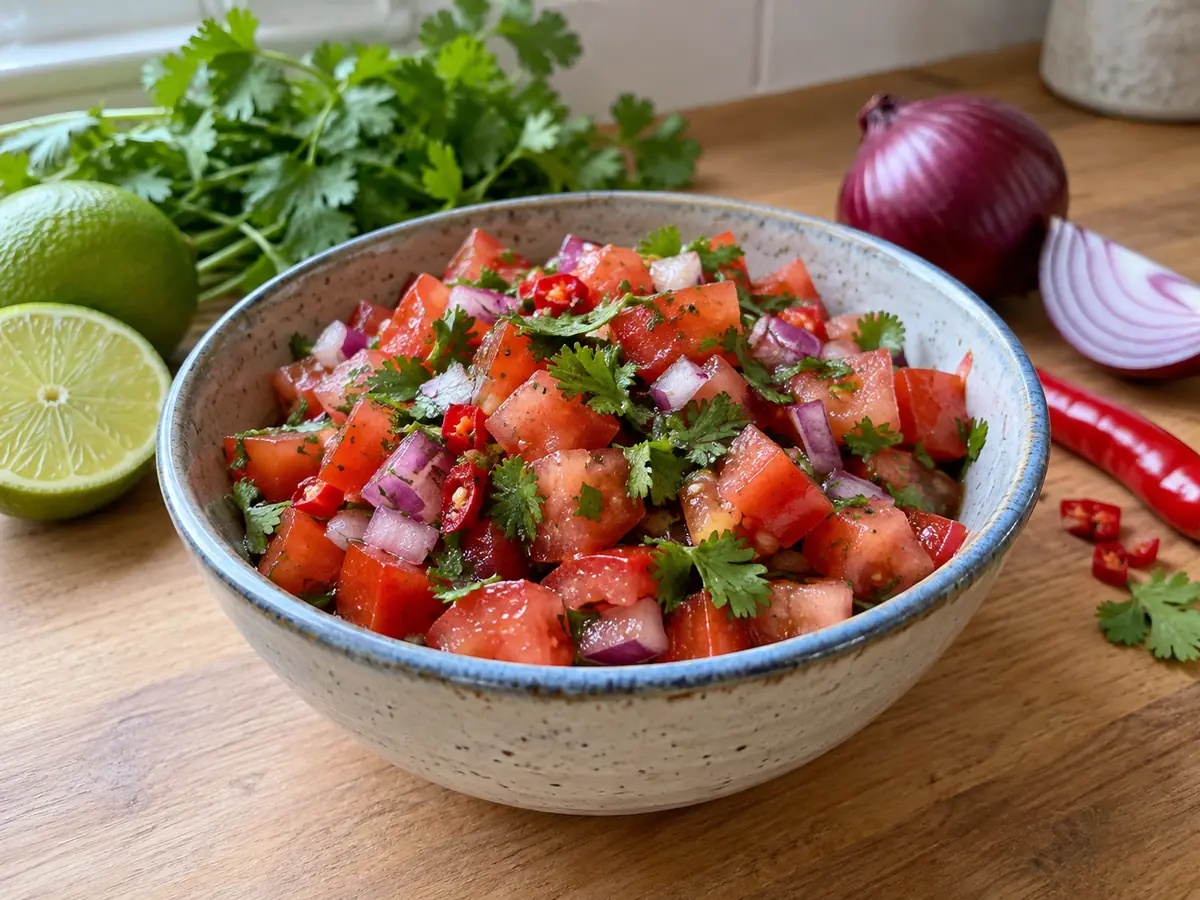
Ripe tomatoes, fresh chilli, coriander and lime make a bright, chunky salsa. Draining excess tomato juice first keeps the finished mixture fresh rather than watery.

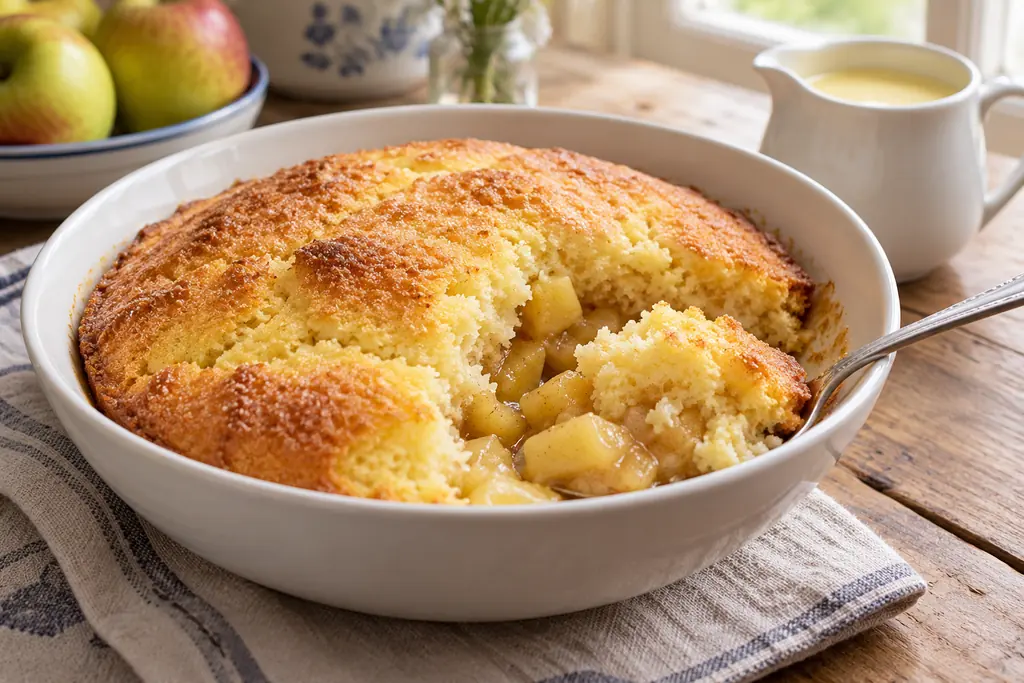
Eve’s pudding is a simple British fruit-and-sponge pudding that makes good use of sharp cooking apples. The apples soften beneath a light sponge, so choose a baking dish that leaves room for the topping to rise.

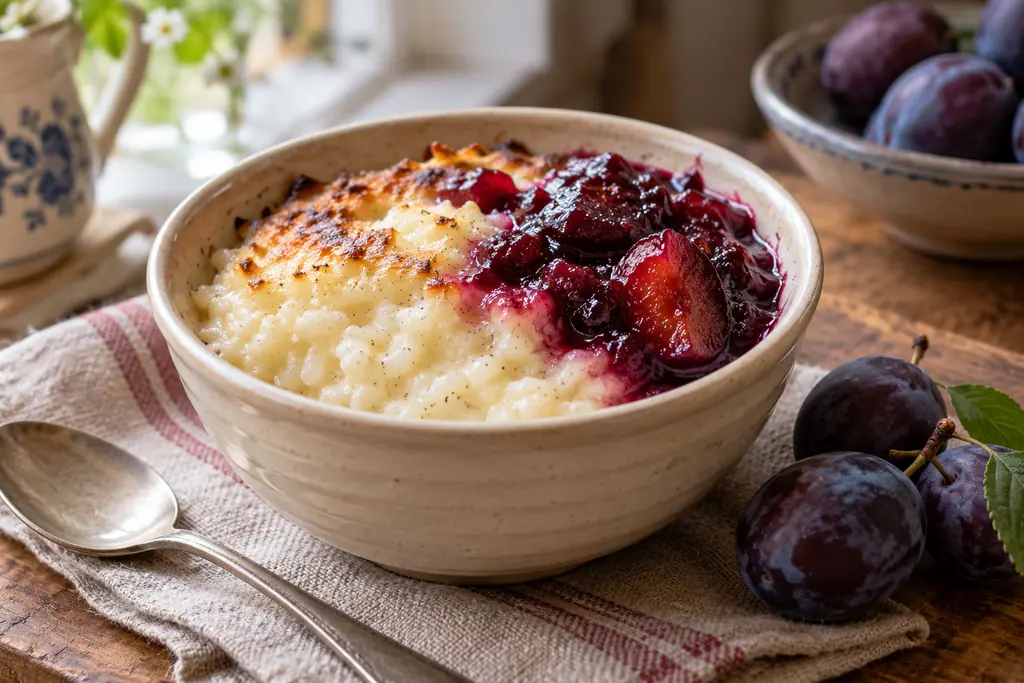
Slow-baked rice pudding is a comforting way to use a late-summer damson harvest. The fruit is cooked separately into a spoonable compote, then served over the creamy pudding so its sharpness stays distinct.

Slow-roasted tomatoes turn a summer glut into a rich, simple supper.

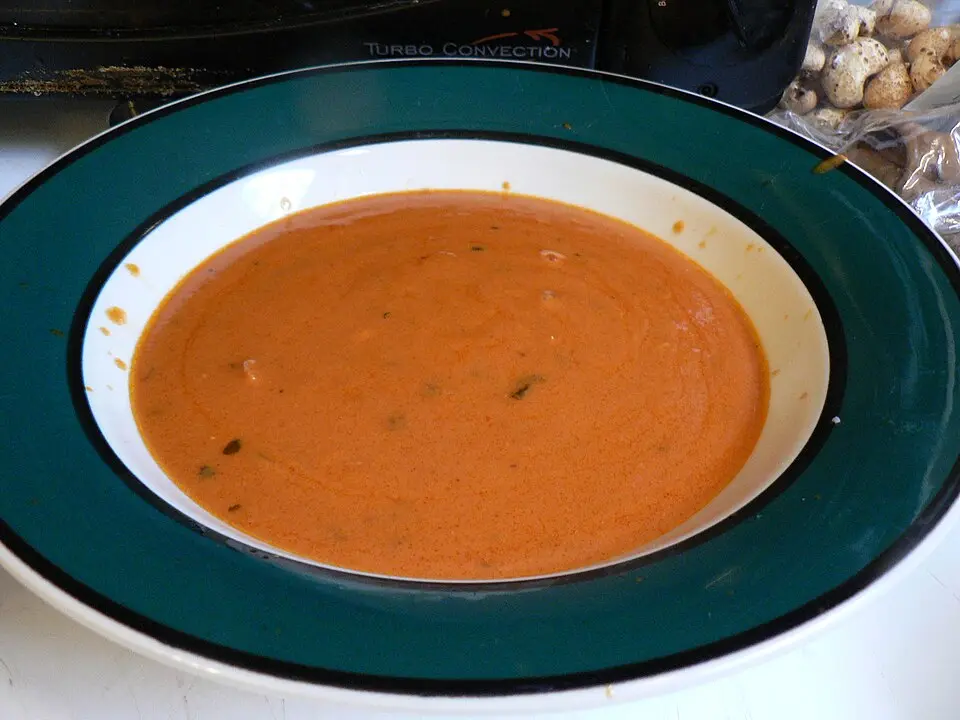
A bright soup for ripe tomatoes, with freezer-friendly leftovers.

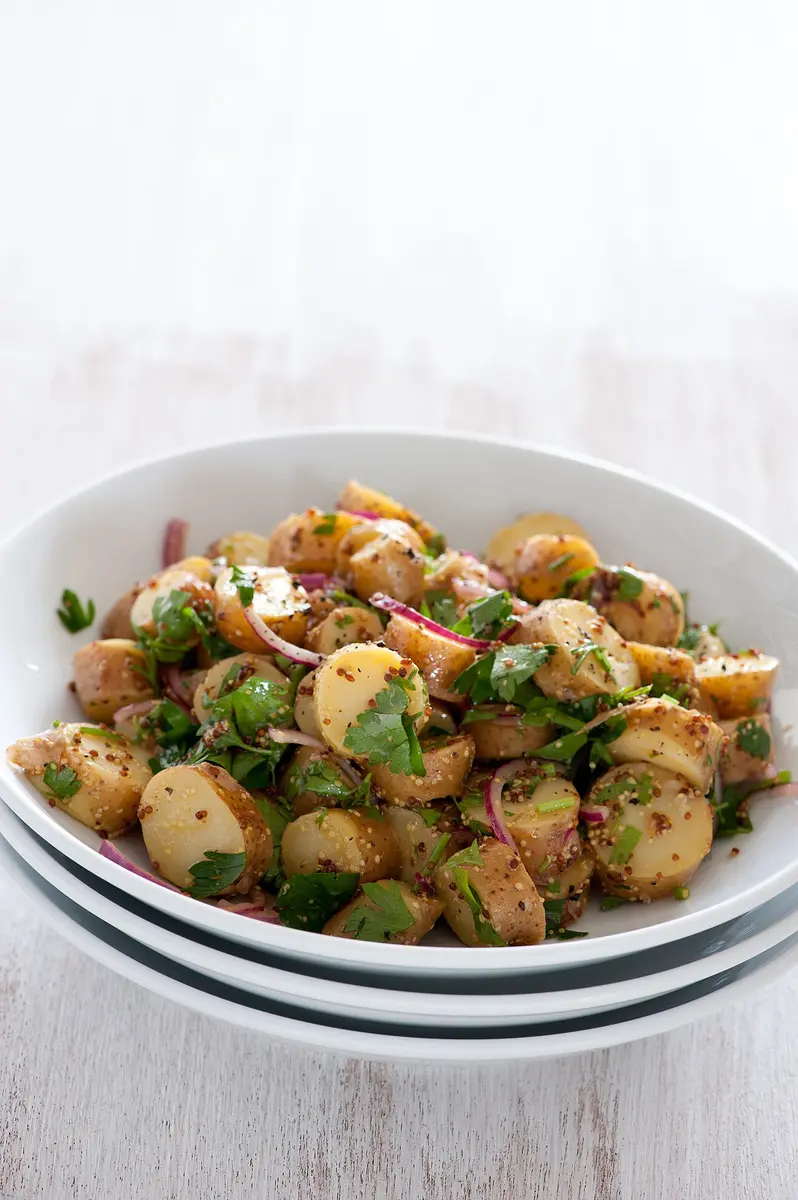
Fresh peas and mint make a lively dressing for tender potatoes.

These crisp-edged carrot and courgette fritters use a small harvest without needing a large batch of ingredients. Removing moisture from the grated vegetables is the key to fritters that hold together and brown instead of steaming.

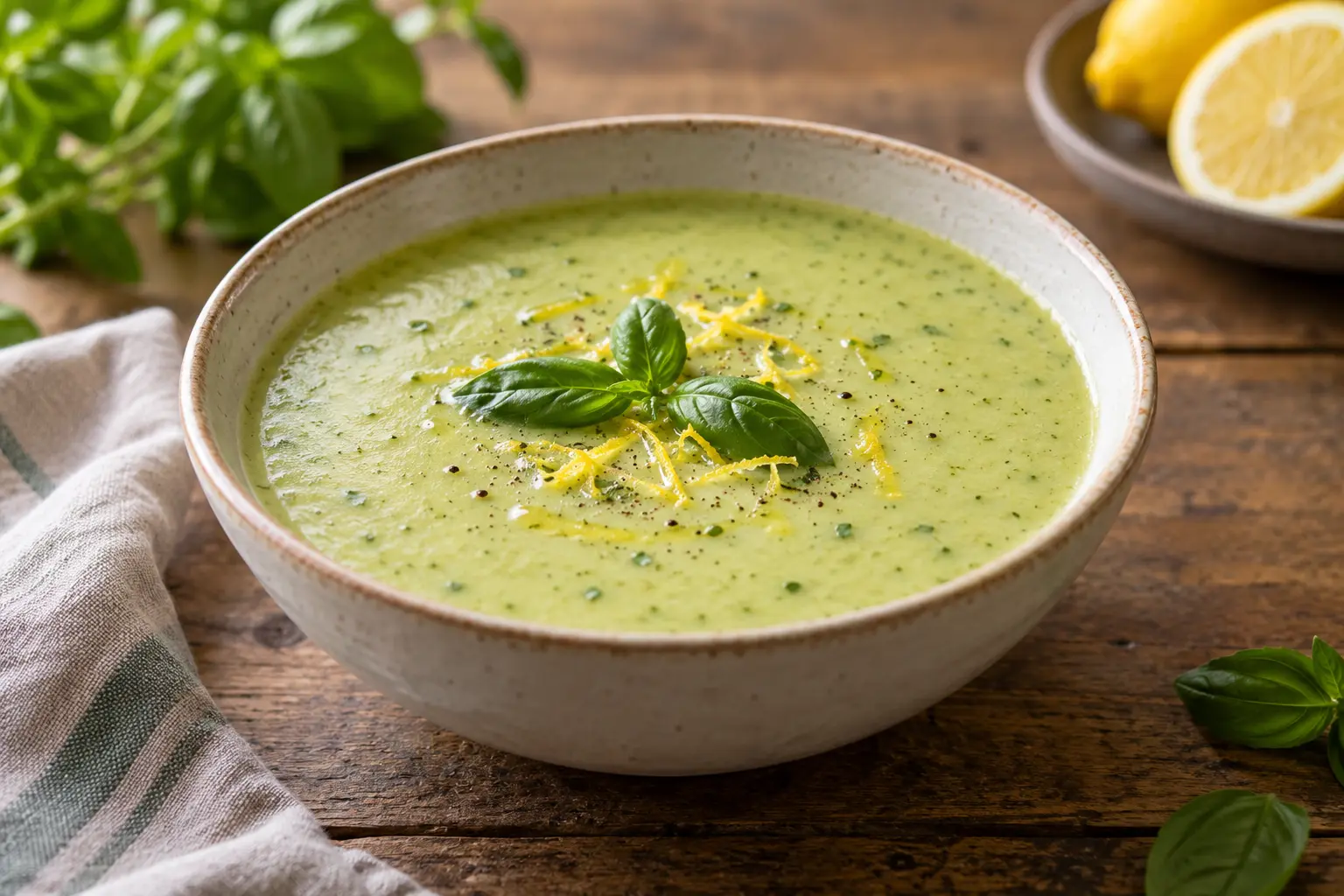
A light soup that makes the most of tender courgettes.

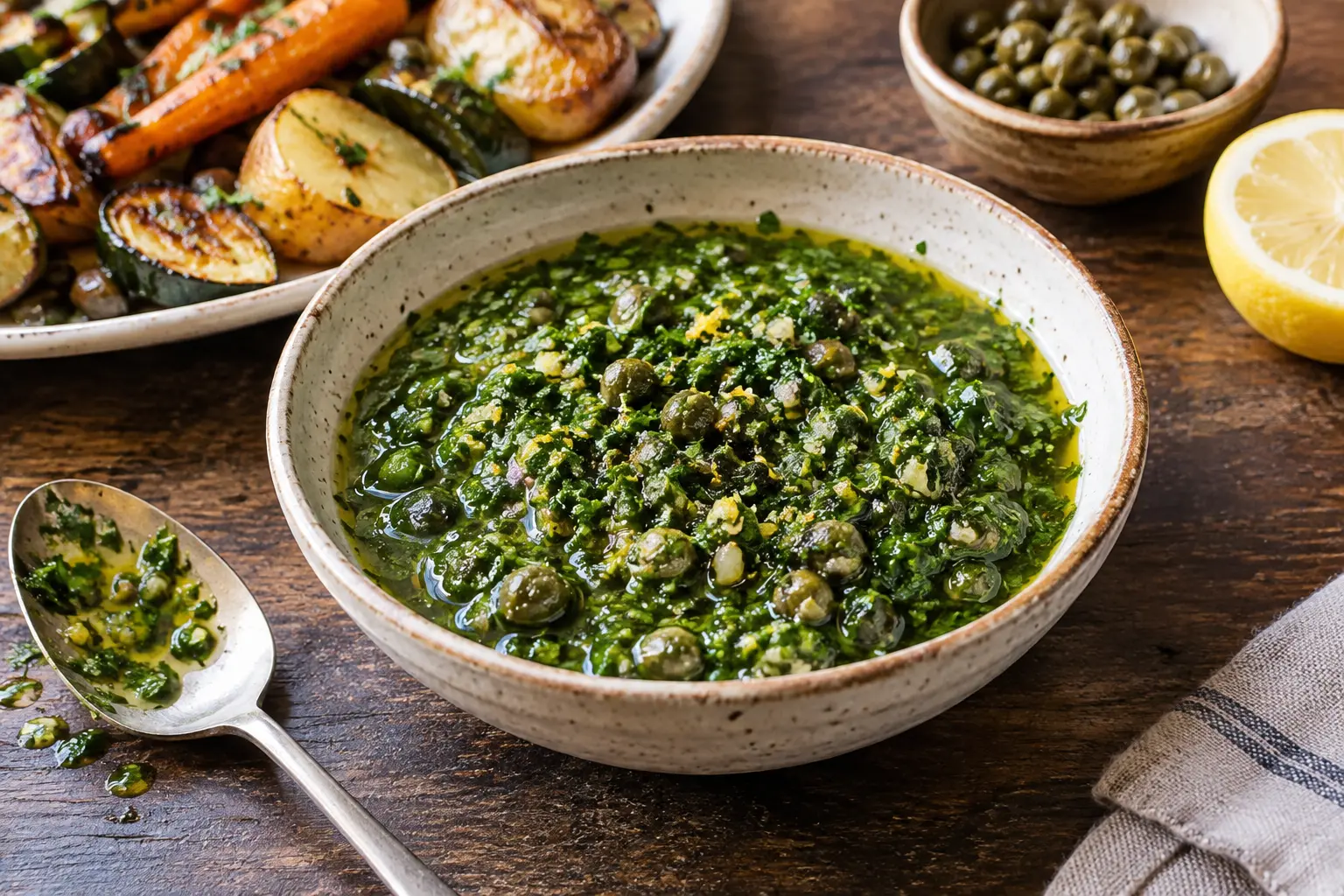
A punchy sauce for potatoes, beans, fish or grilled vegetables.

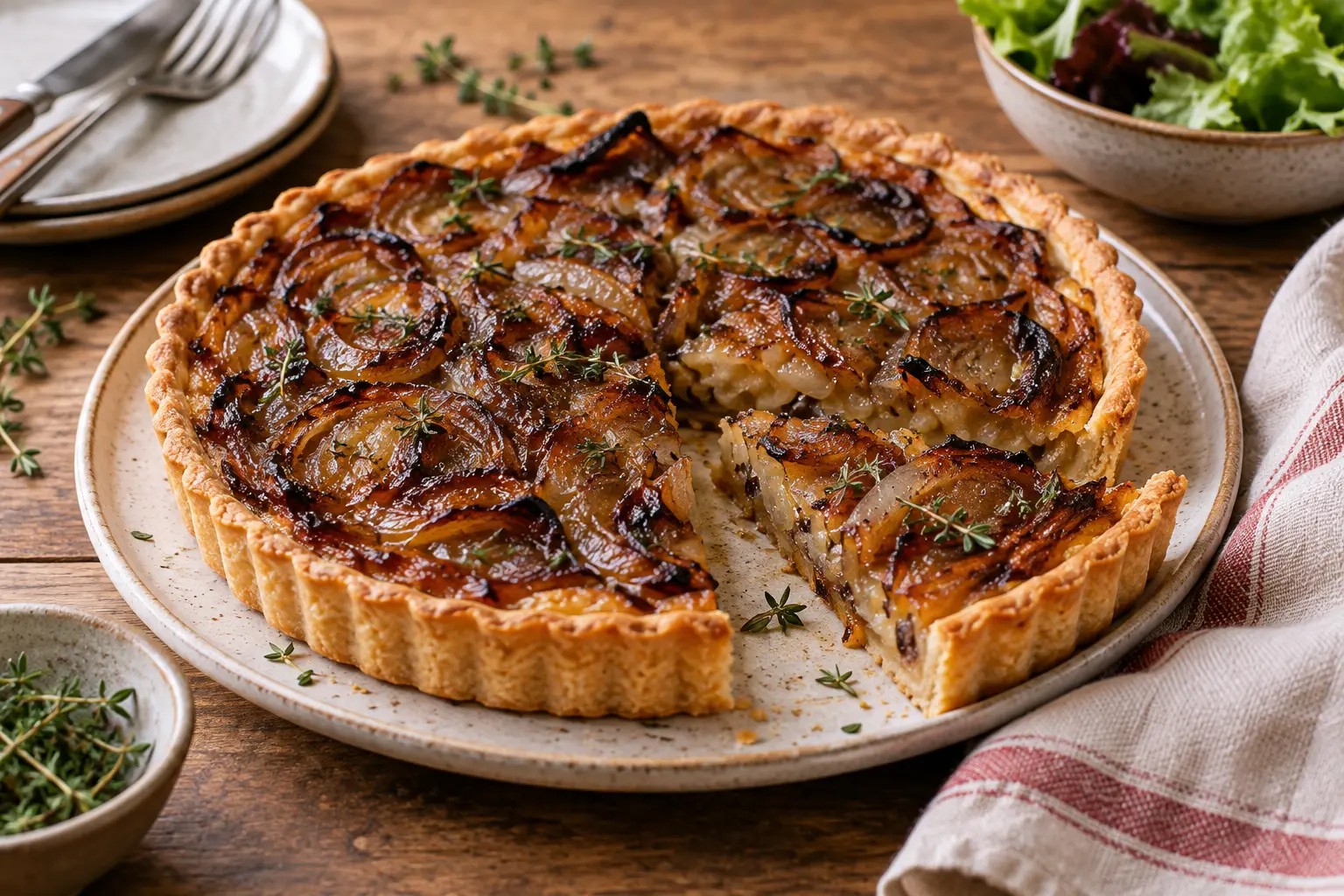
Slow-cooked onions make a savoury tart for a picnic or supper.

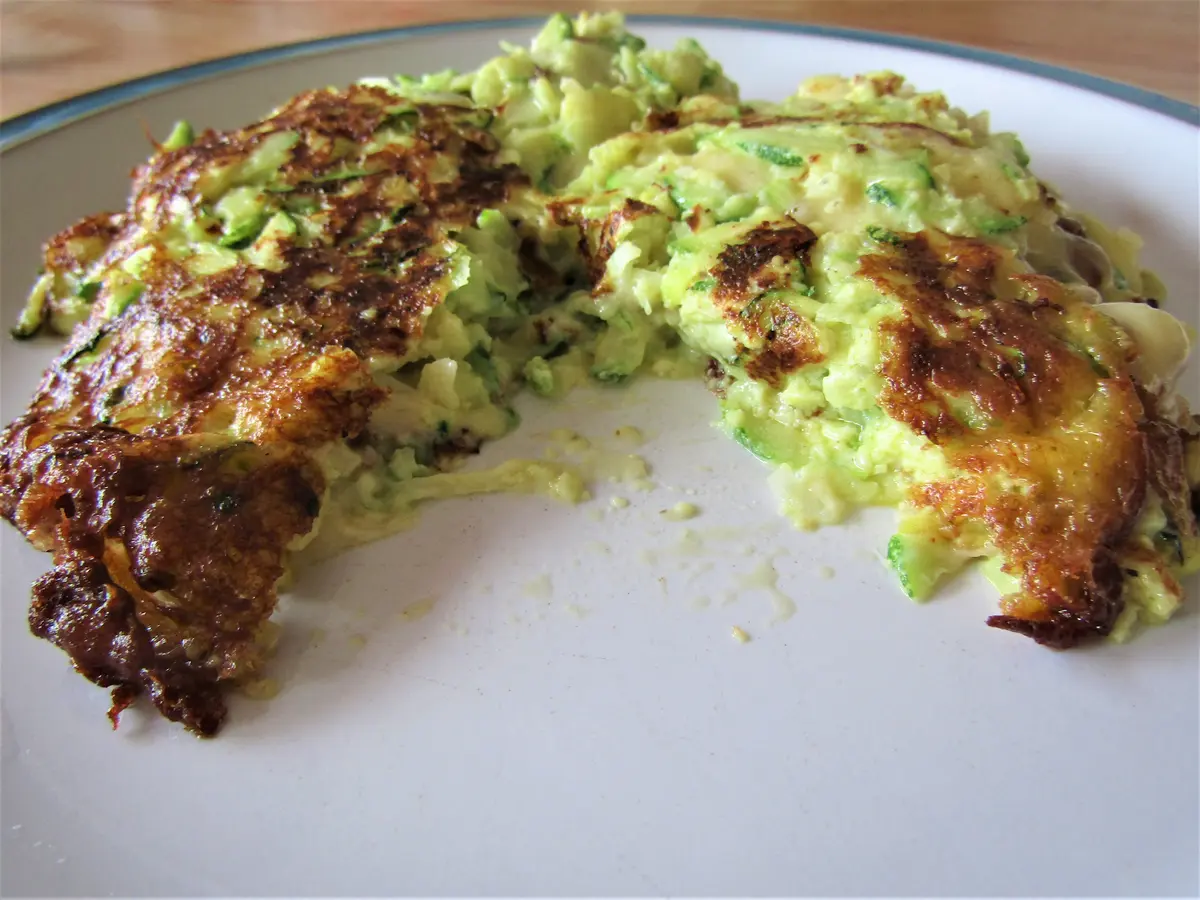
Crisp, savoury fritters that make a useful lunch from a courgette glut.

A bright, filling salad for the first summer harvests, with mint and salty feta.

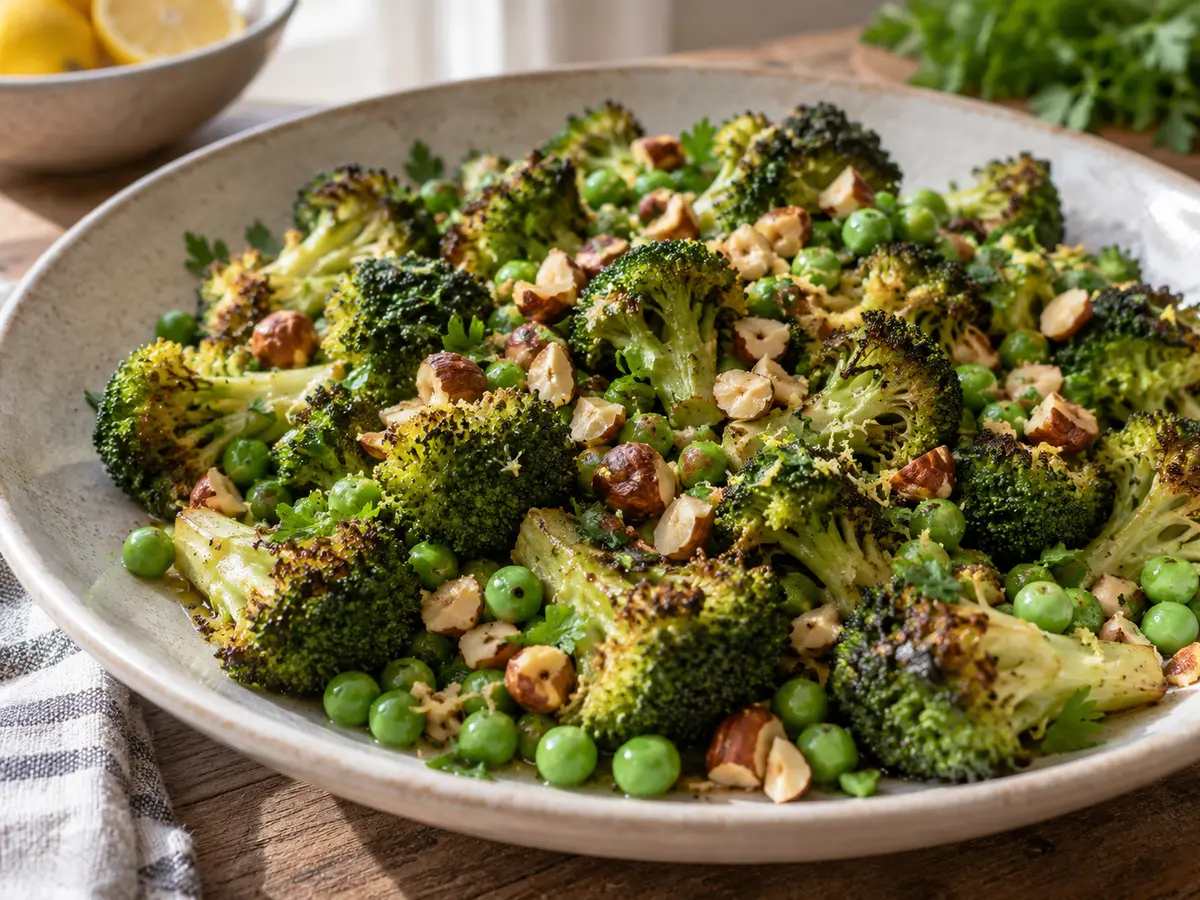
Hot-roasted broccoli brings smoky edges to sweet peas and toasted hazelnuts, finished with lemon and parsley while still warm.

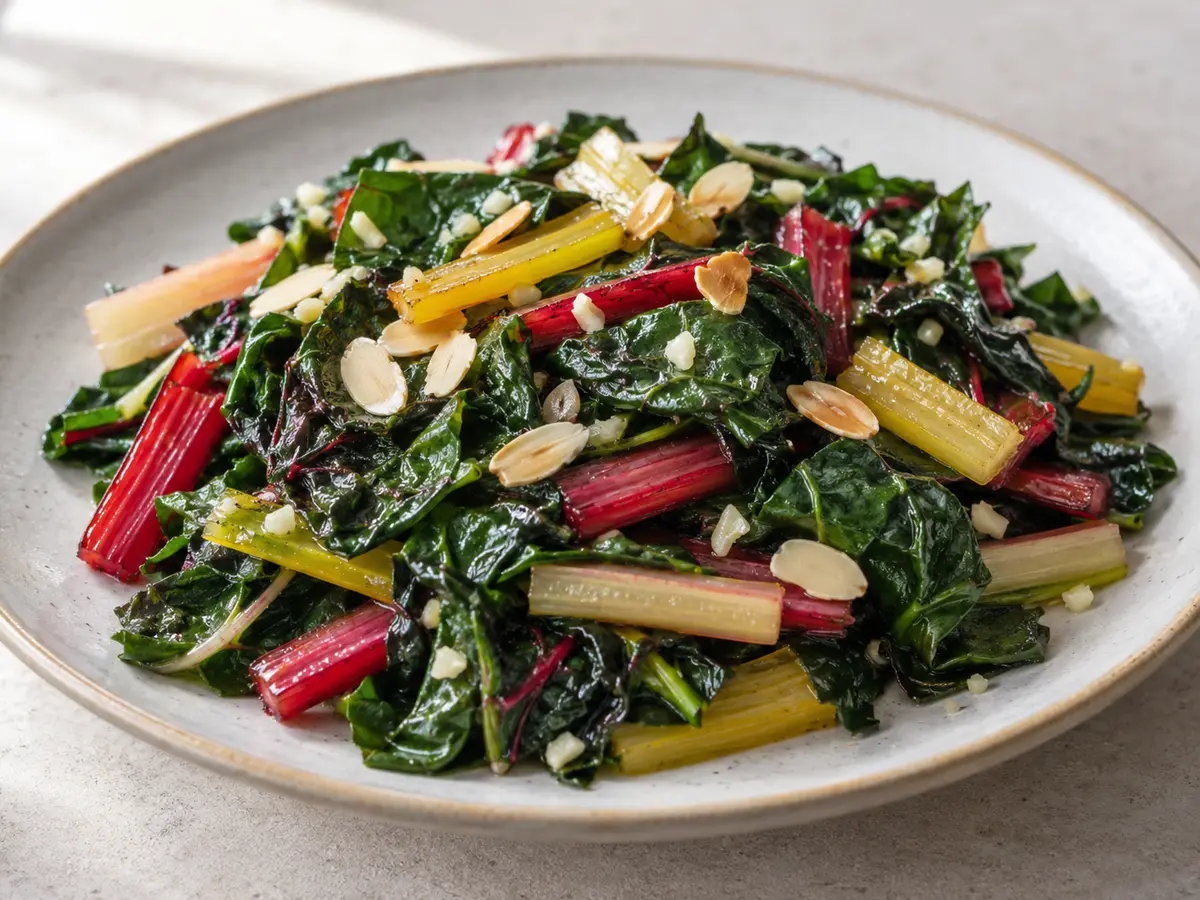
Use the whole chard bunch: the stems are sautéed until nearly tender before the leaves are wilted with garlic, lemon and toasted almonds.

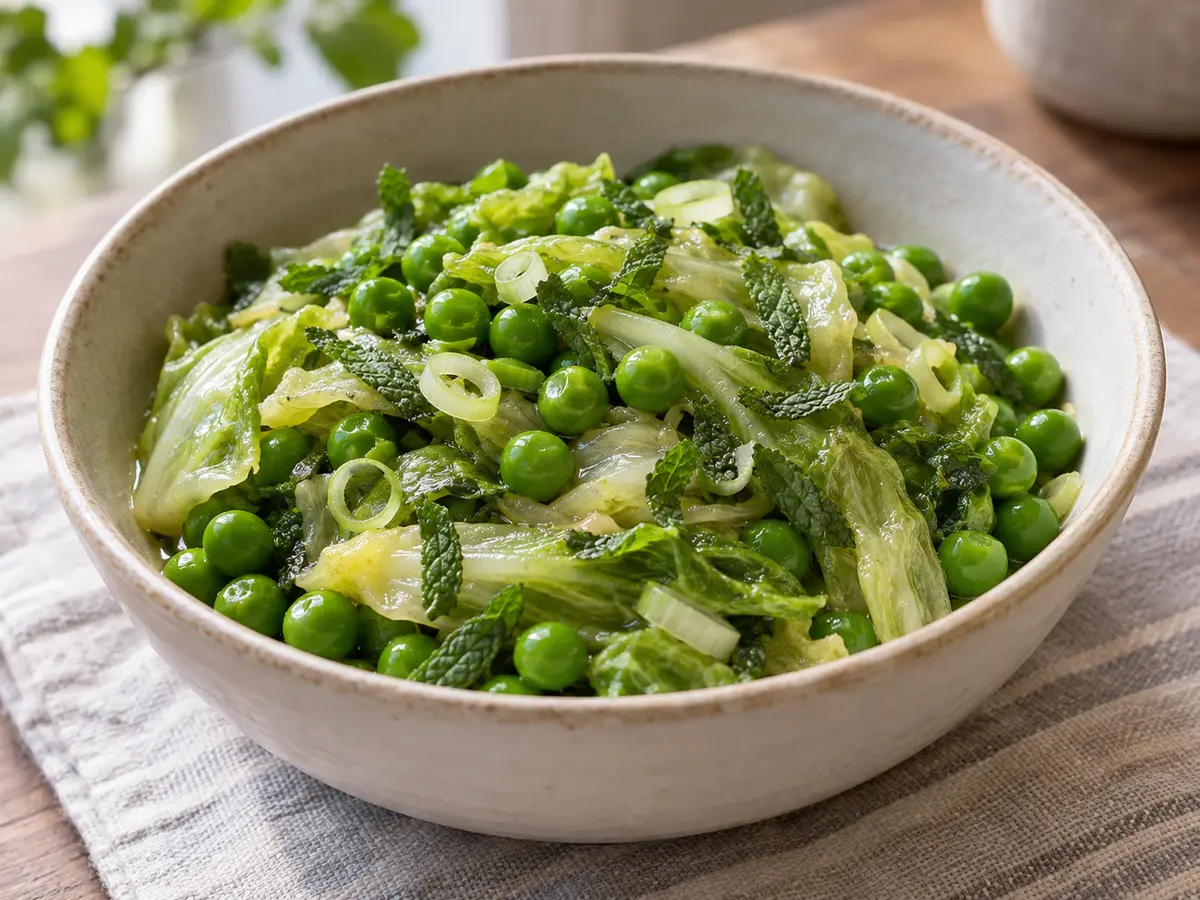
Sweet peas are gently cooked with spring onion and a little stock, then folded with soft lettuce and fresh mint for a classic warm side.

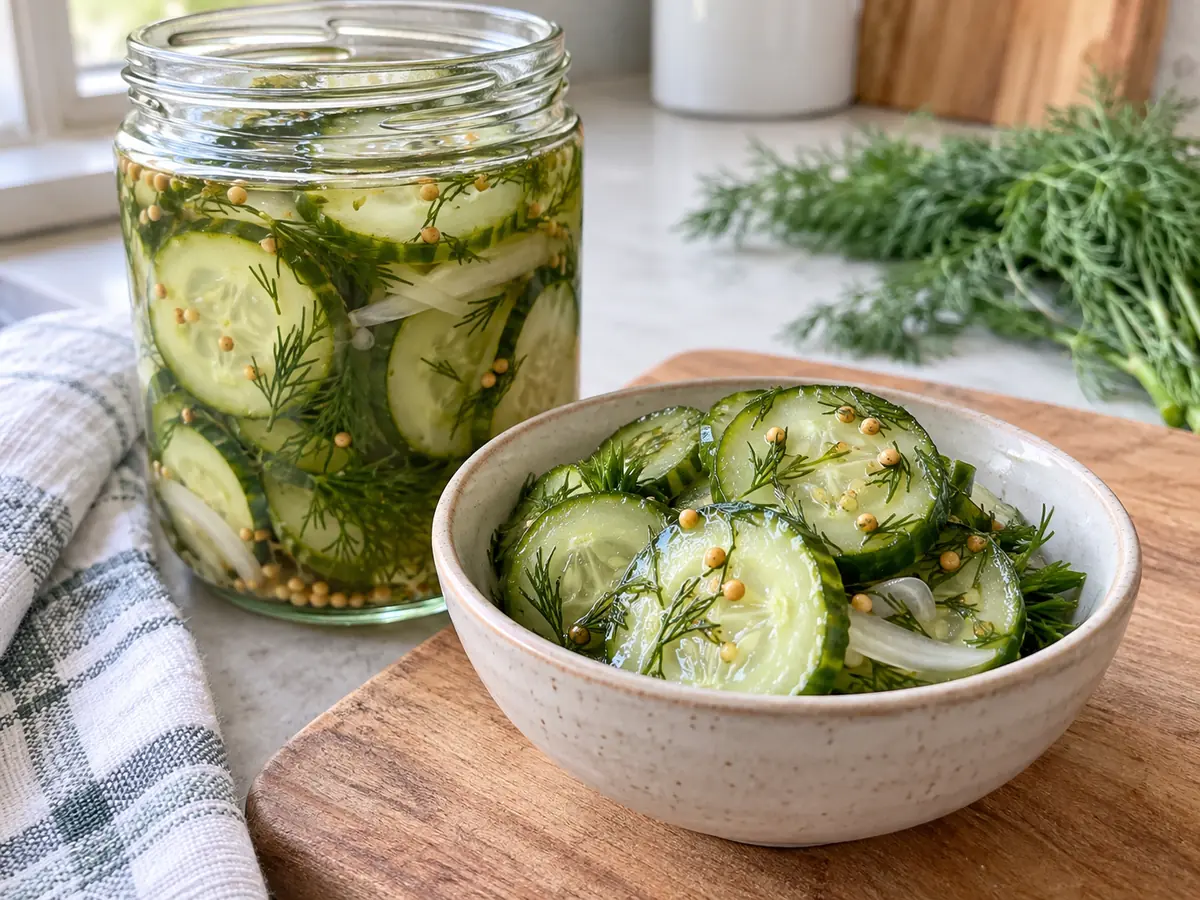
Cucumber slices take on dill, mustard seed and a sharp-sweet brine after a night in the fridge. These are quick refrigerator pickles, not shelf-stable preserves.

A crisp-topped, marshmallow-soft meringue wraps around softly whipped cream and sharp redcurrants. Cooling the meringue before filling makes it easier to roll without squeezing out the centre.

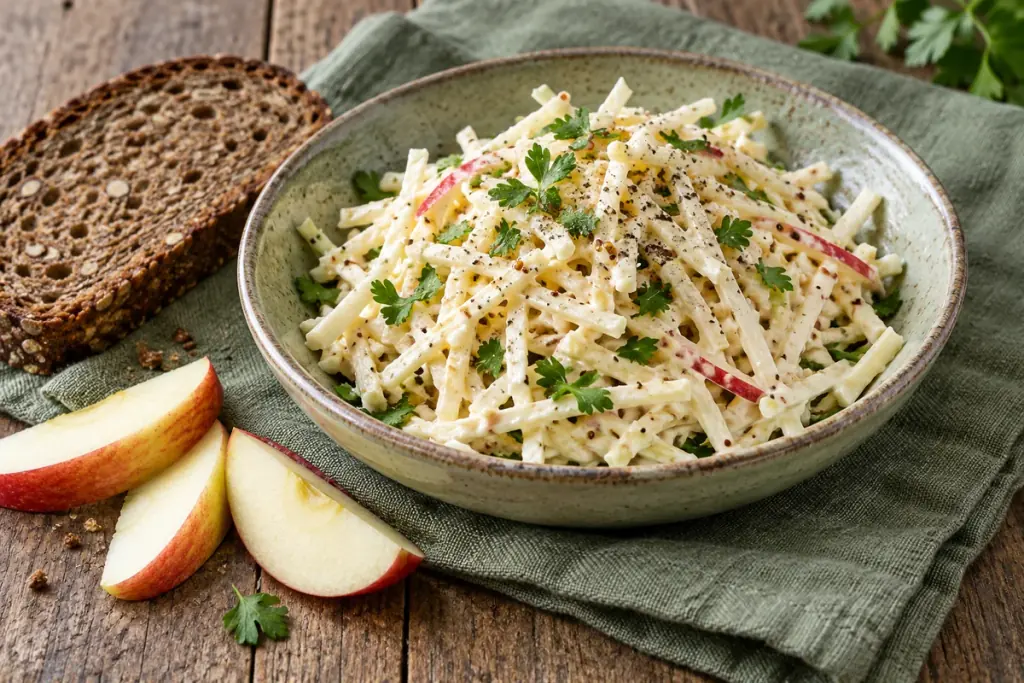
Crisp celeriac and tart apple make a quick, fresh allotment slaw. A light mustard dressing adds bite without hiding the clean flavour of the roots.

A familiar British bread pudding gets a tart, seasonal layer of rhubarb. Slightly stale bread absorbs the custard well, while a short soak before baking helps the middle set softly without leaving dry patches.

A no-churn ice cream turns a small strawberry and rhubarb harvest into a make-ahead summer dessert. Cook the fruit down to a thick compote and cool it completely before folding it through the cream mixture to avoid icy streaks.

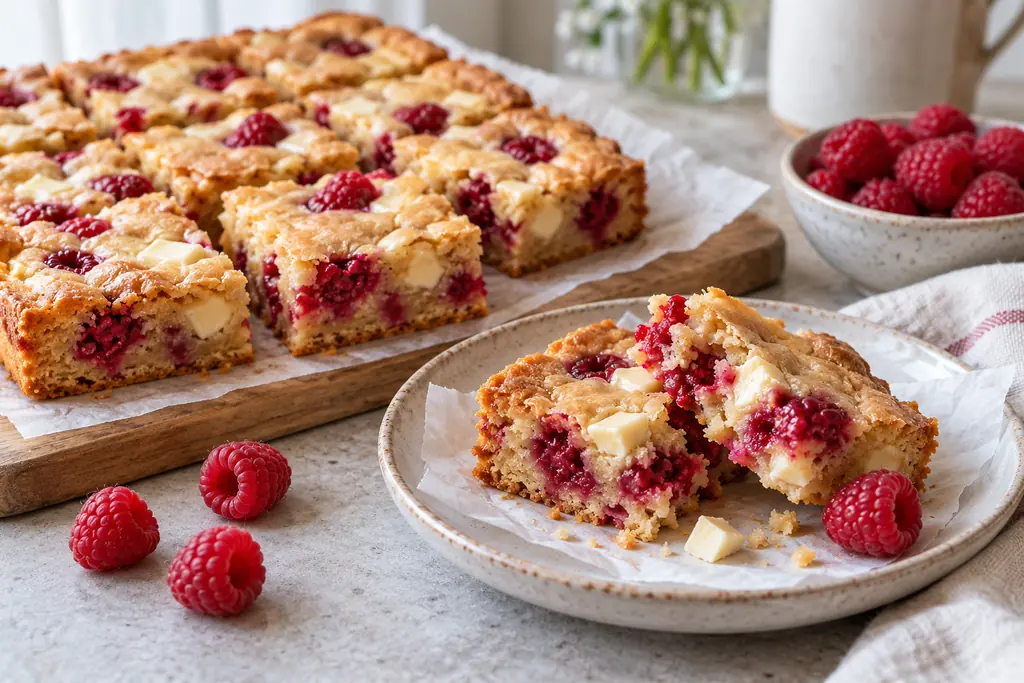
Chewy blondies are a practical bake for a handful of fresh or frozen raspberries. White chocolate softens the berries’ sharpness; cooling the slab fully before cutting keeps the squares neat.

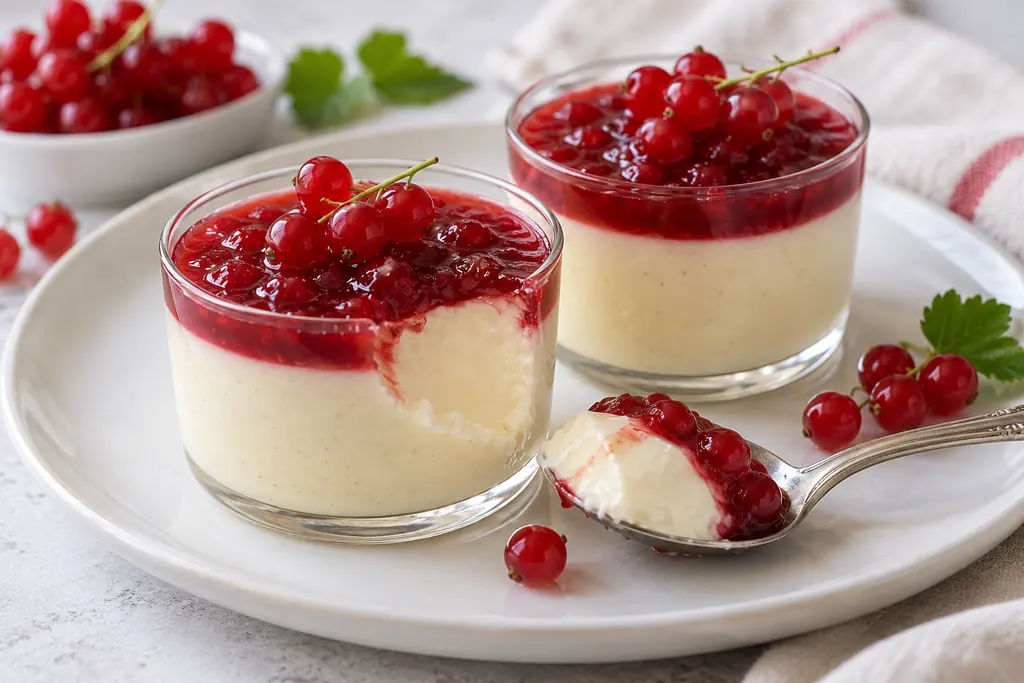
Silky vanilla panna cotta is topped with a tart redcurrant compote that makes good use of a small currant harvest. This version uses gelatine for its set, so it is not suitable for vegetarians who avoid gelatine; see the substitution note before choosing an alternative.

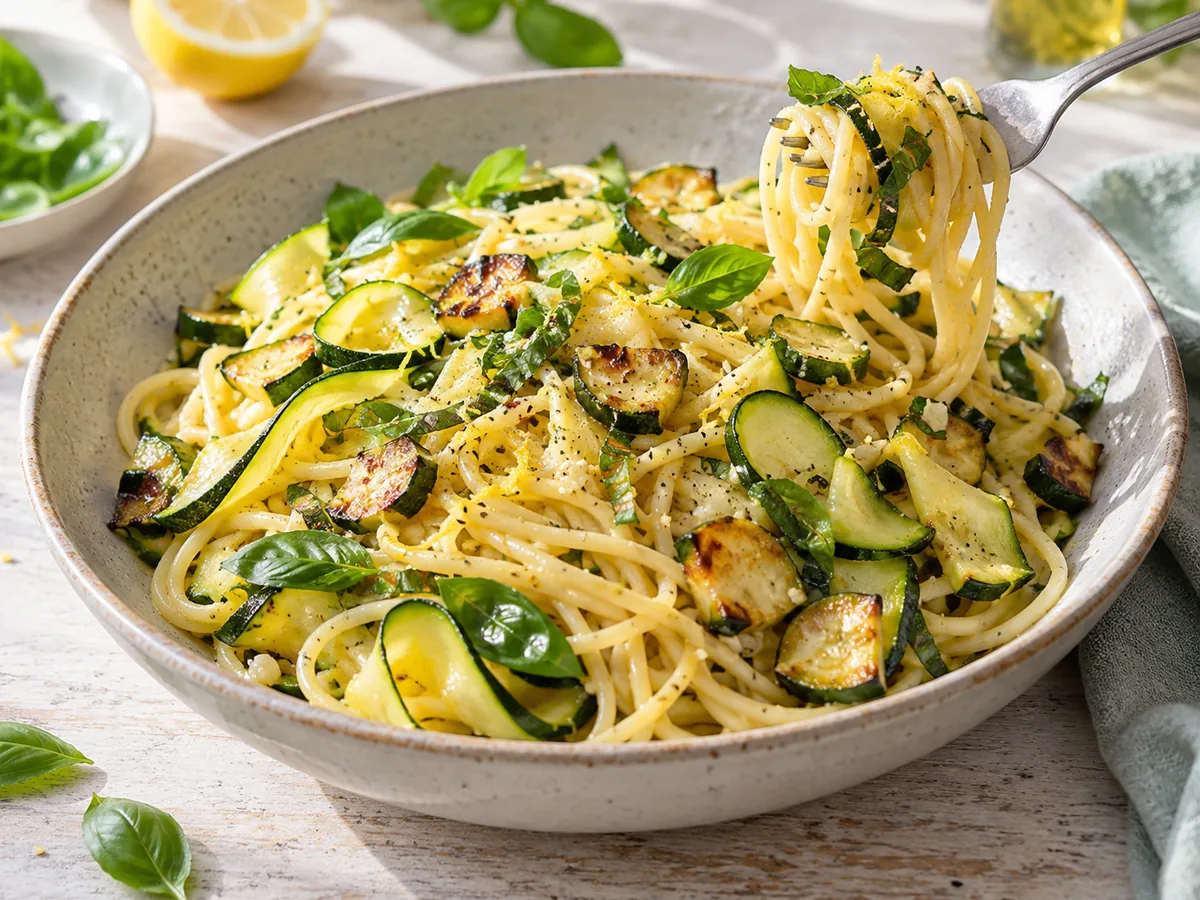
Quickly seared courgettes, lemon and fresh basil turn a summer glut into a bright, silky pasta supper. Starchy pasta water makes the light olive-oil sauce cling without cream or cheese.

Roasting carrots concentrates their sweetness and gives this hummus a mellow, earthy flavour. It is a useful way to use small or irregular allotment carrots and makes a substantial dip for lunches, picnics and sharing plates.

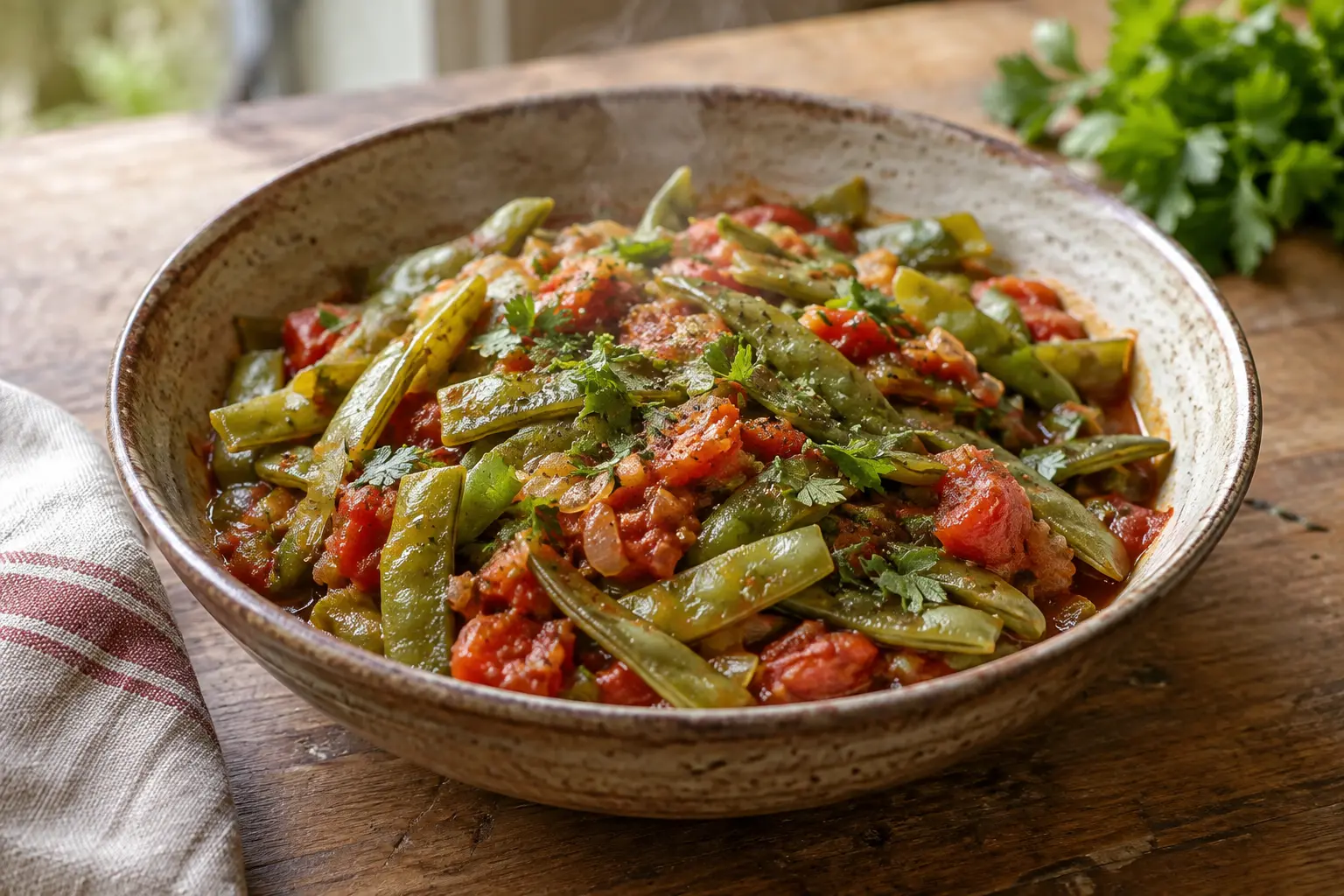
Runner beans become tender and savoury when simmered slowly with ripe tomatoes, onion and oregano. This simple one-pot stew makes good use of a summer bean glut and is substantial enough to serve with bread or potatoes.

Earthy roasted beetroot, crisp apple and salty feta make a colourful salad that balances sweet, sharp and savoury flavours. Roasting whole roots keeps them moist; add the dressing just before serving to keep the leaves lively.

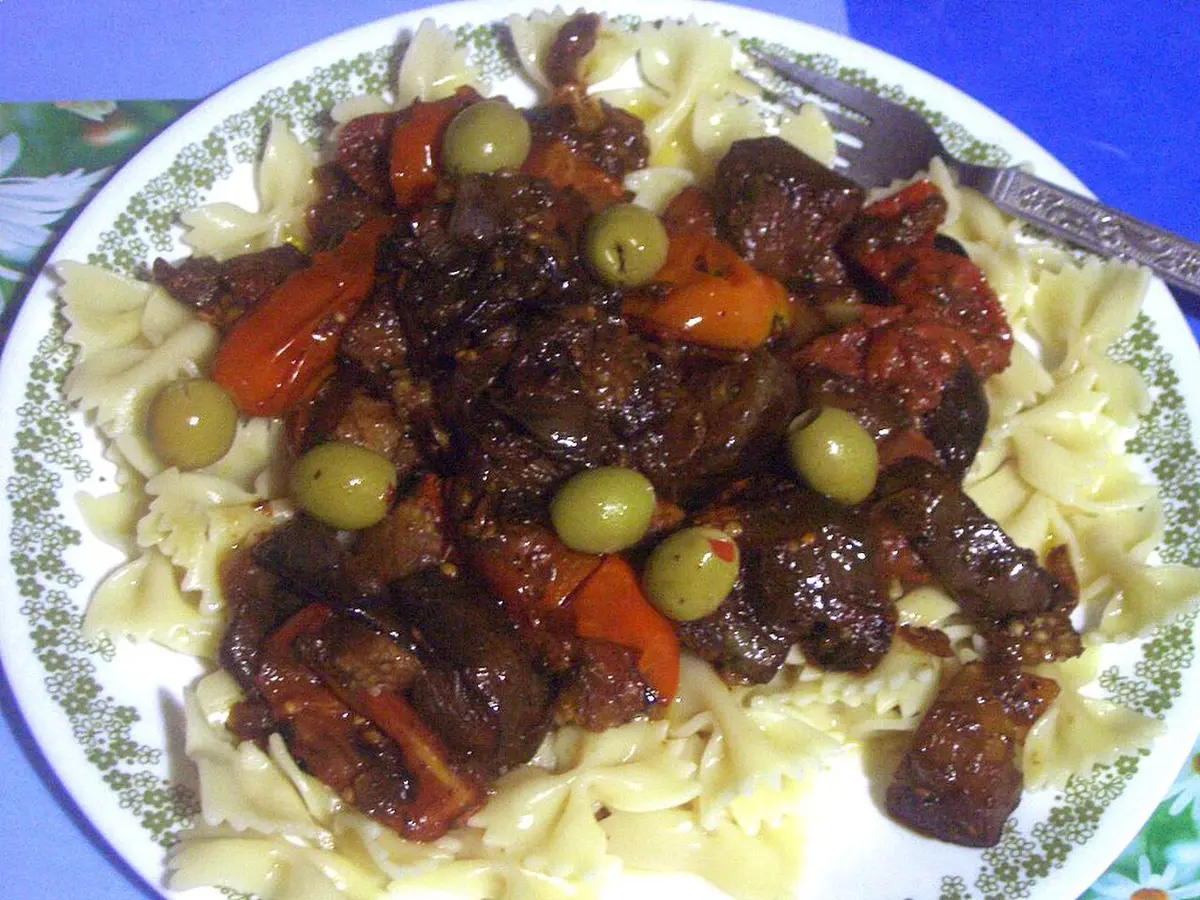
This sweet-sour aubergine caponata is a generous way to use summer aubergines and ripe tomatoes. Browning the aubergine separately gives it a silky centre and golden edges before it simmers briefly in the tangy tomato sauce.

Tart allotment apples and juicy blackberries sit under a crisp oat crumble. A little lemon keeps the fruit bright, while cornflour catches excess juice so the filling sets instead of turning watery.

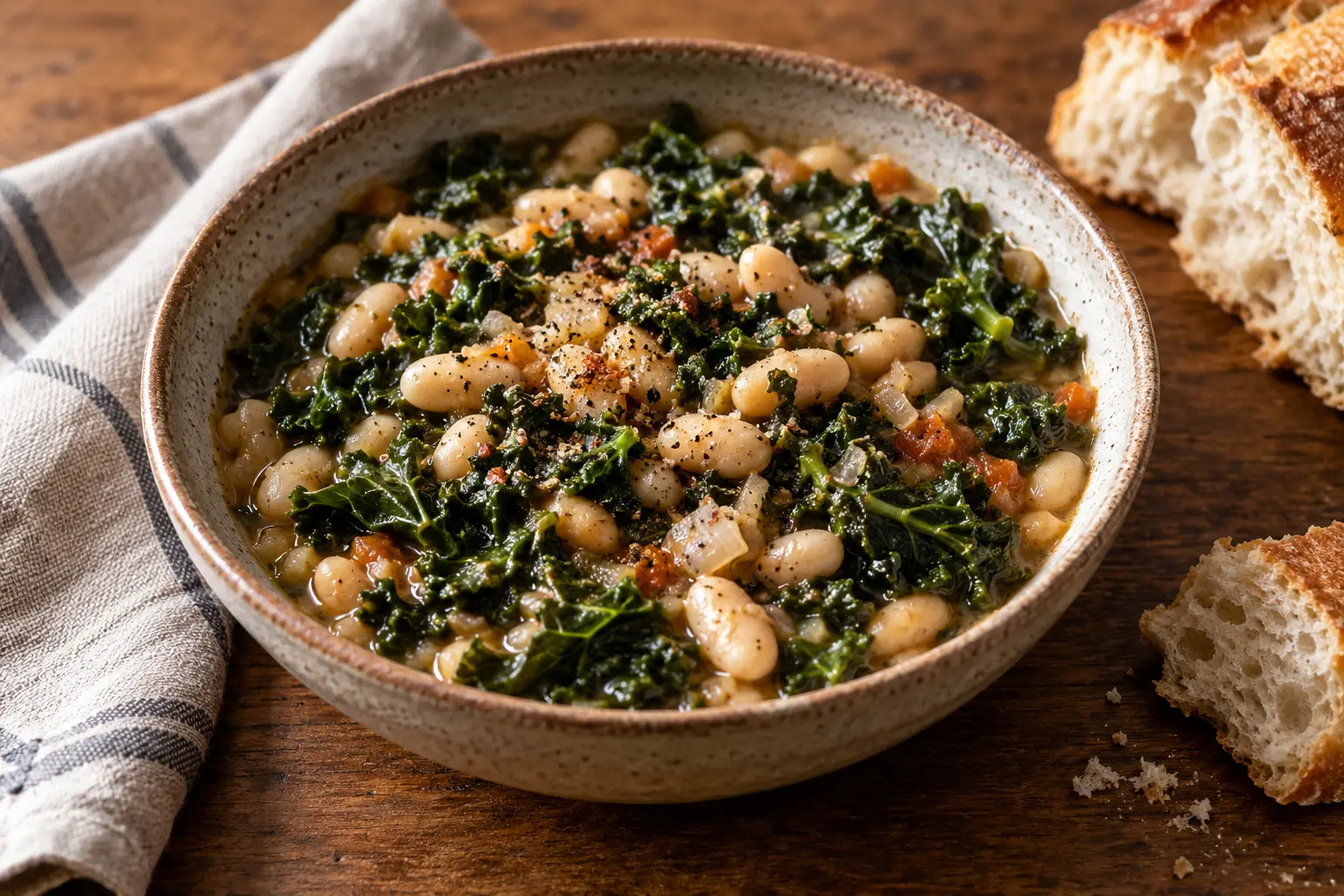
A hearty cool-weather bowl using sturdy kale and store-cupboard beans.

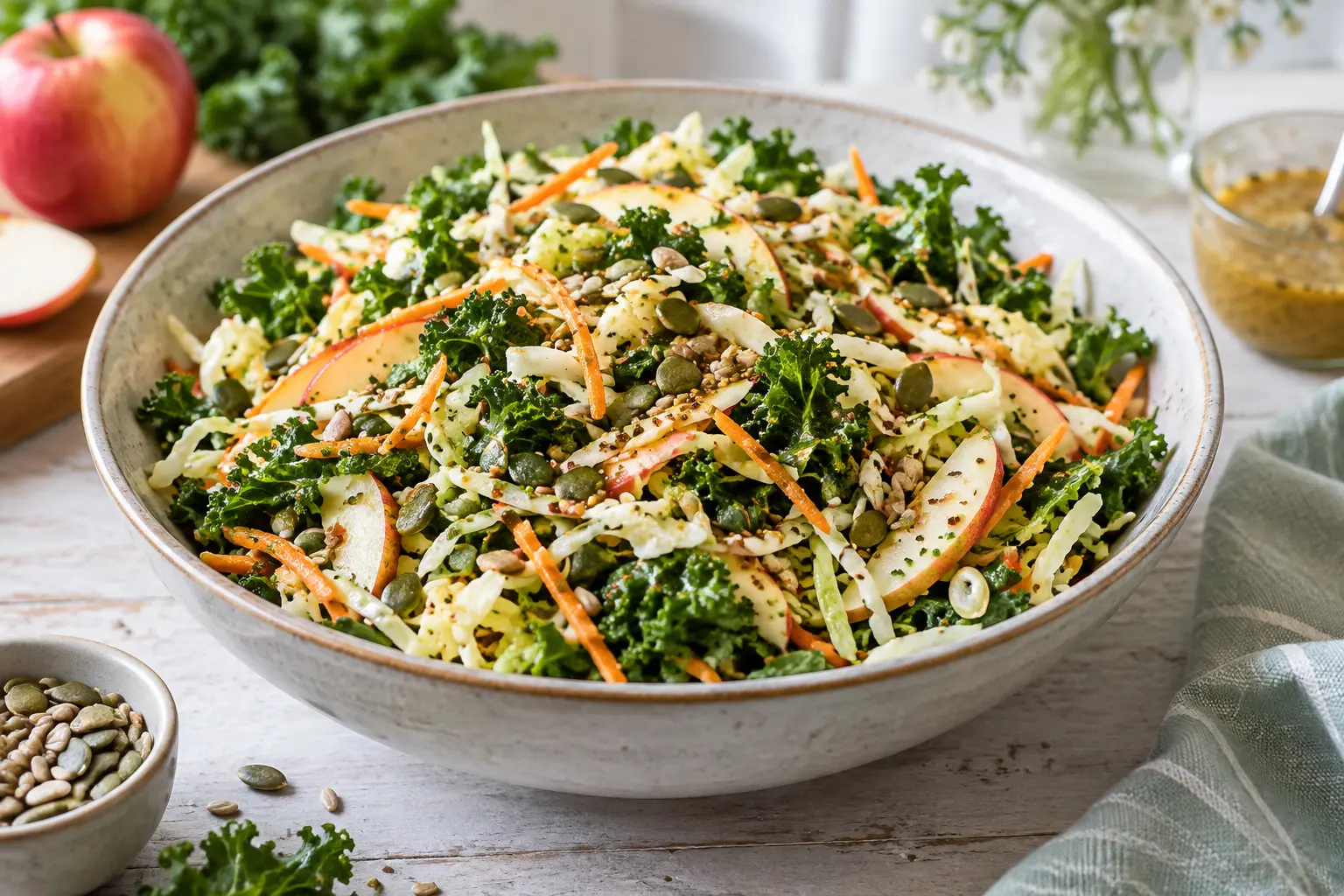
A crisp slaw for cabbage, kale, kohlrabi or broccoli stems.

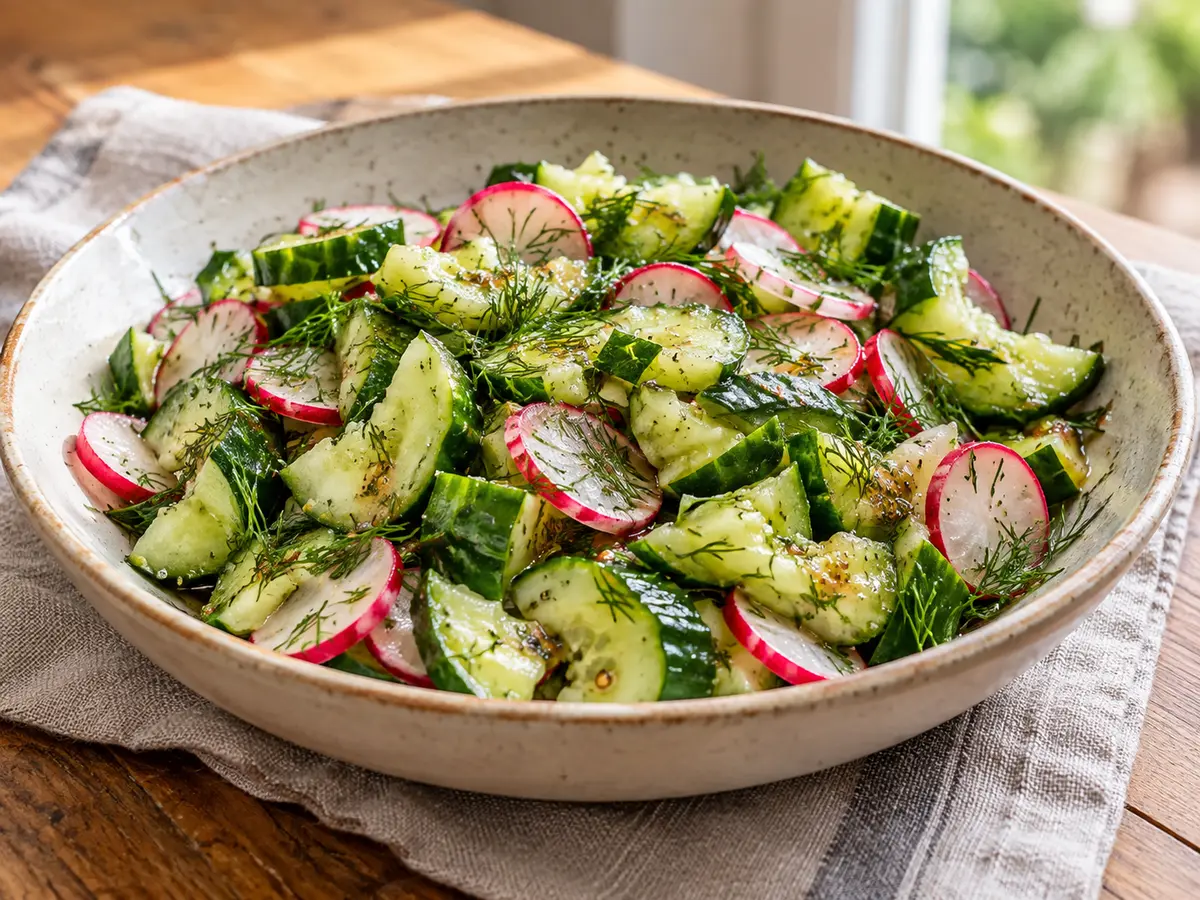
Lightly crushed cucumber and crisp radishes take up a sharp mustard-and-dill dressing for a fresh side that is best served straight away.

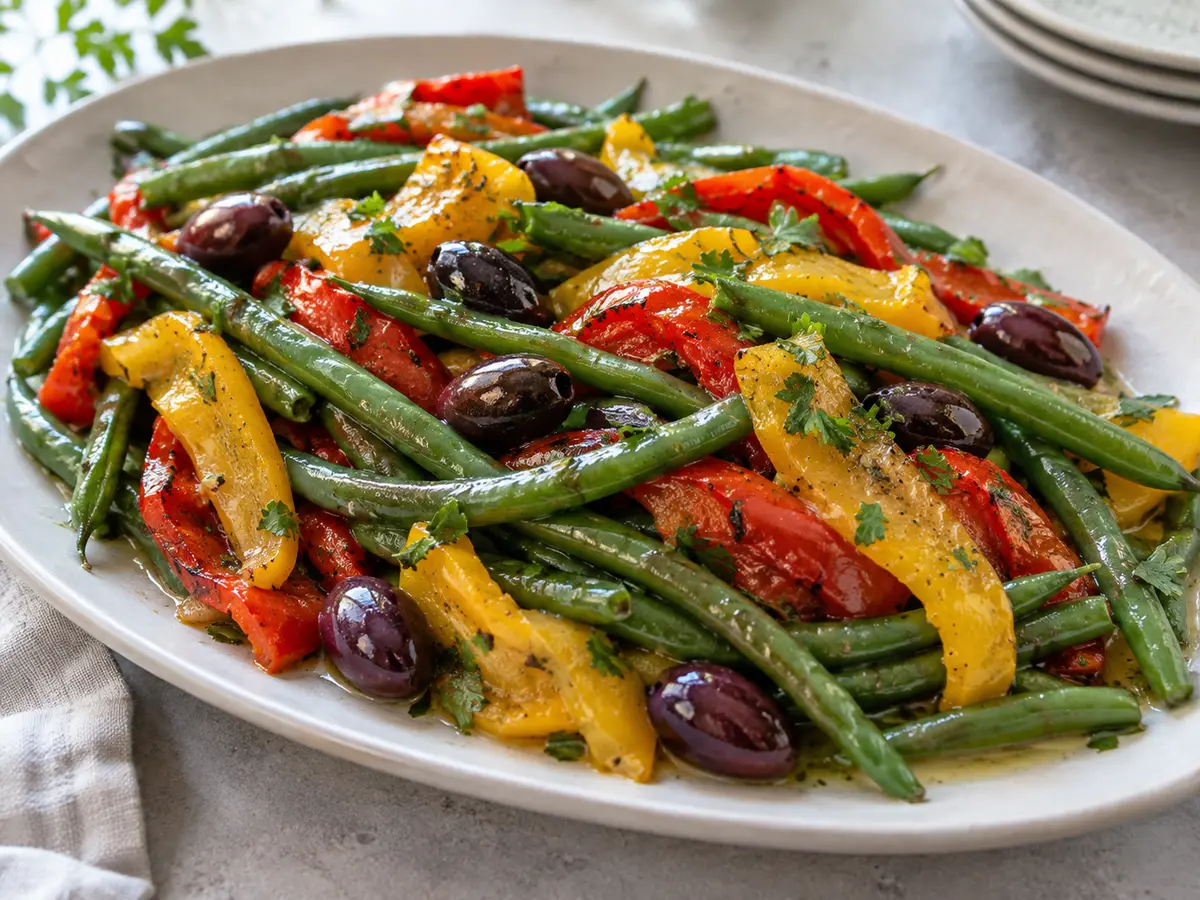
Tender-crisp French beans are paired with sweet roasted peppers and briny olives in a lemon dressing; a short rest lets the flavours settle.

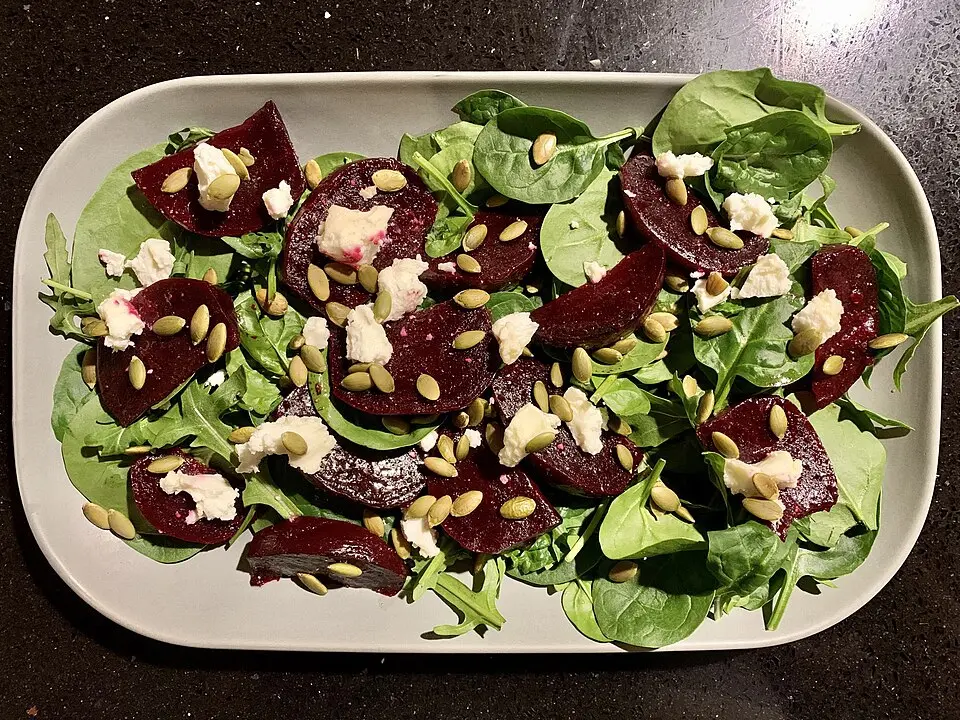
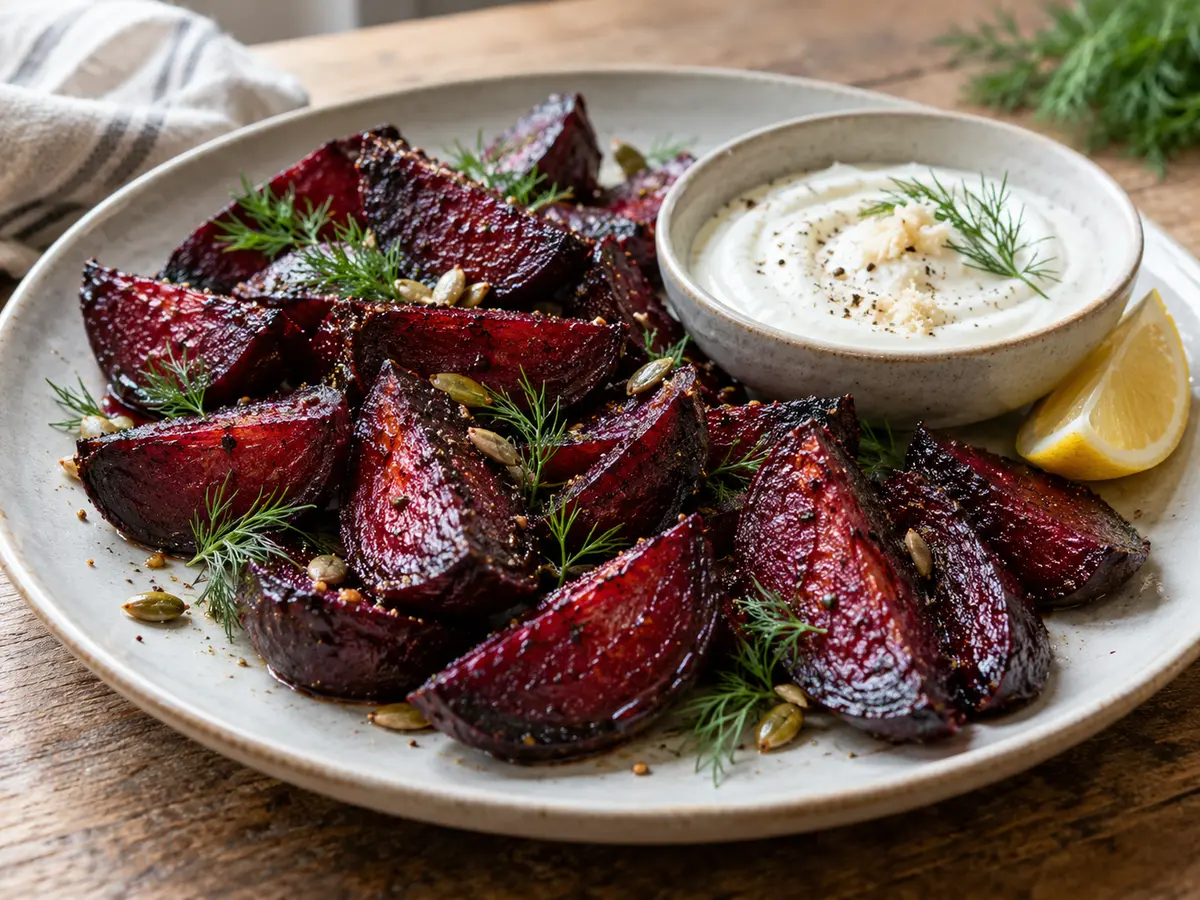
Earthy beetroot is roasted until tender and served warm with sharp horseradish yoghurt, lemon, dill and a little crunch from pumpkin seeds.

Grated parsnip keeps these savoury scones moist, while mature vegetarian cheddar and thyme give them a strong, savoury flavour.

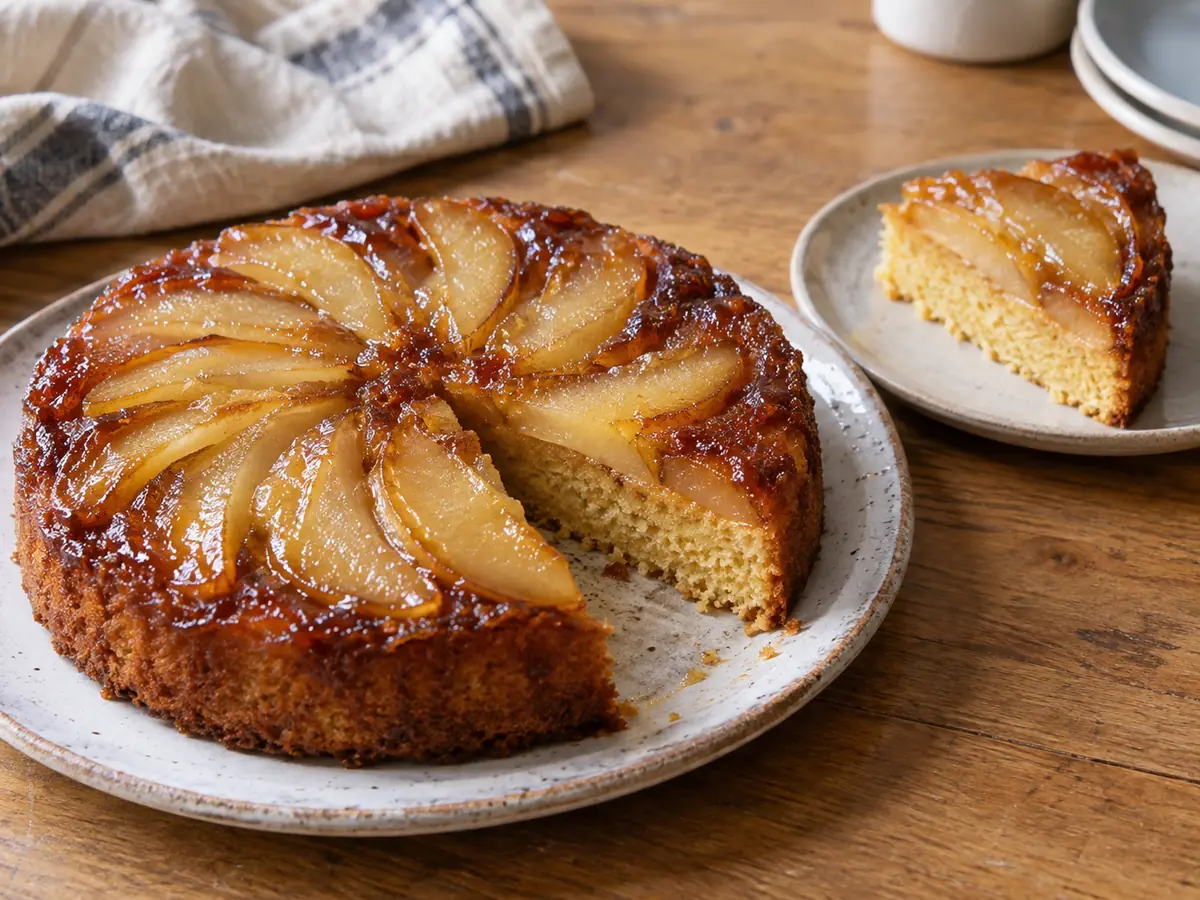
Ripe pears soften into a buttery top layer above a ginger-scented sponge. A short rest before turning the cake helps the fruit settle and release cleanly from the tin.

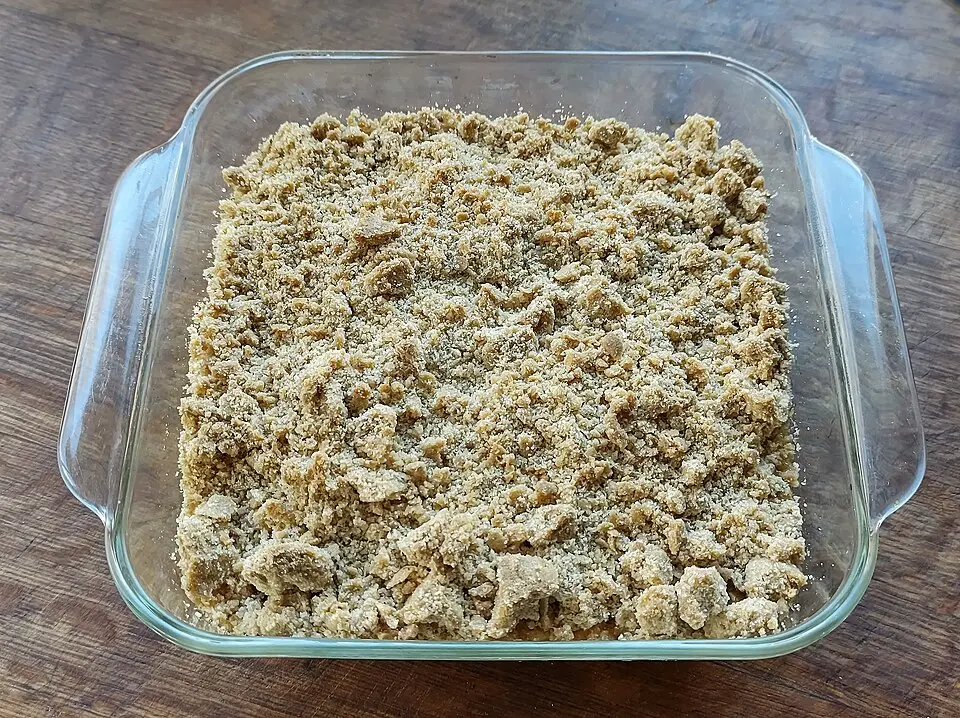
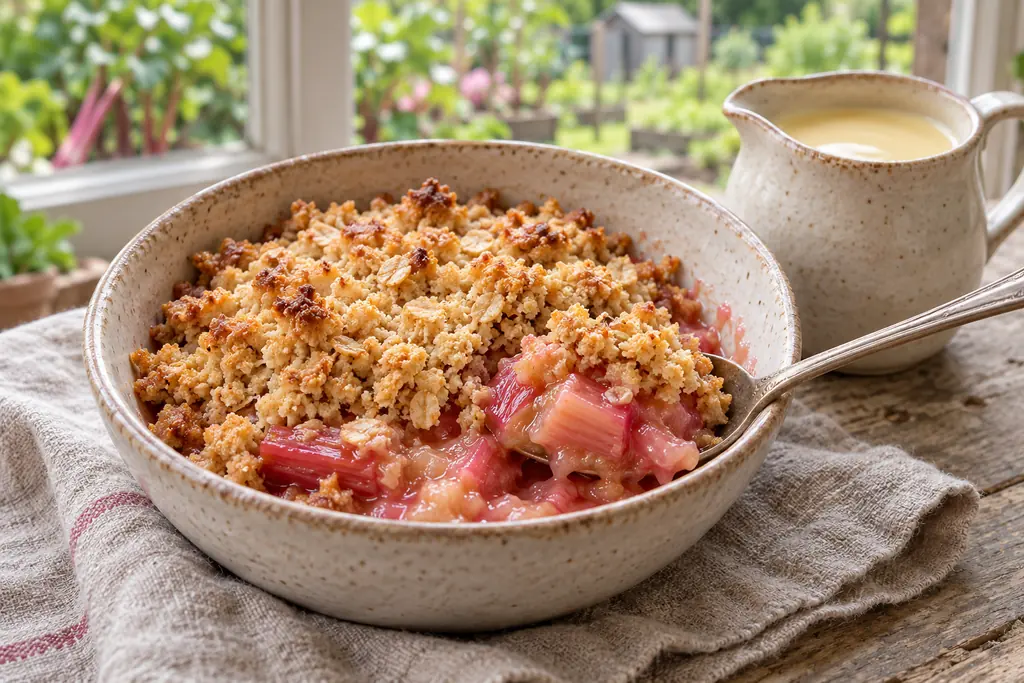
Tart allotment rhubarb softens under a crisp oat crumble. A little ginger warms the fruit, while cornflour helps the juices thicken as it bakes.

Tender, lightly sweet shortcakes are split and filled with fresh strawberries and whipped plant cream. Keep the biscuits and filling separate until just before serving for the best texture.

These easy plant-based muffins use fresh or frozen blueberries and a simple one-bowl batter. A short rest in the tin helps them set before they are moved to a rack.

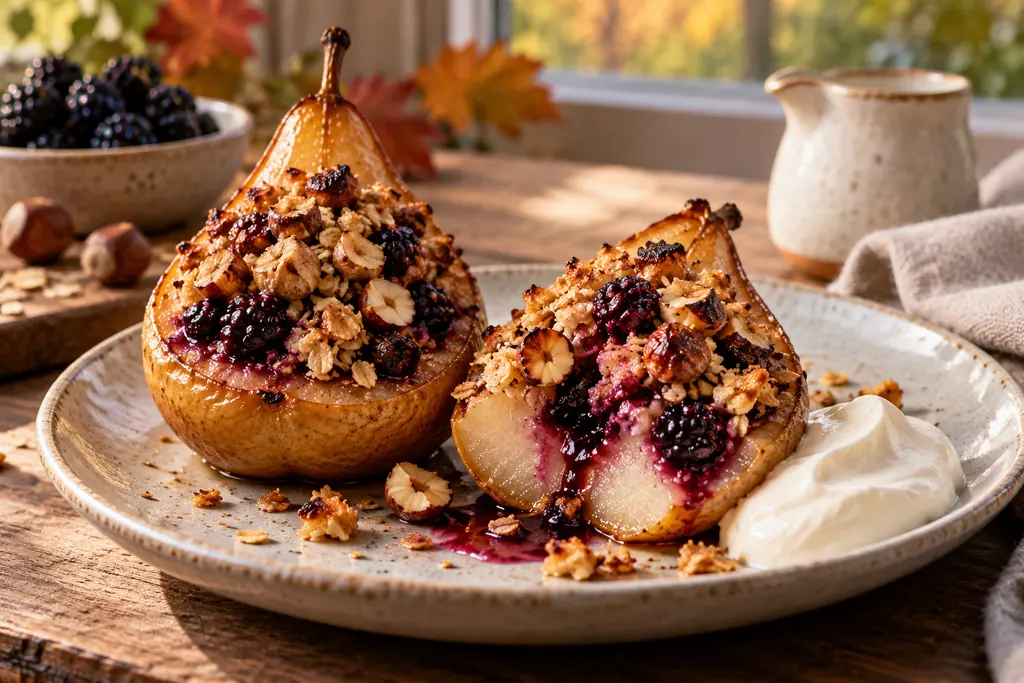
Firm allotment pears bake until tender with a spoonful of blackberry, hazelnut and oat filling. The pears make individual portions and the juices form a simple fruit sauce in the dish.

A no-bake cheesecake balances rich cream cheese with a sharp blackcurrant topping. The fruit is cooked separately and cooled before spooning over the filling, so the layers stay distinct.

Finely grated parsnip brings gentle sweetness and moisture to this warmly spiced square cake. Orange zest in the icing keeps the finish bright without hiding the flavour of the roots.

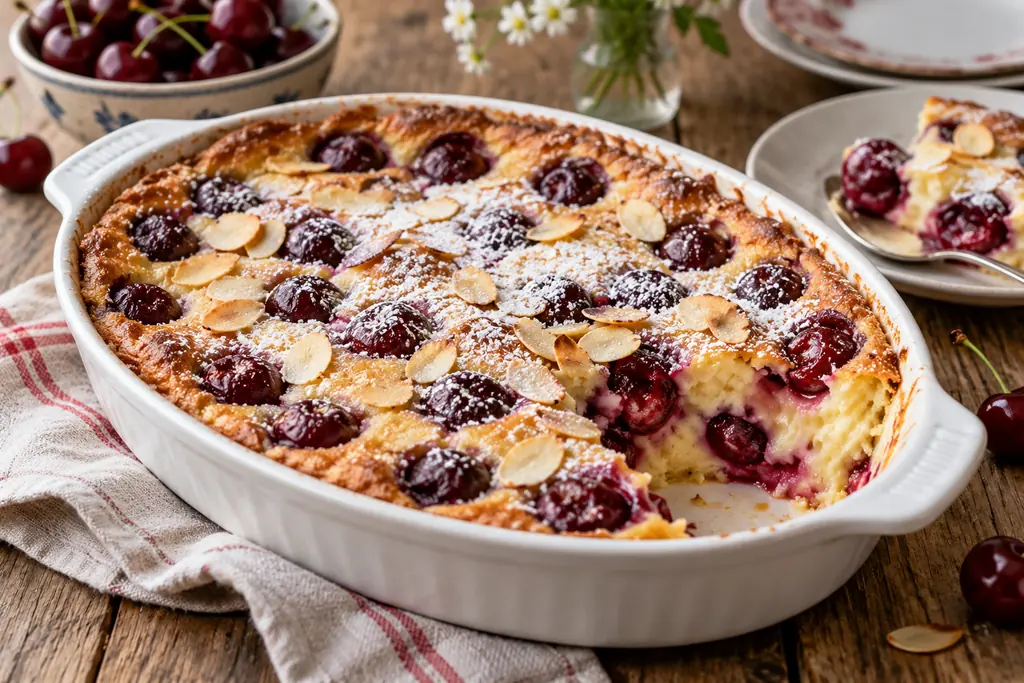
This cherry clafoutis has a lightly set, custard-like batter rather than a fluffy cake crumb. Stoning the cherries before baking makes it easier to serve and eat; let the dish rest briefly so the centre settles.

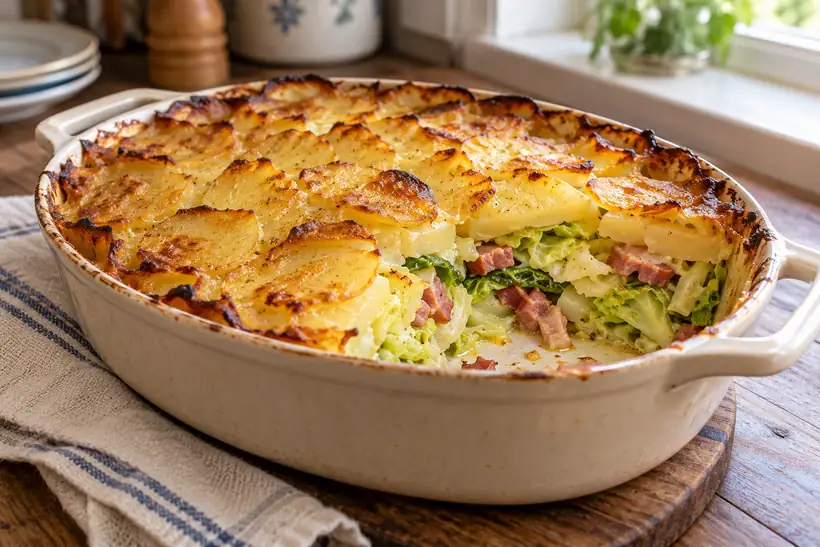
This warming bake layers potatoes with soft allotment cabbage and smoky bacon in a light mustard cream. Briefly cooking the cabbage first removes excess moisture, helping the layers bake evenly instead of turning watery.

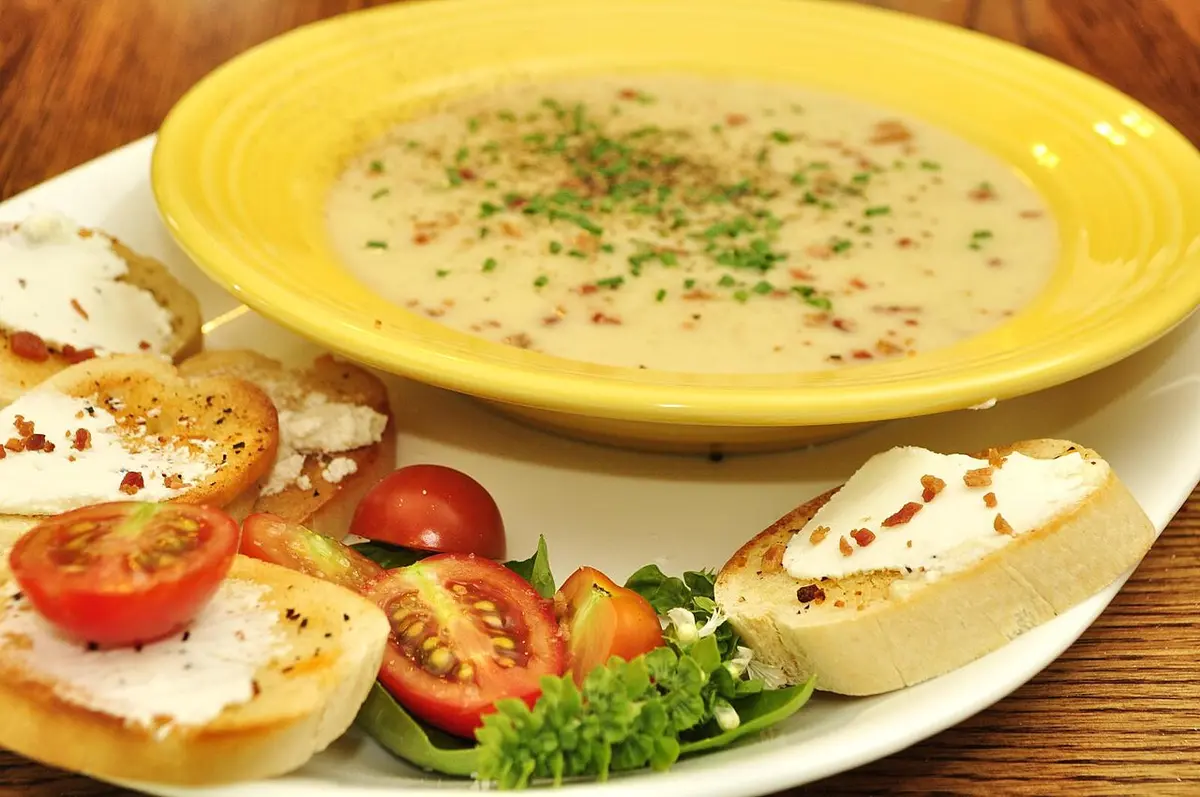
Sweet, gently cooked leeks and floury potatoes make a naturally creamy winter soup. Potato starch gives it body when blended, so plant cream is optional rather than necessary.

A quick, warming curry that uses tender spinach leaves.

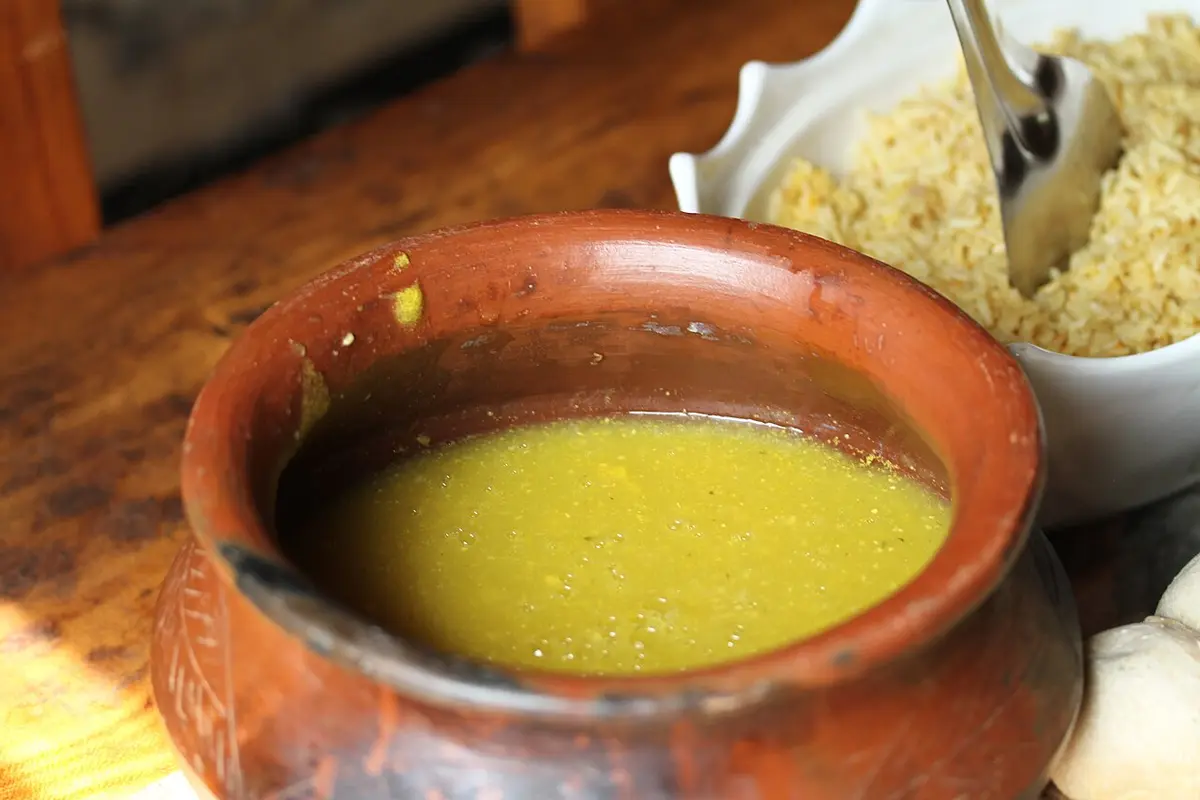
Pumpkin and red lentils simmer into a warming, filling autumn soup with coconut milk, fresh ginger and optional chilli. Red lentils thicken the pot naturally, so you can adjust the final texture to suit whether you want a spoonable soup or a lighter bowl.

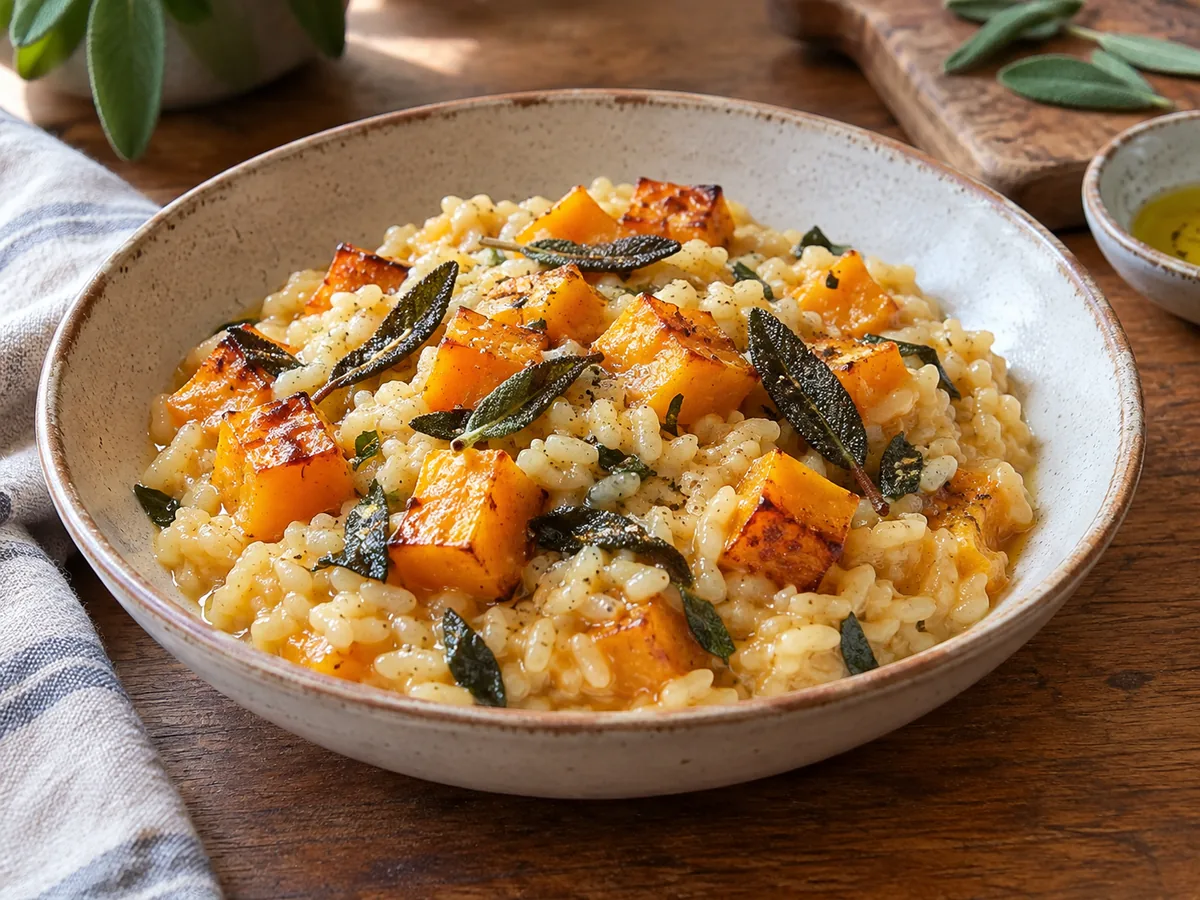
Roasted butternut squash brings sweetness to a classic sage risotto. Arborio rice releases its starch as it cooks, creating a creamy finish without butter, cheese or cream; a little olive oil and careful stirring complete the texture.

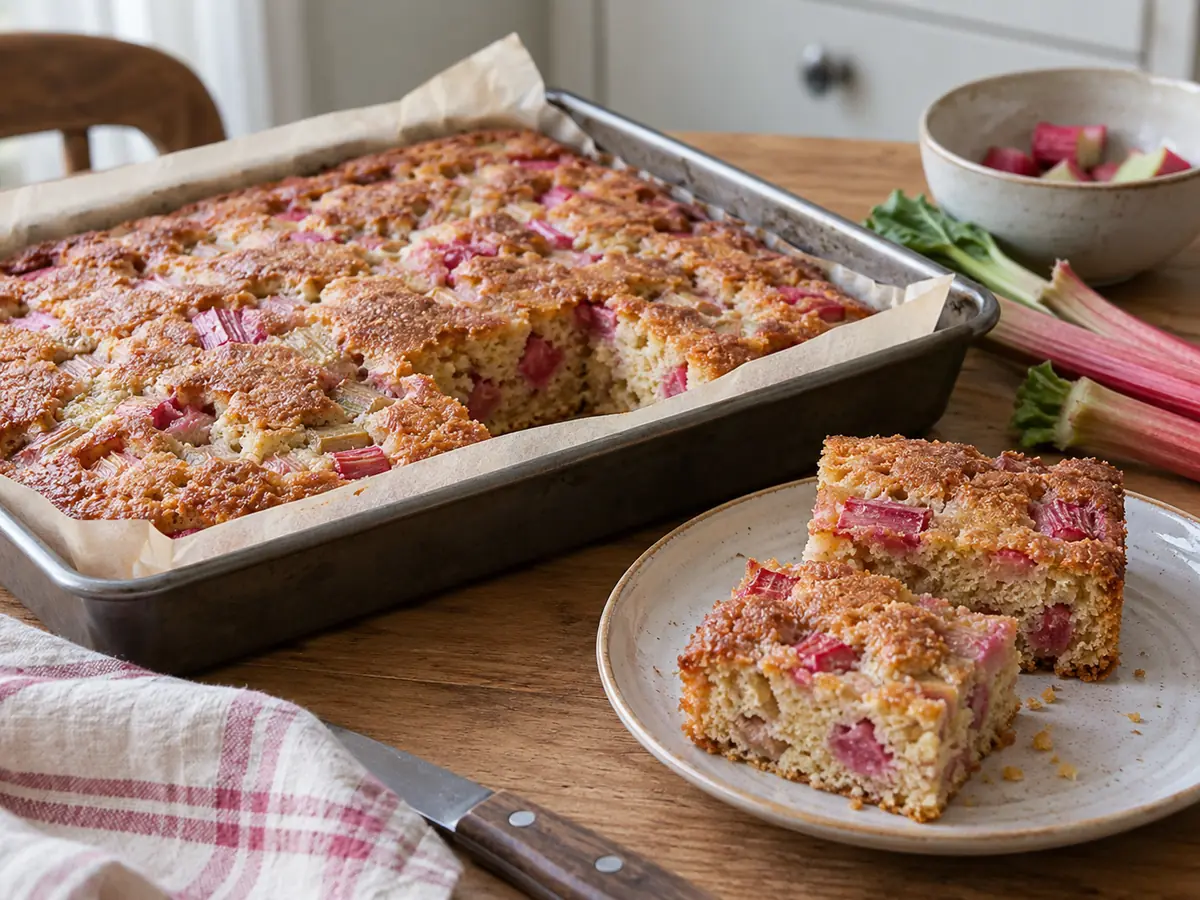
Sharp rhubarb pieces bake into a warmly spiced sponge, making a straightforward tray cake that slices neatly for a tea-time table or packed lunch.

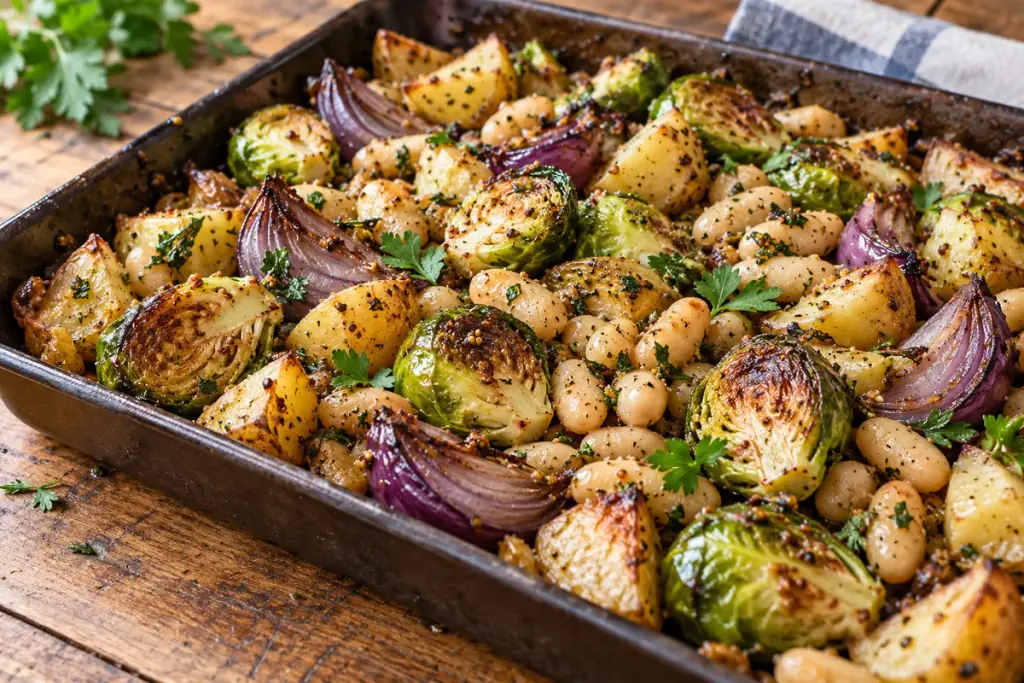
Roasting Brussels sprouts with potatoes and creamy white beans makes a low-fuss autumn supper. A sharp mustard and lemon dressing balances the browned vegetables.

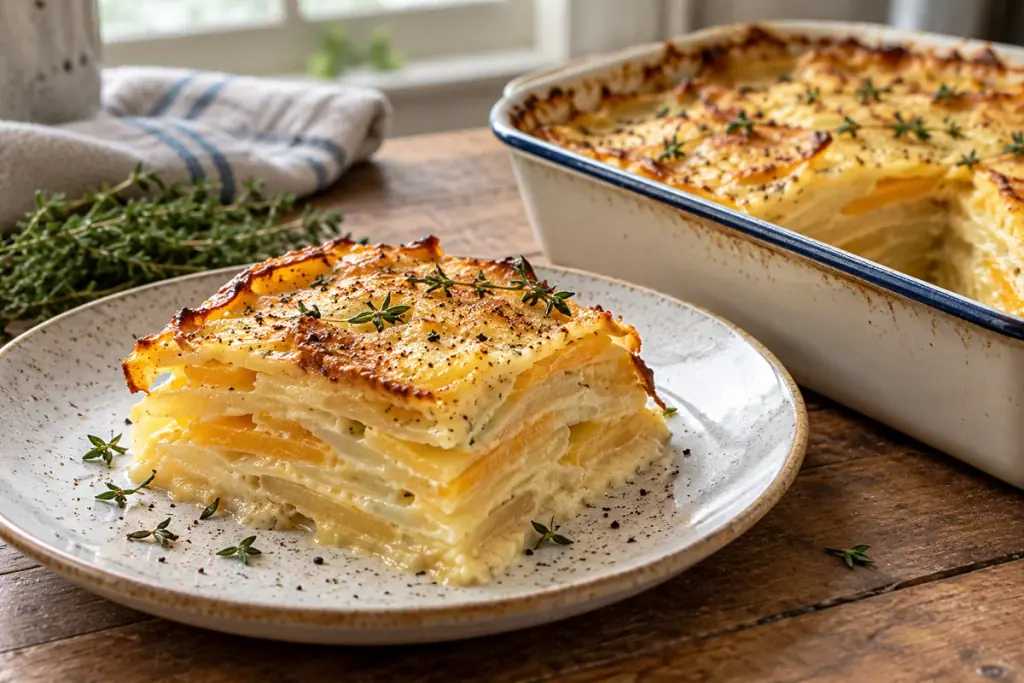
Thin layers of allotment swede and potato bake in a mustard-scented cream until tender beneath a golden top. It works as a winter main with greens or as a side dish.

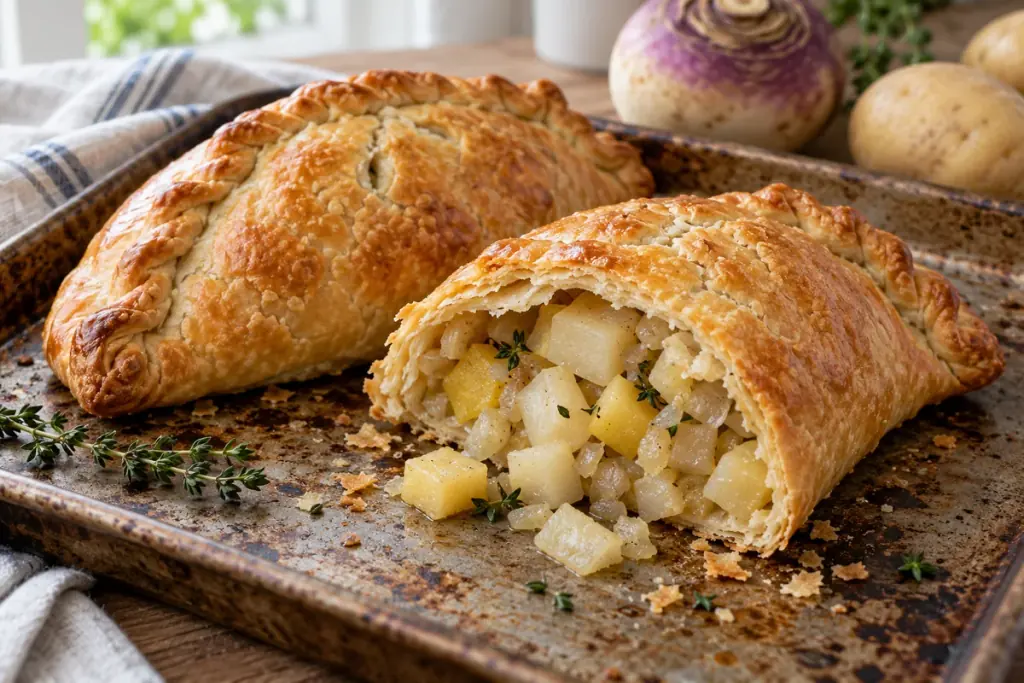
Small cubes of turnip and potato make a simple, savoury filling for flaky pasties. A little thyme and onion let the sweet, peppery roots lead.

Fresh raspberries bring sharp bursts of fruit to a soft lemon loaf. The simple plant-based batter is mixed by hand, then finished with a thin lemon icing once the cake has cooled.

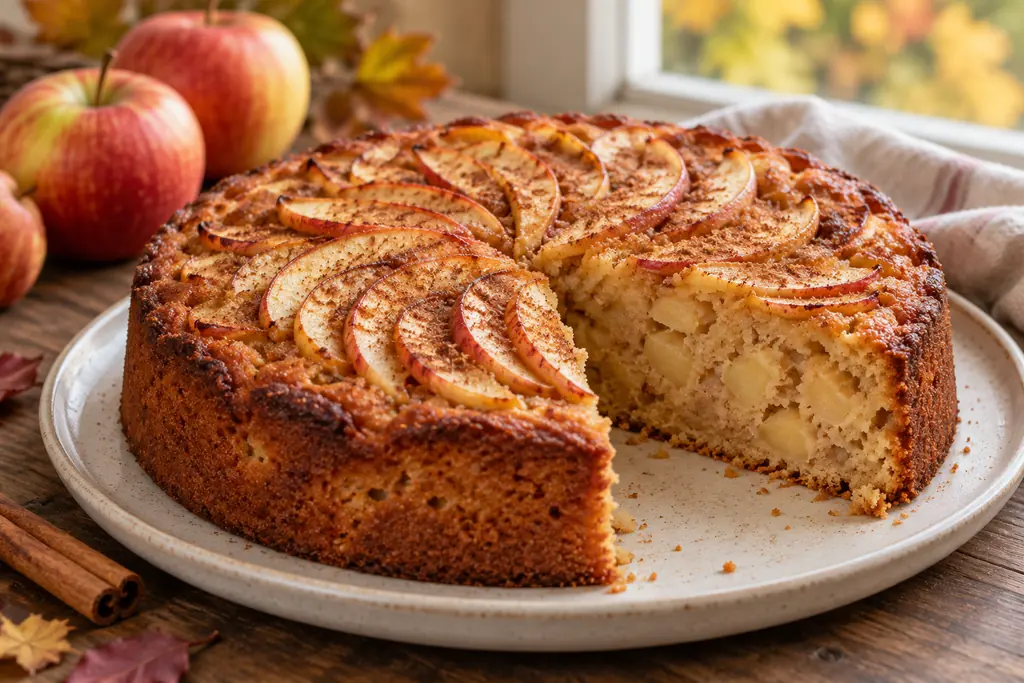
Stored allotment apples keep this gently spiced cake moist, with extra slices baked on top. It is an easy tray-side bake for using a mixture of firm dessert and cooking apples.

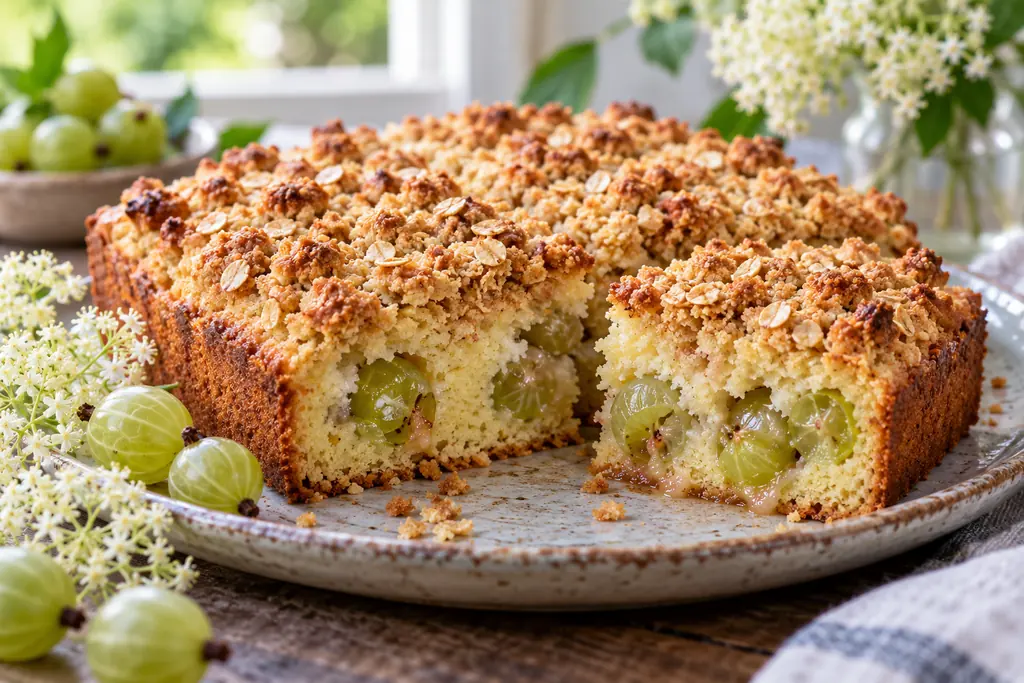
Sharp gooseberries are tucked into a soft elderflower-scented cake and finished with a crisp oat crumb. It is a different way to use a small harvest of berries while they are still firm.

Blackcurrants add tart fruit to a tender lemon cake made with fine polenta and ground almonds. The grains give a delicate texture without making the cake heavy.

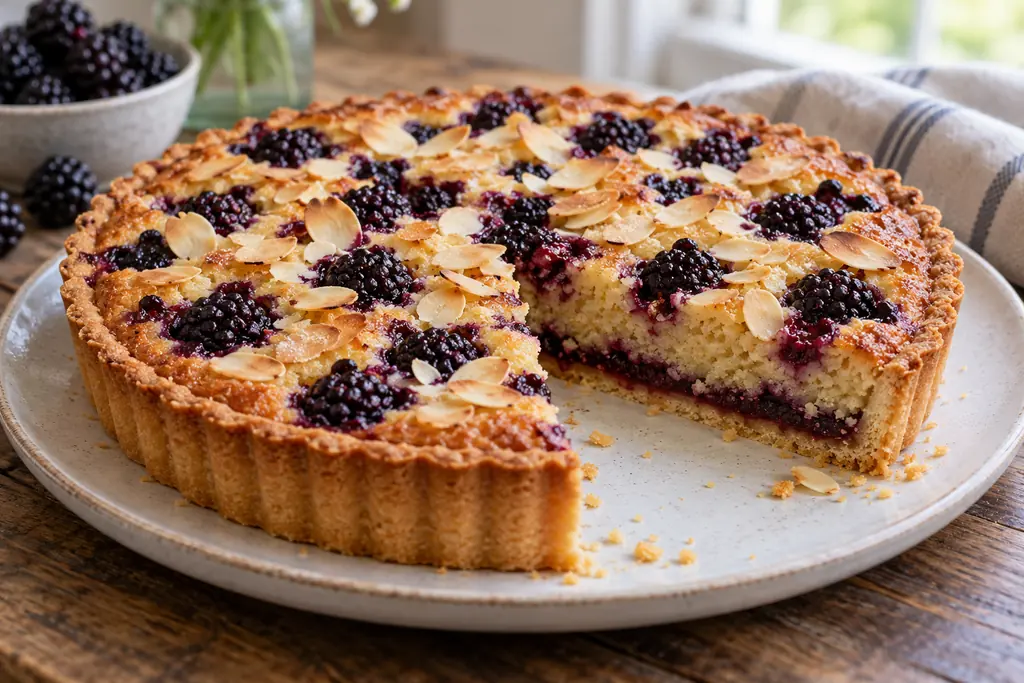
This Bakewell-style tart pairs allotment blackberries with almond frangipane in a crisp pastry case. Blind-baking the shell before filling helps it stay firm under the fruit and moist almond layer.

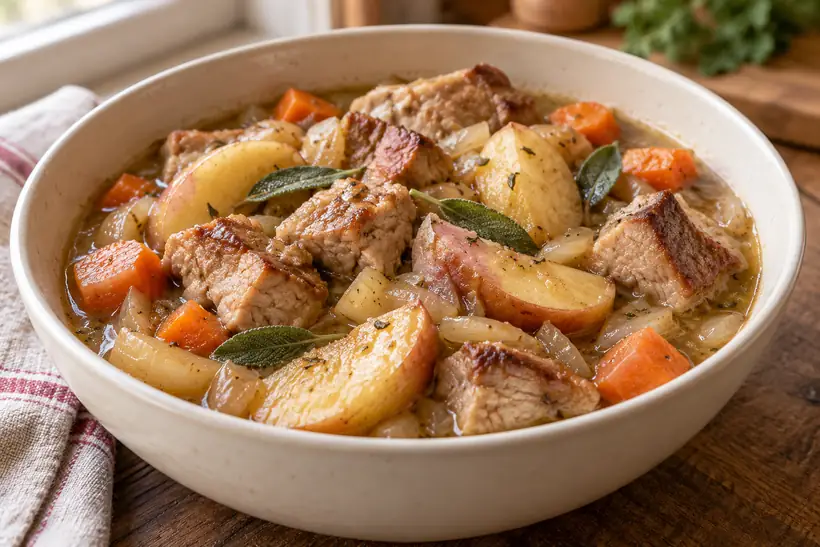
Pork shoulder, allotment apples and thyme make a gently sweet, savoury casserole. The apples go in towards the end so they soften into the sauce without completely disappearing.

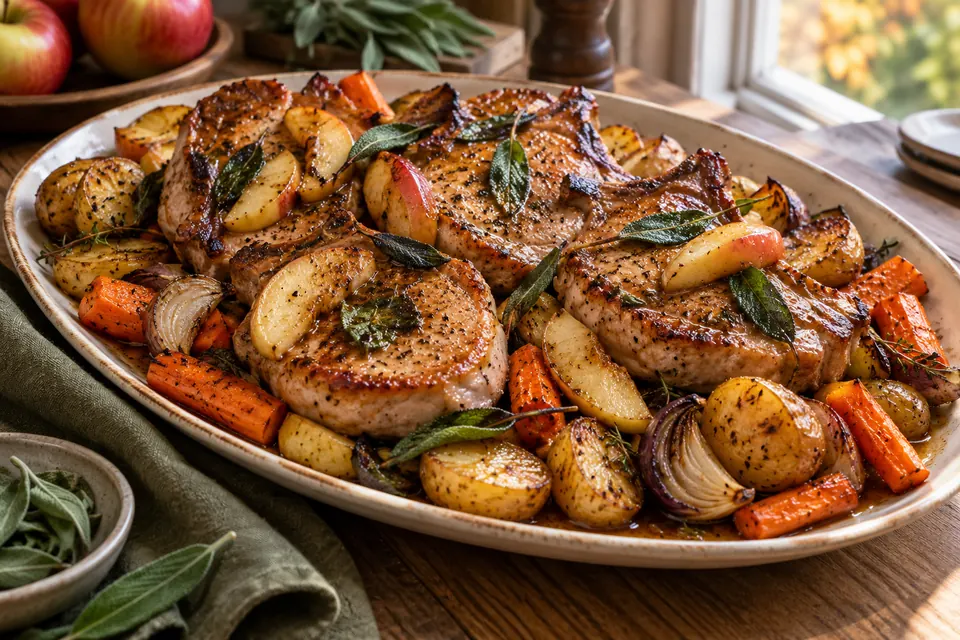
Sweet-tart apples and fragrant sage balance savoury pork chops, while potatoes, carrots and onions roast in the same tin. It is a practical autumn supper that uses stored allotment roots and the apple harvest together.

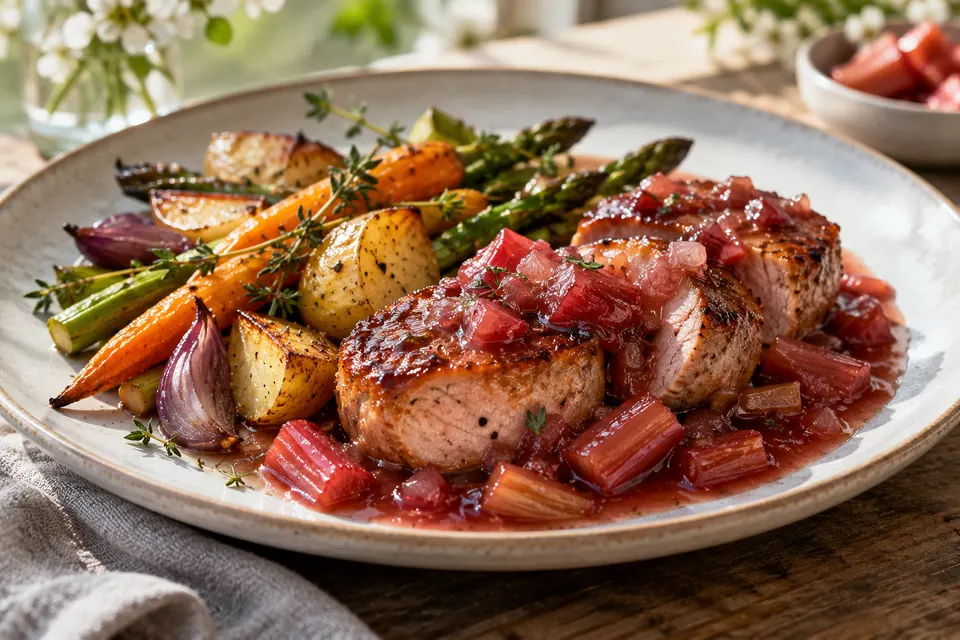
Sharp rhubarb makes a bright, sticky glaze for tender pork, with ginger adding warmth rather than hiding the fruit. It is a savoury way to use a spring rhubarb harvest, paired with simple seasonal vegetables.

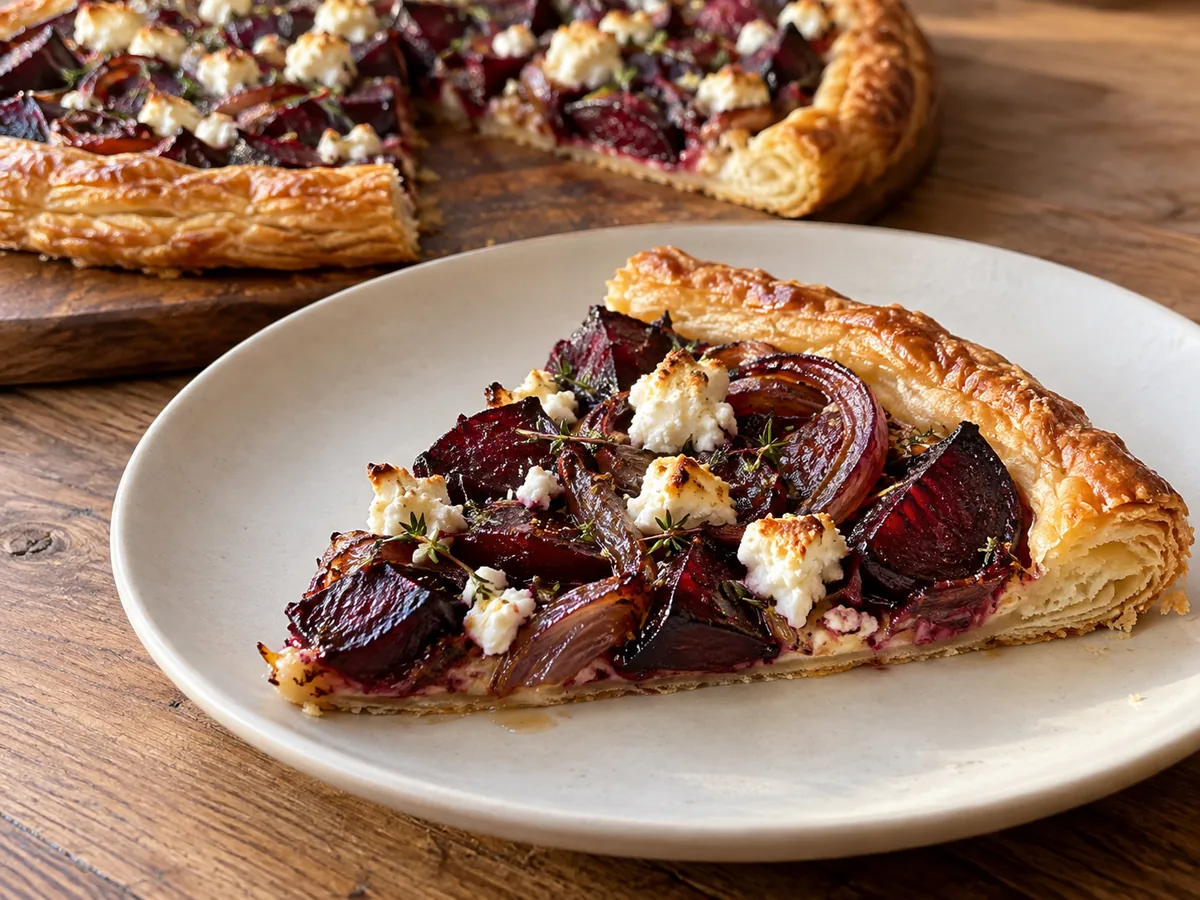
Earthy beetroot and sweet, slowly softened red onions sit on crisp puff pastry with thyme and tangy goat cheese. It makes a colourful lunch from a late-summer beetroot harvest and is just as good served warm as part of a picnic.

Fresh sweetcorn kernels and grated courgette make tender-centred fritters with crisp edges. Chickpea flour binds the mixture without egg, while squeezing the courgette dry keeps each fritter light enough to fry rather than steam.

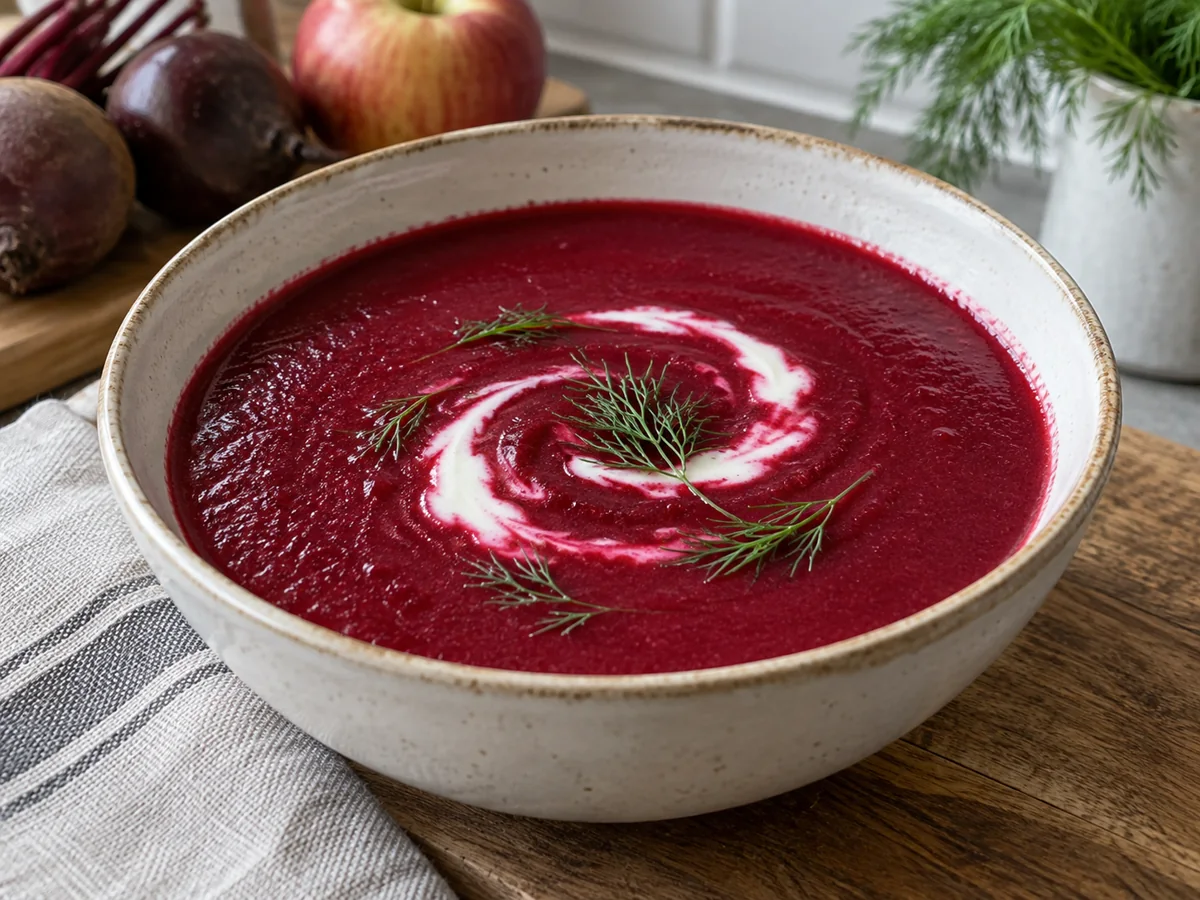
Beetroot gives this smooth soup its earthy depth, while tart apple and fresh dill keep each spoonful bright.

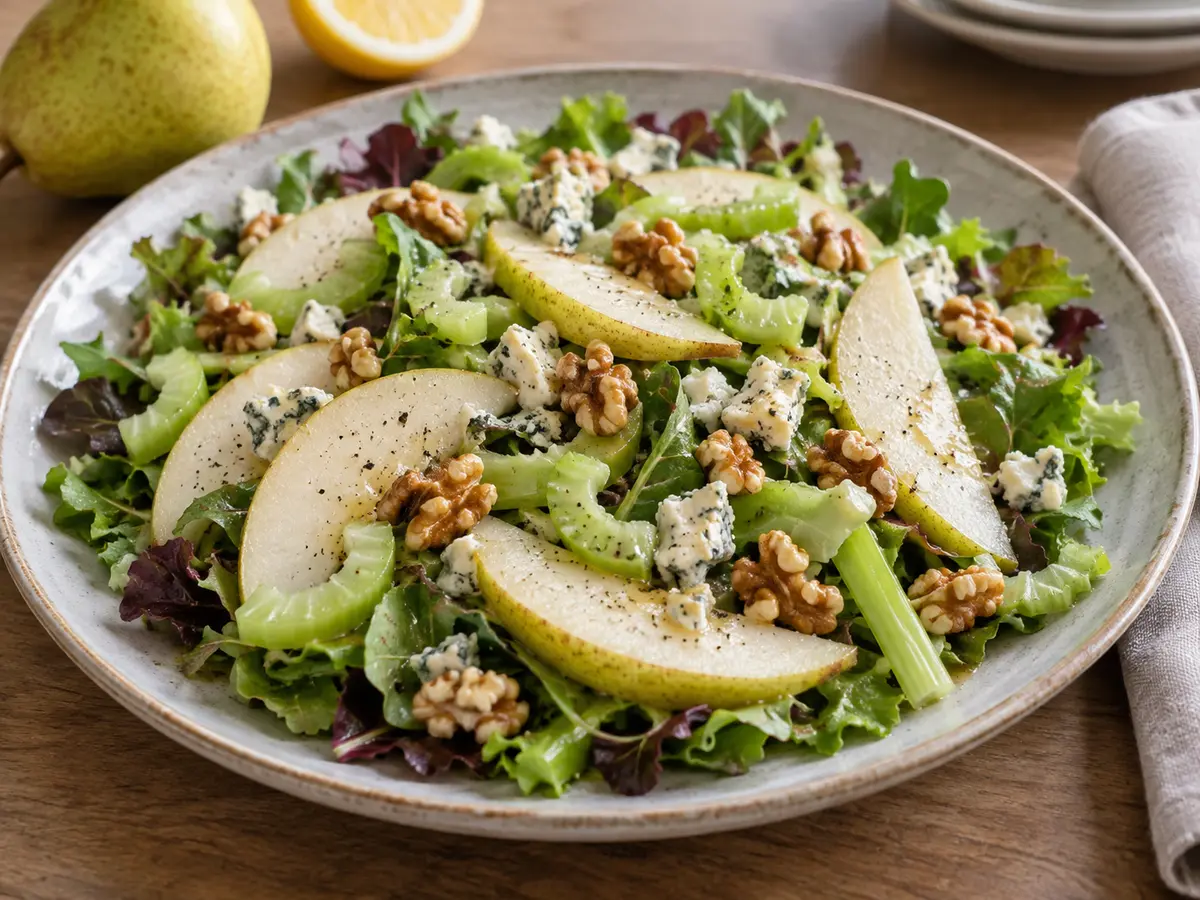
Sweet ripe pear, crisp celery and tangy vegetarian blue cheese make a quick salad with enough contrast to serve as a light lunch or starter.

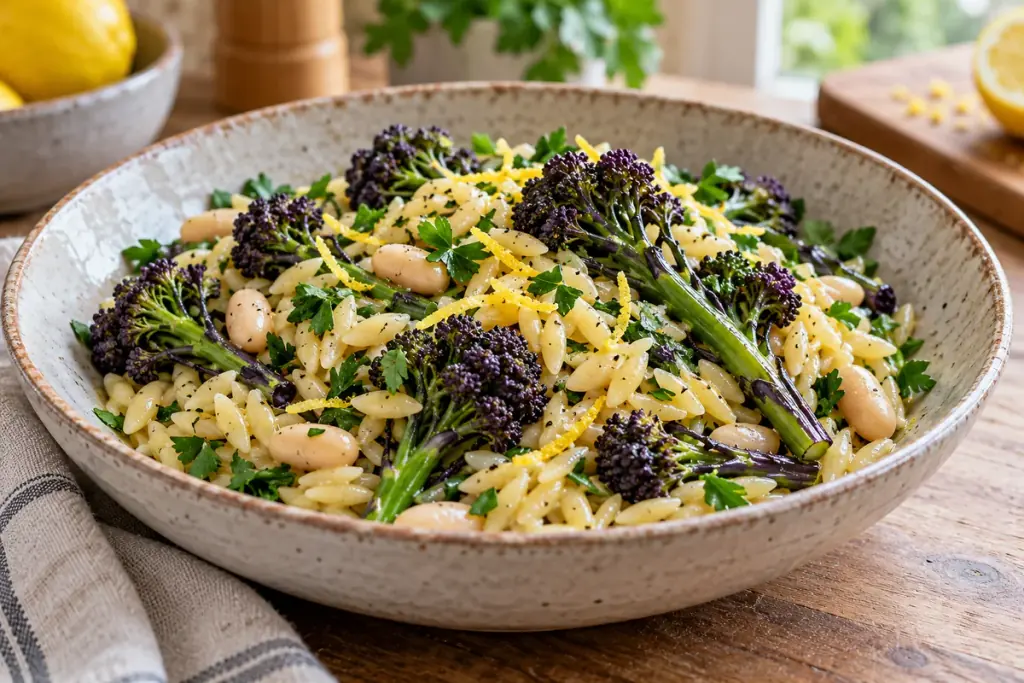
Tender purple sprouting broccoli and cannellini beans turn lemony one-pot orzo into a practical spring supper. The stems cook with the pasta while the florets stay bright.

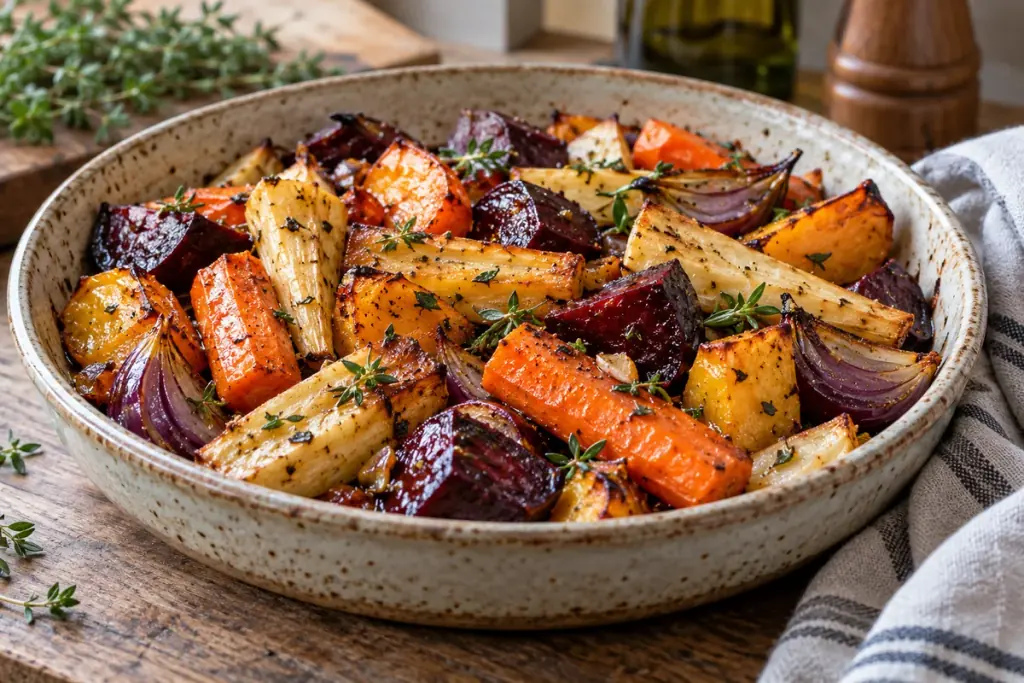
A flexible tray of carrots, parsnips, beetroot and swede turns mixed winter roots into a colourful side. Garlic and thyme bring out their natural sweetness.

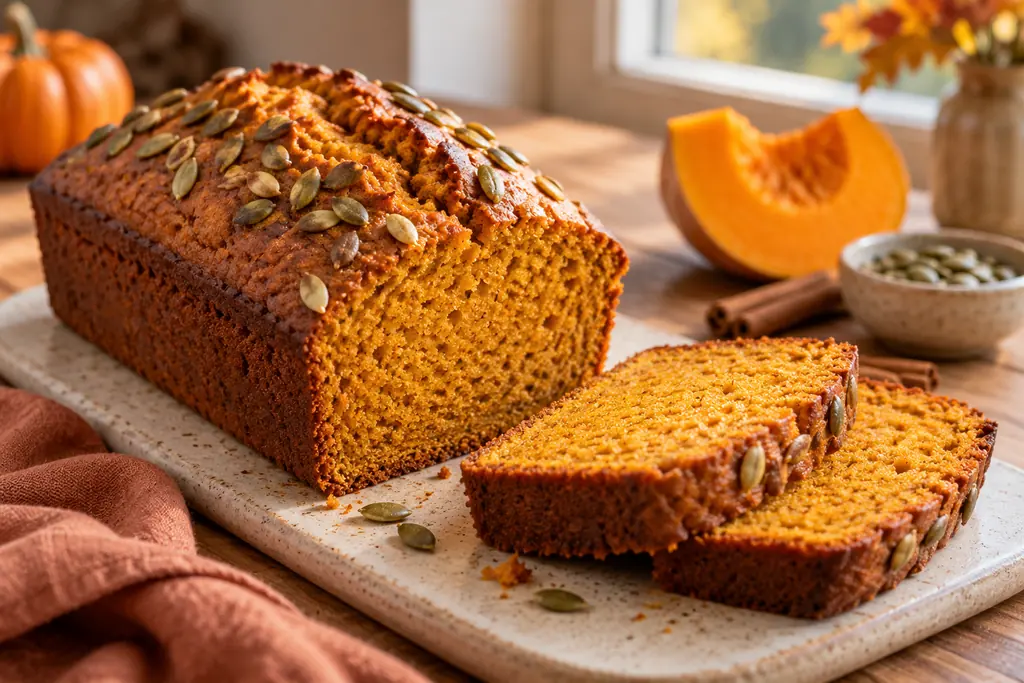
Roasted allotment pumpkin gives this warmly spiced loaf a tender crumb. Make the purée ahead and let it cool completely so it blends smoothly into the plant-based batter.

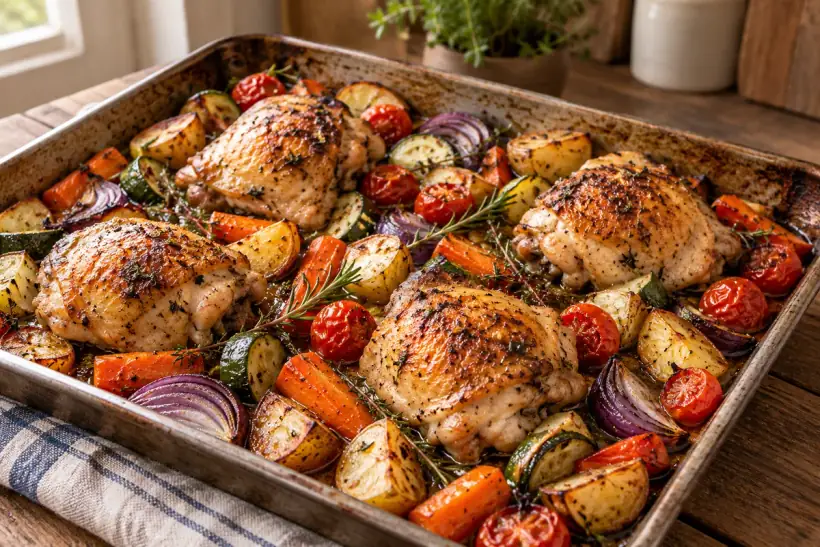
Chicken thighs roast over potatoes and carrots, with courgette and tomatoes added later so they stay tender rather than collapse. It is a low-fuss tray supper built around vegetables that allotment growers can harvest through summer and autumn.

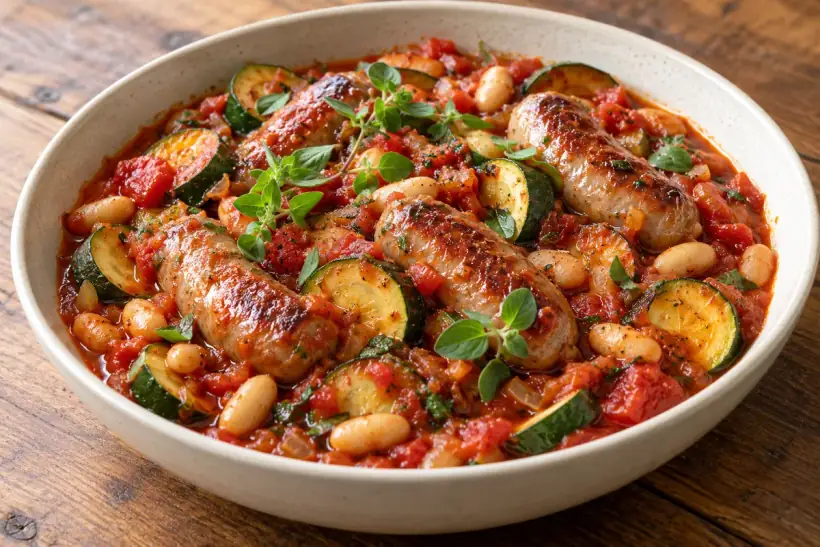
This one-pan casserole makes good use of ripe allotment tomatoes and a courgette glut. Cannellini beans add substance, while browned sausages and a gently reduced tomato sauce keep the dish satisfying.

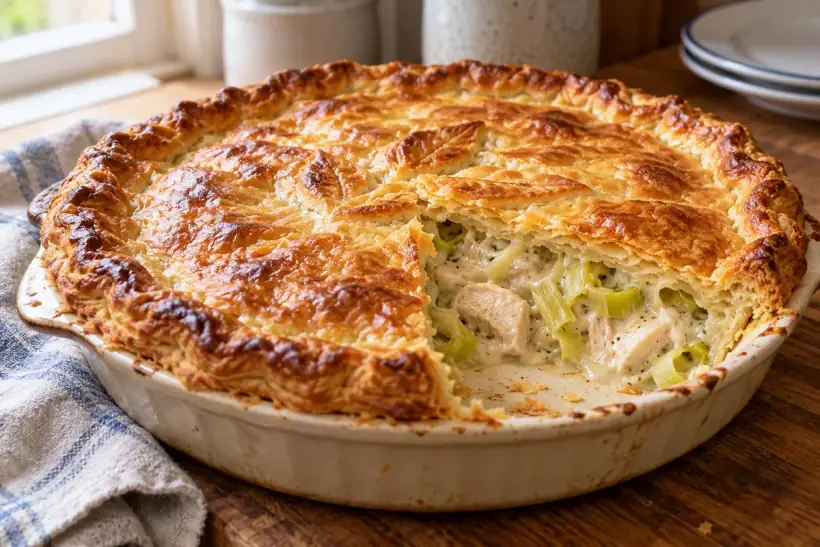
Sweet, slowly softened leeks bring allotment flavour to a creamy chicken pie beneath crisp puff pastry. Cooking the filling first and cooling it briefly helps the pastry rise and keeps the sauce from becoming runny.

A clear, gently savoury soup that puts fresh sweetcorn to good use. Carrot, celery and herbs build flavour in the broth, while shredded chicken makes it a satisfying lunch or light supper.

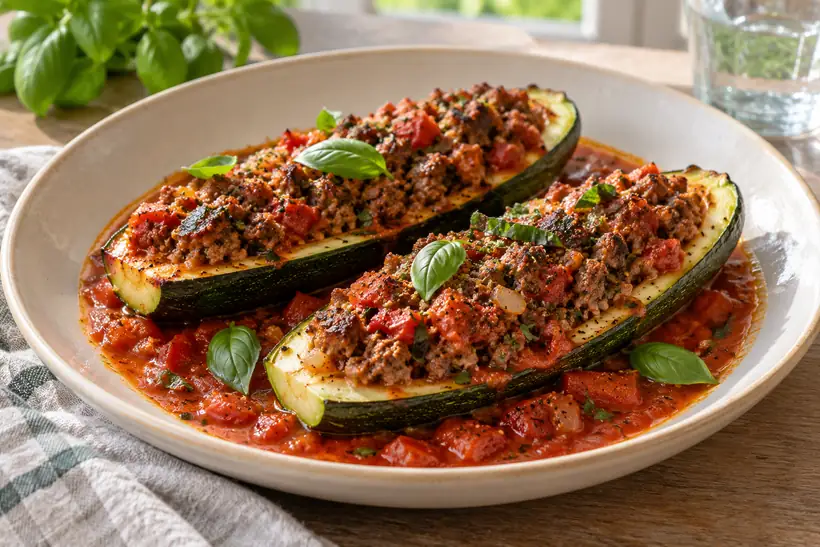
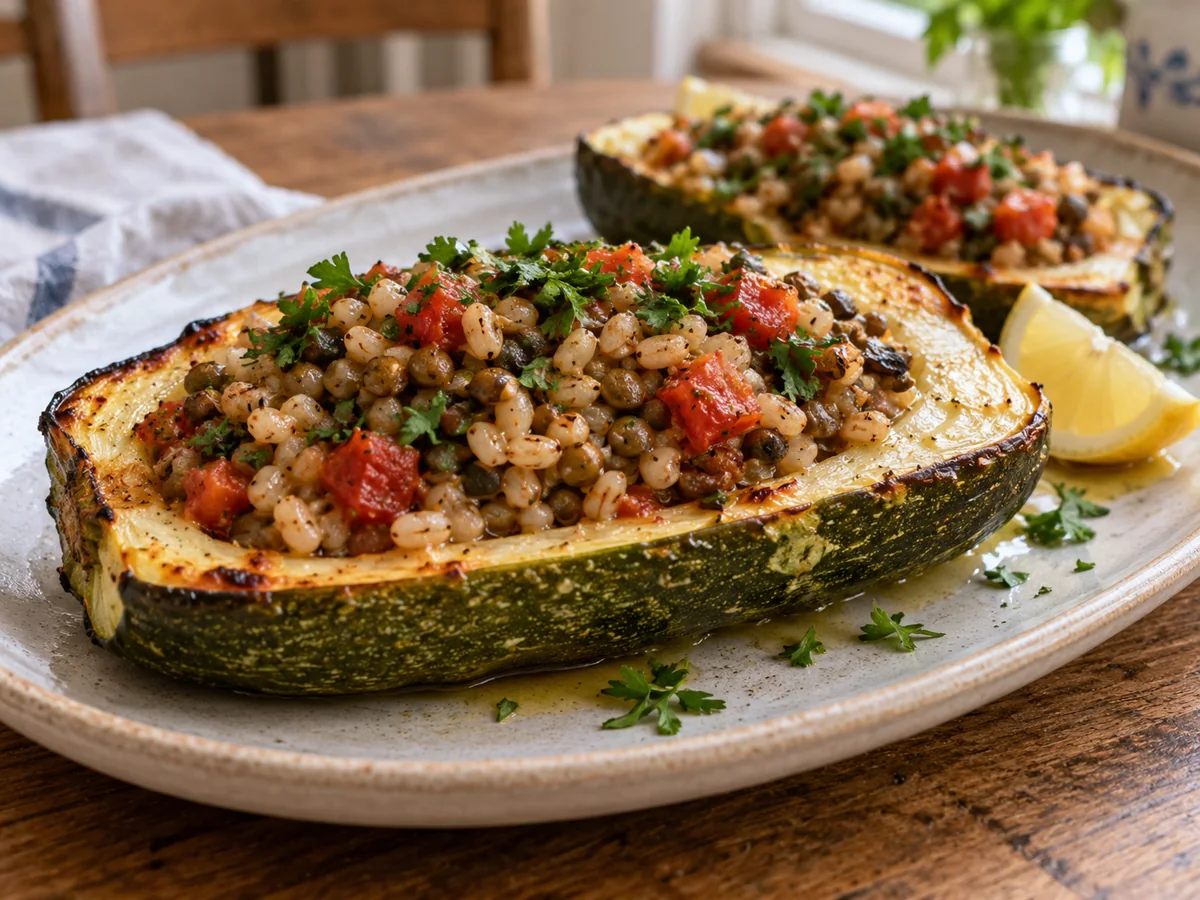
Large courgettes become edible boats for a savoury beef and herb filling, baked in a simple tomato sauce. It is a useful way to use mature fruit from the plot while keeping the flesh tender rather than watery.

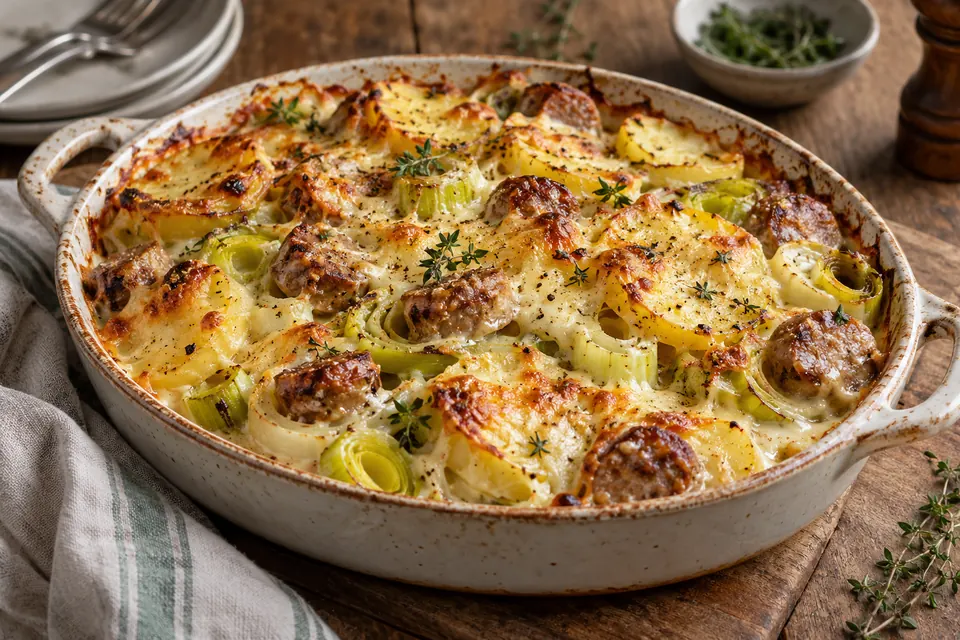
Savoury browned sausages sit between tender leeks and thin potato slices in a creamy, golden gratin. Leeks and potatoes store well from the allotment, making this a satisfying cold-weather dish with straightforward preparation.

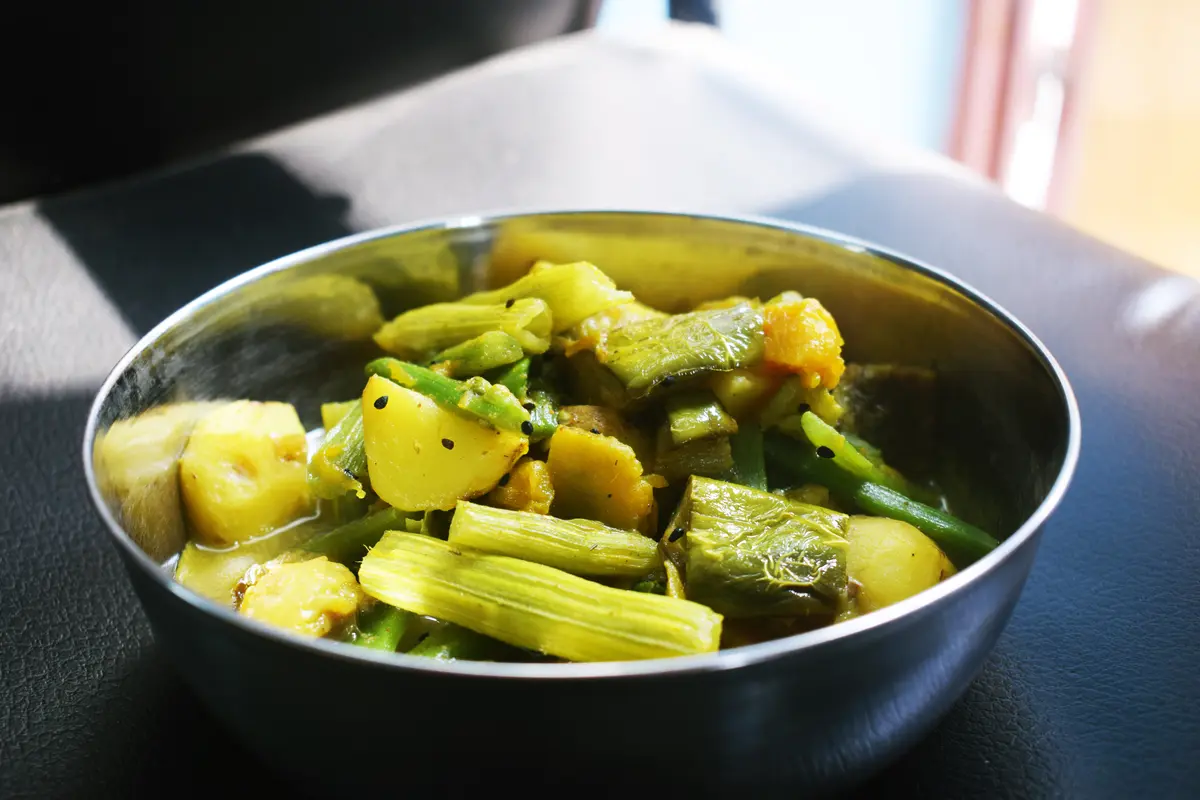
A generous one-pot curry for potatoes, beans, courgettes and tomatoes from the plot.

A generous baked marrow turns a late-summer glut into a complete, herby supper.

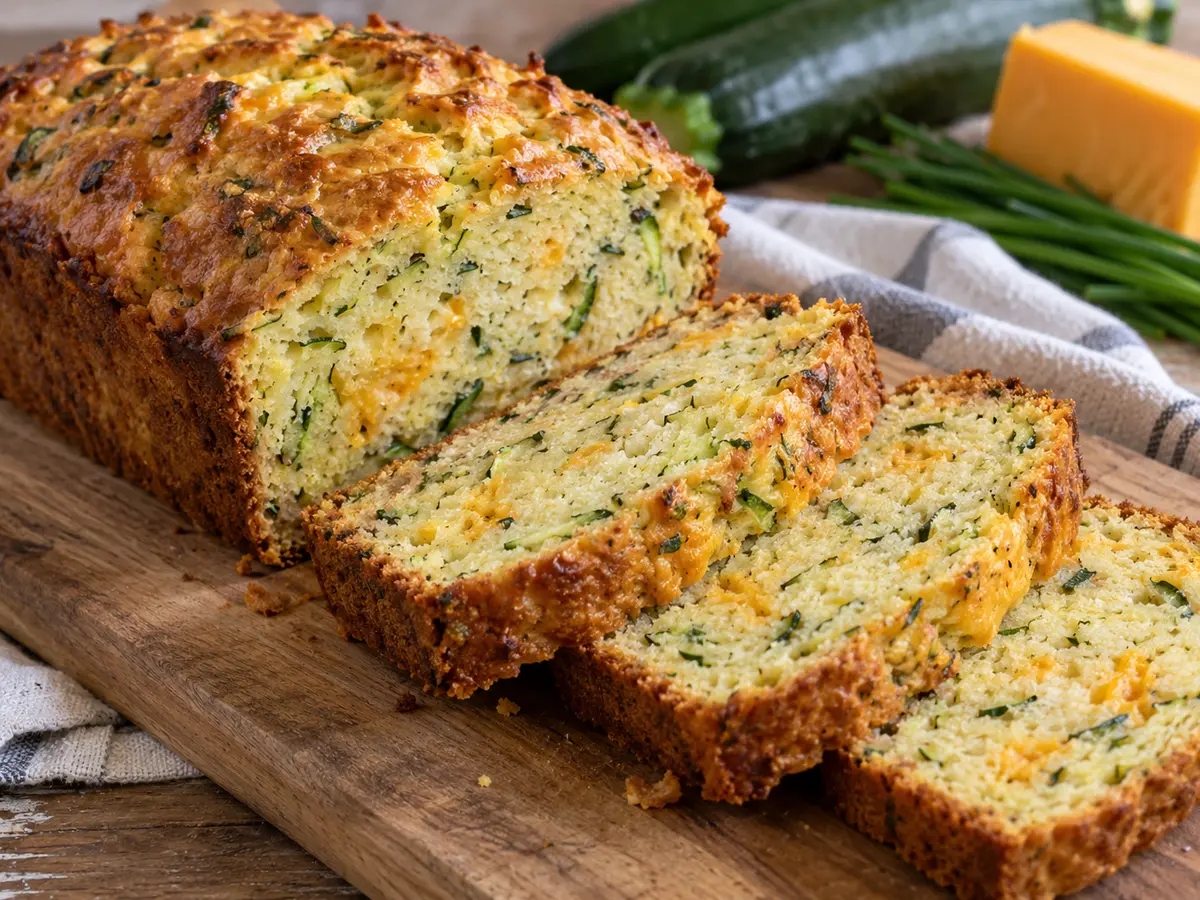
A savoury quick loaf folds grated courgette, mature cheddar and chives into a soft, lightly crisp crumb for lunches or a picnic.

Carrots and red lentils make a warming, filling soup from everyday allotment produce. Cumin, coriander and lemon keep the flavour bright rather than heavy.

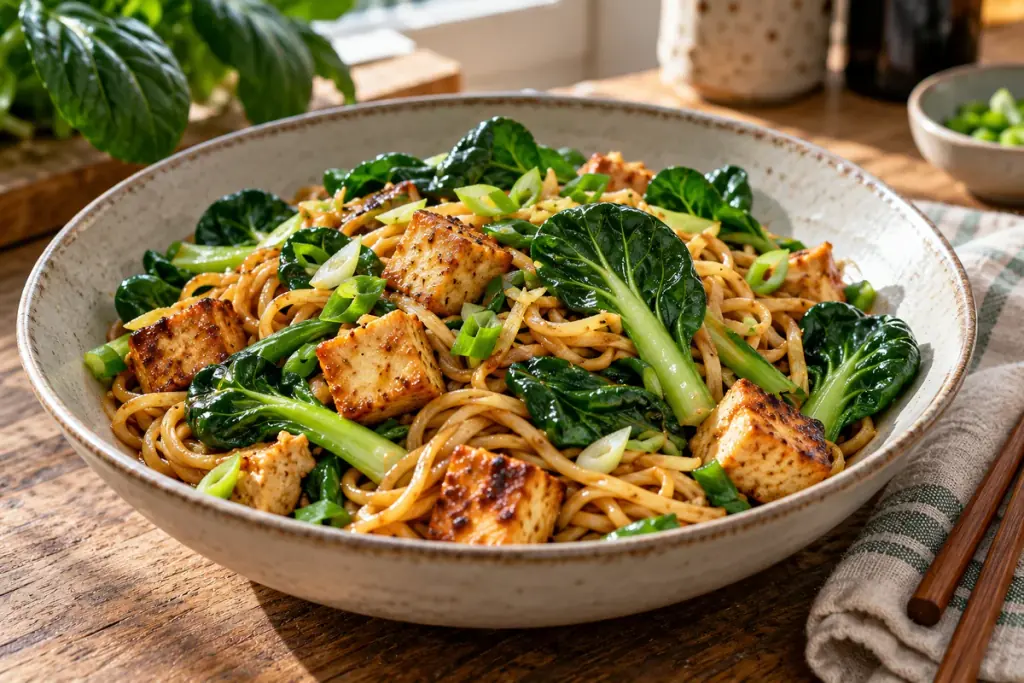
Tender tatsoi leaves and stems wilt quickly through ginger tofu noodles, making a fast way to use a fresh harvest. Spring onions and lime keep the savoury sauce lively.

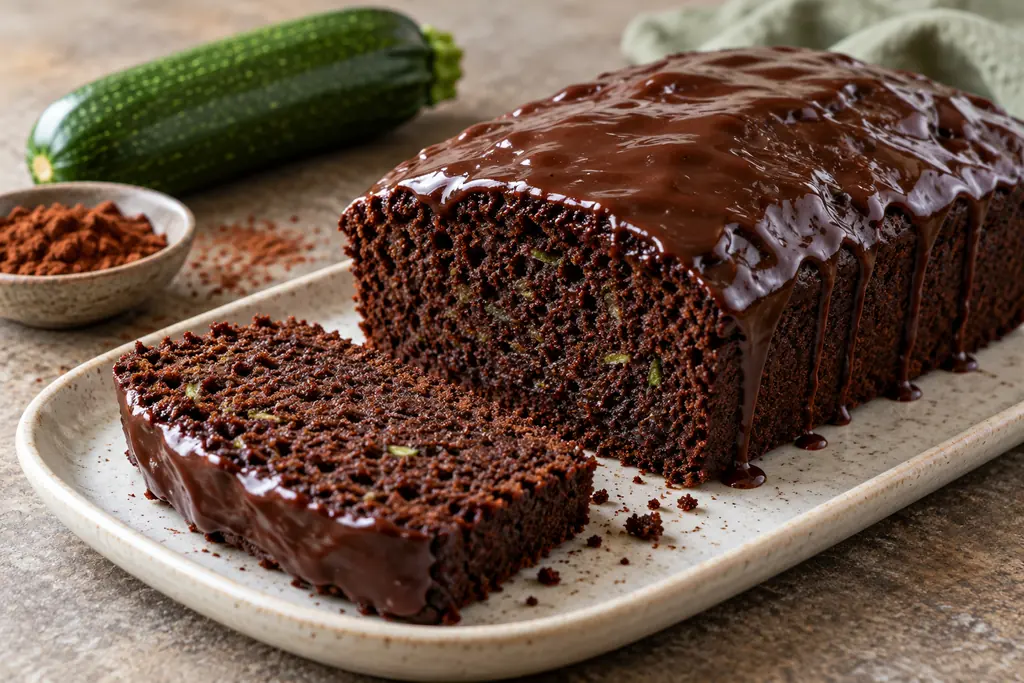
Finely grated courgette adds moisture to a deep cocoa loaf without making the cake taste of vegetables. A thin chocolate glaze makes it feel like a treat and helps use a larger summer harvest.

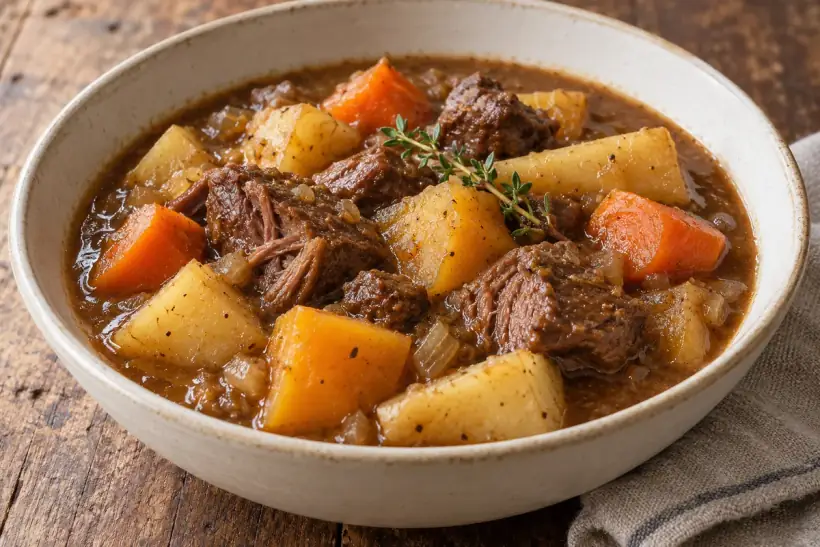
Lamb shoulder becomes tender during a slow, gentle braise with allotment carrots, parsnips and swede. Staggering the vegetables keeps the potatoes and roots intact instead of letting them break down into the gravy.

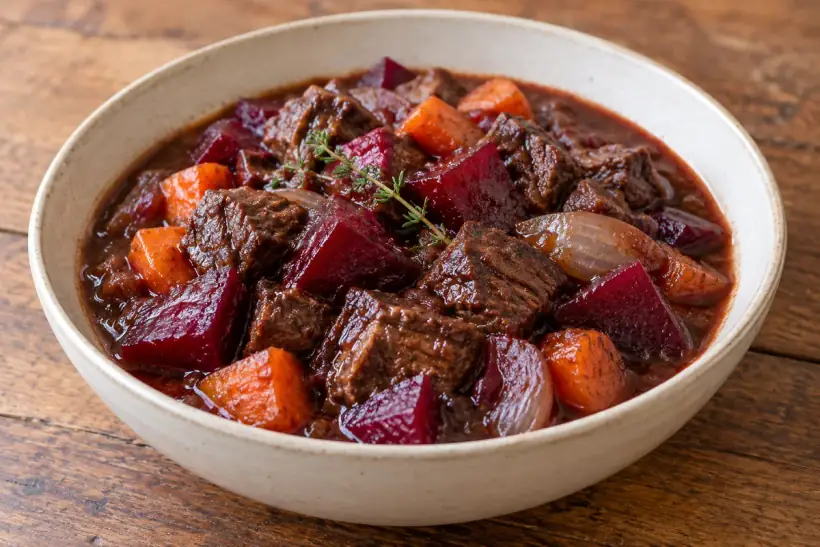
Earthy beetroot gives this slow-braised beef stew a deep colour and gentle sweetness. Add the beetroot part-way through cooking so it becomes tender while keeping enough shape to stand out among the carrots and beef.

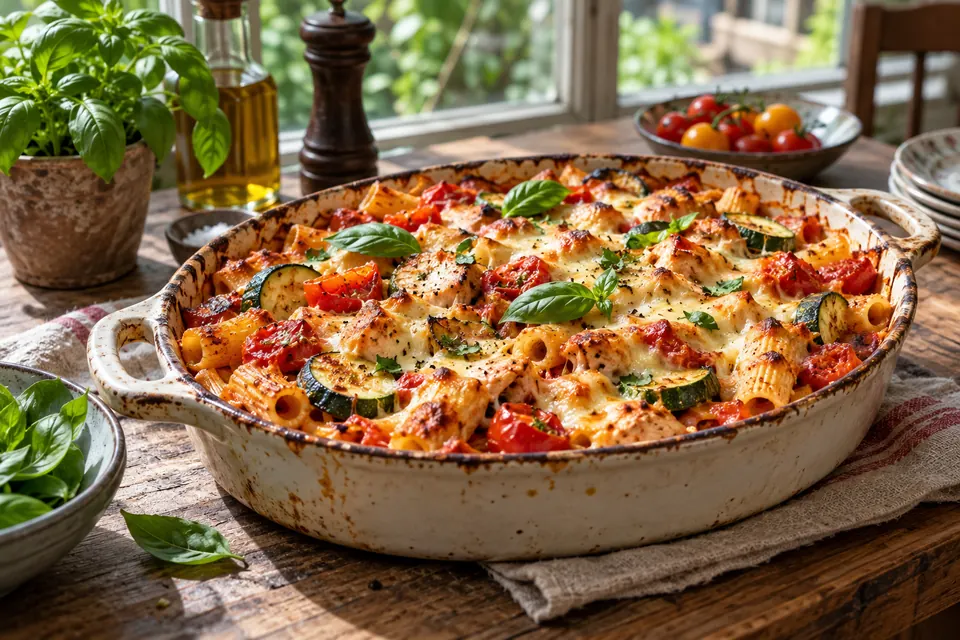
A bubbling pasta bake puts ripe allotment tomatoes and firm courgettes to work with chicken, garlic and basil. Roasting the vegetables first concentrates their flavour and keeps the finished sauce from becoming watery.

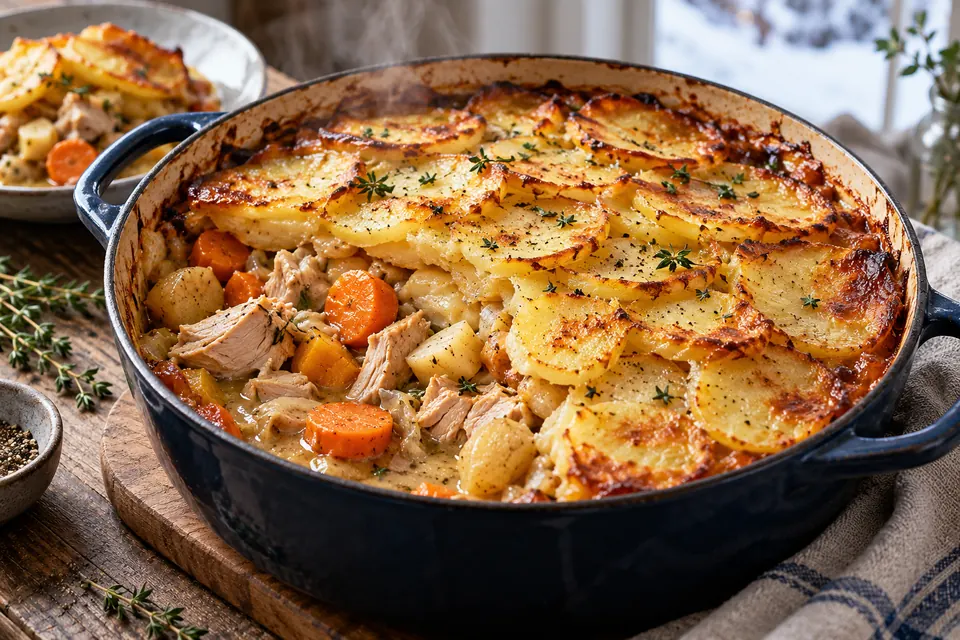
Turkey, carrots, parsnips, swede and onions simmer beneath overlapping potato slices for a warming one-dish meal. It makes practical use of stored allotment roots and provides a gentler alternative to a large roast.

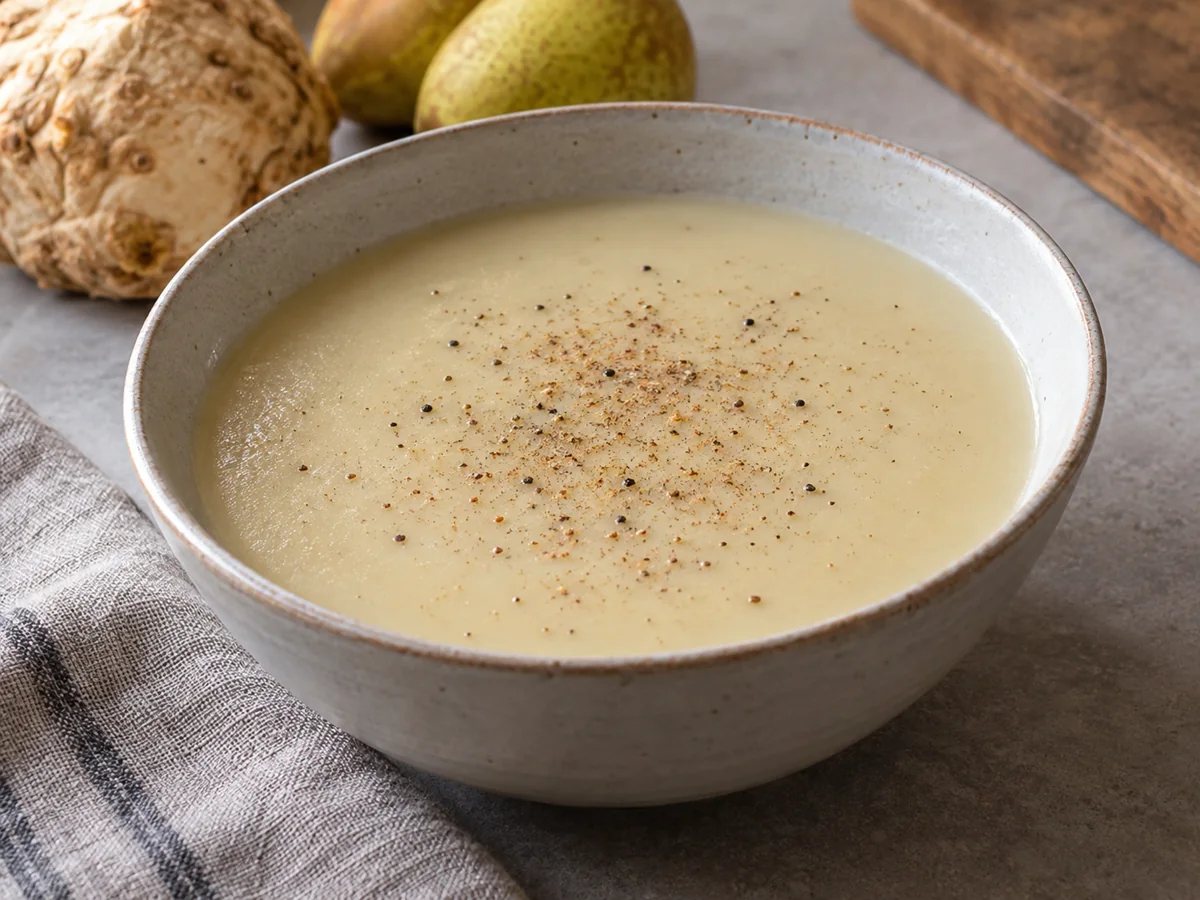
Nutty celeriac and ripe pear make a smooth, gently sweet soup, balanced with Dijon mustard and a little lemon.

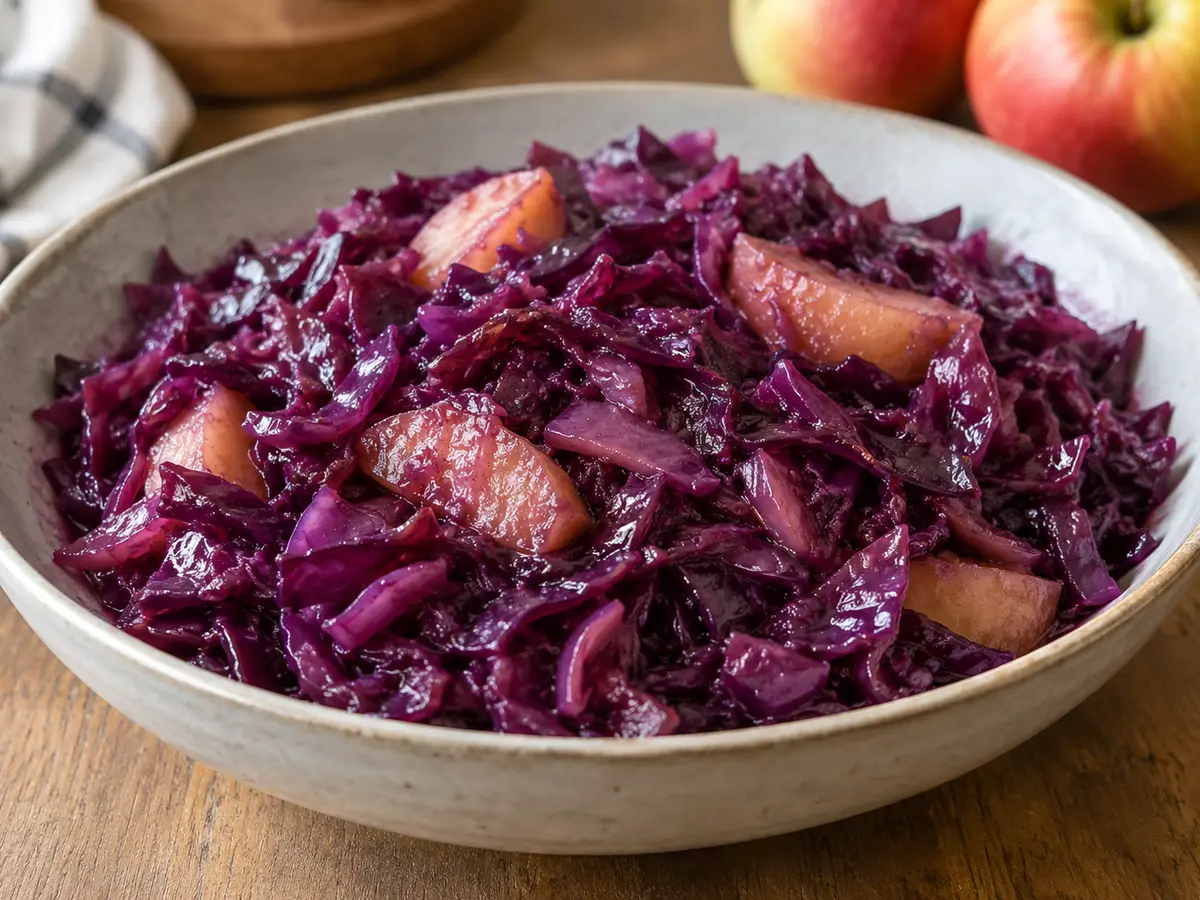
Slow-braised red cabbage softens with apple, apple juice and cider vinegar into a sweet-sharp side for a winter meal.

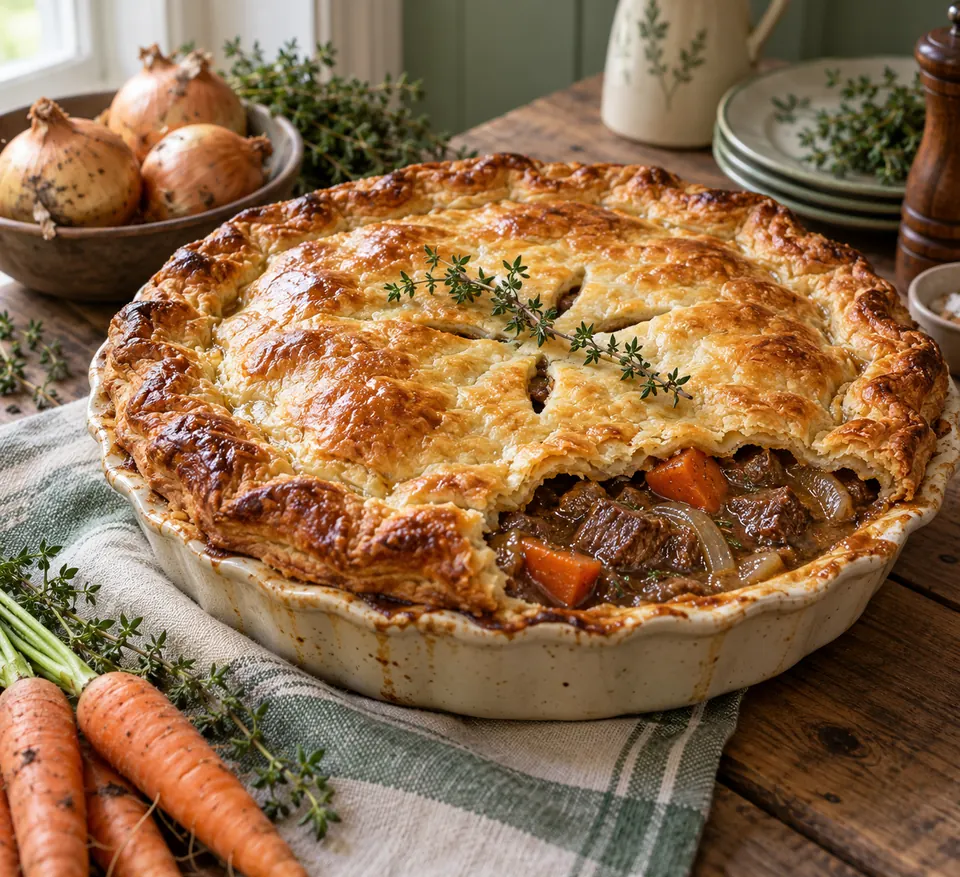
Beef shin or chuck turns spoon-tender in a slow onion, carrot and thyme gravy before it is baked beneath crisp pastry. Homegrown onions bring sweetness and carrots add substance to this generous allotment-season supper.

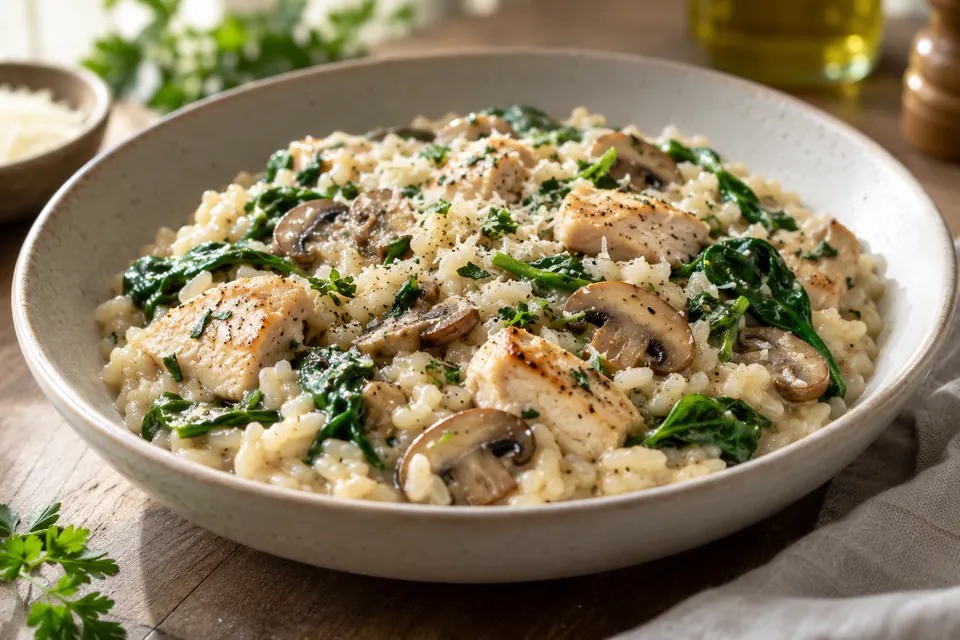
This creamy risotto pairs tender chicken and cultivated mushrooms with fresh allotment spinach, onion and herbs. Add hot stock gradually and stir as the rice releases starch; the result should flow softly on the plate, not sit in a firm mound.

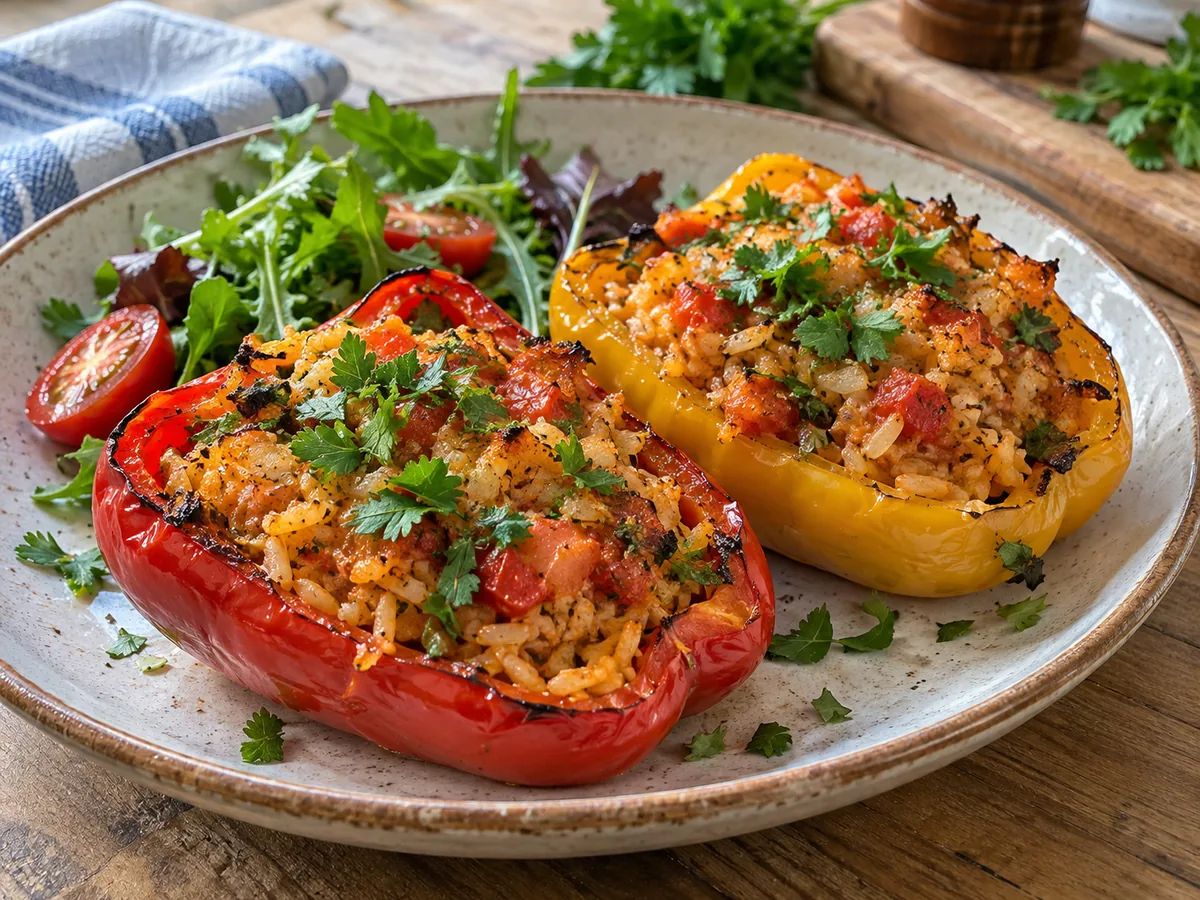
Sweet allotment peppers become tender edible bowls for a savoury tomato and herb rice filling. Part-cooking the rice and roasting the pepper halves cut-side up helps the filling stay moist while the peppers soften evenly.

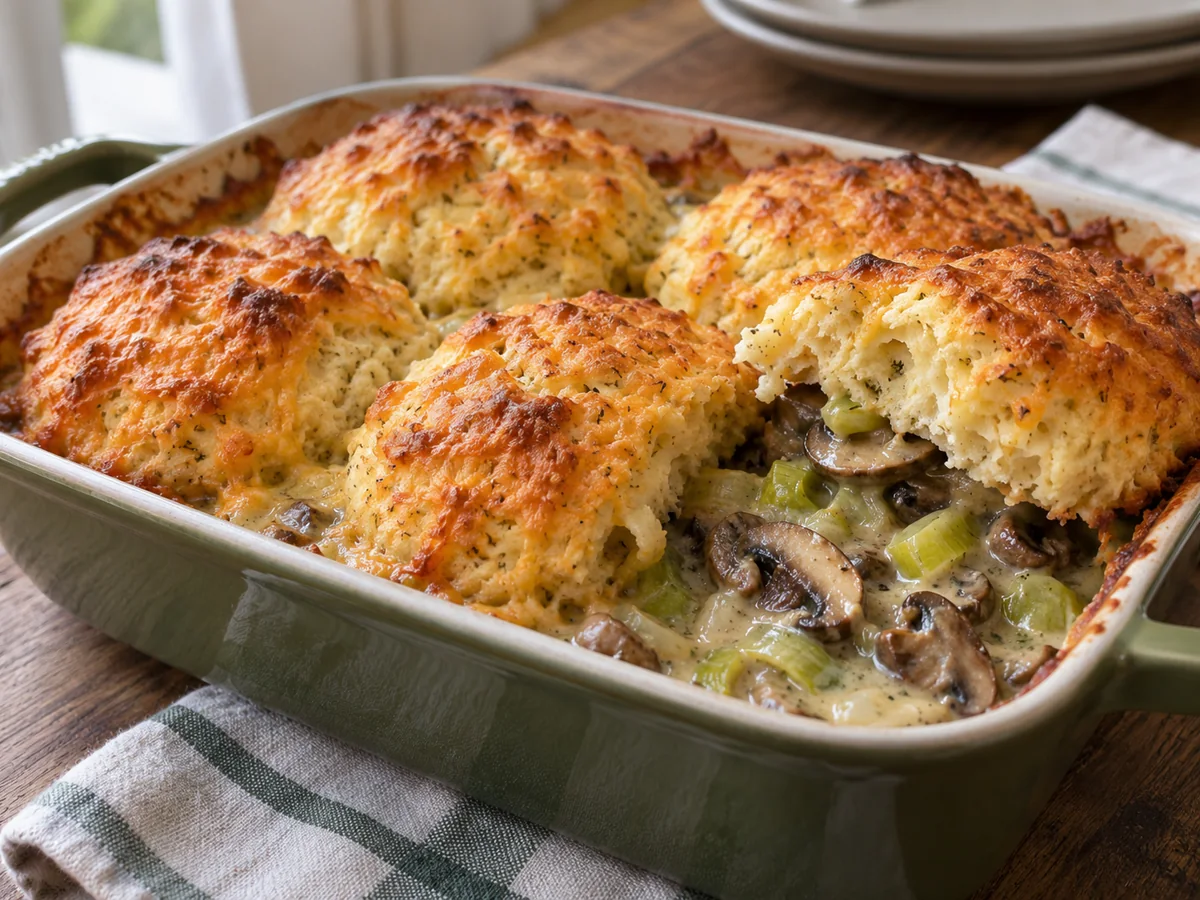
Soft leeks and browned mushrooms sit under savoury cheddar cobbler rounds for a filling one-dish meal.

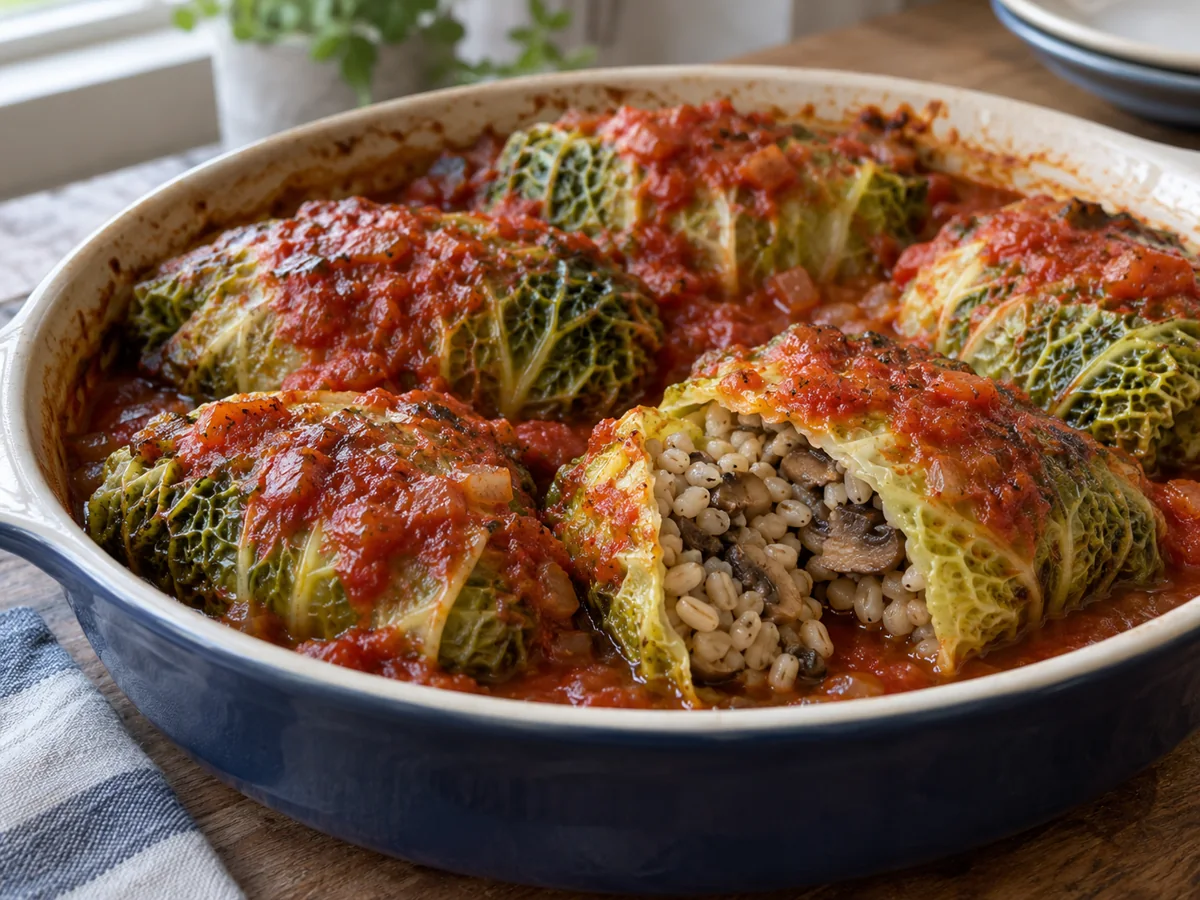
Savoy leaves wrap a savoury barley and mushroom filling, then bake until tender in tomato sauce.

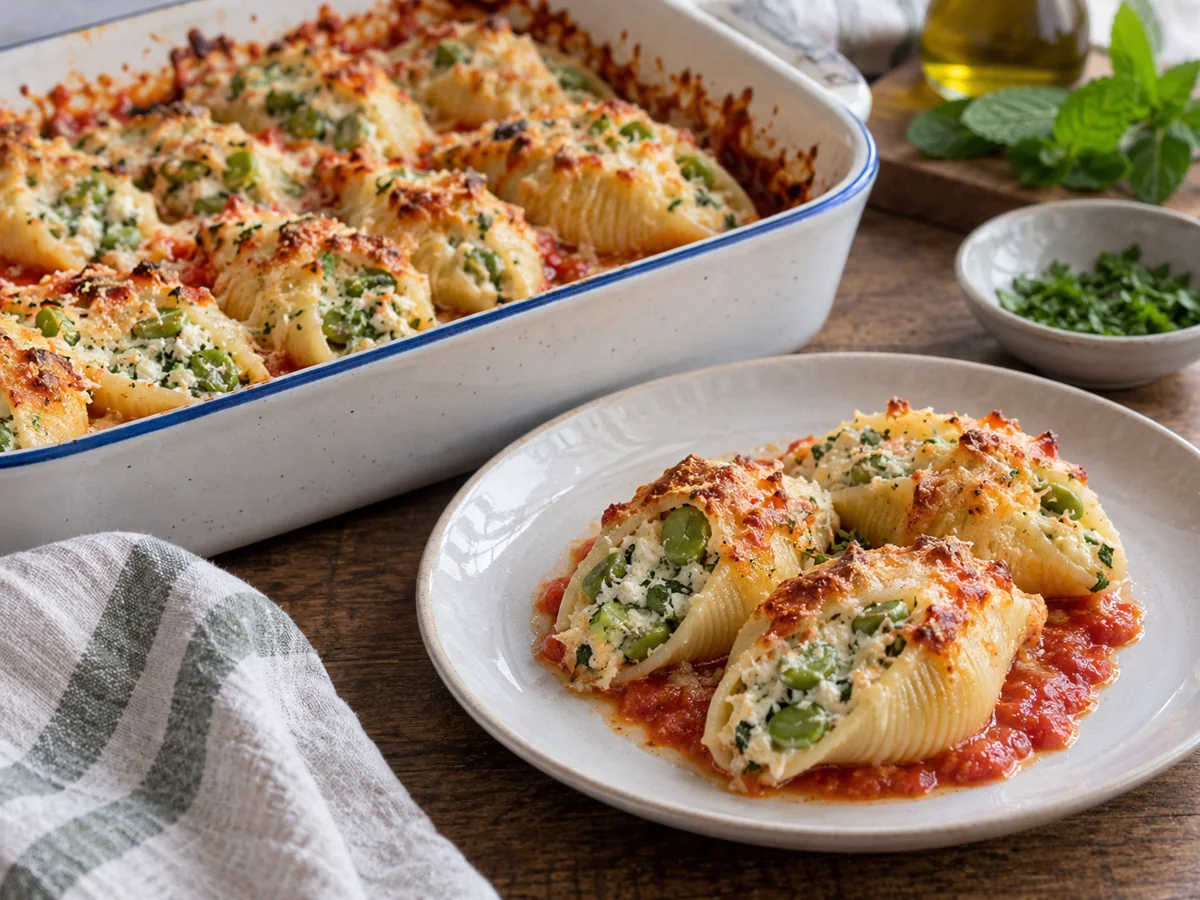
Large pasta shells hold a lemony broad bean and ricotta filling, baked in a light tomato sauce until the cheese is golden.

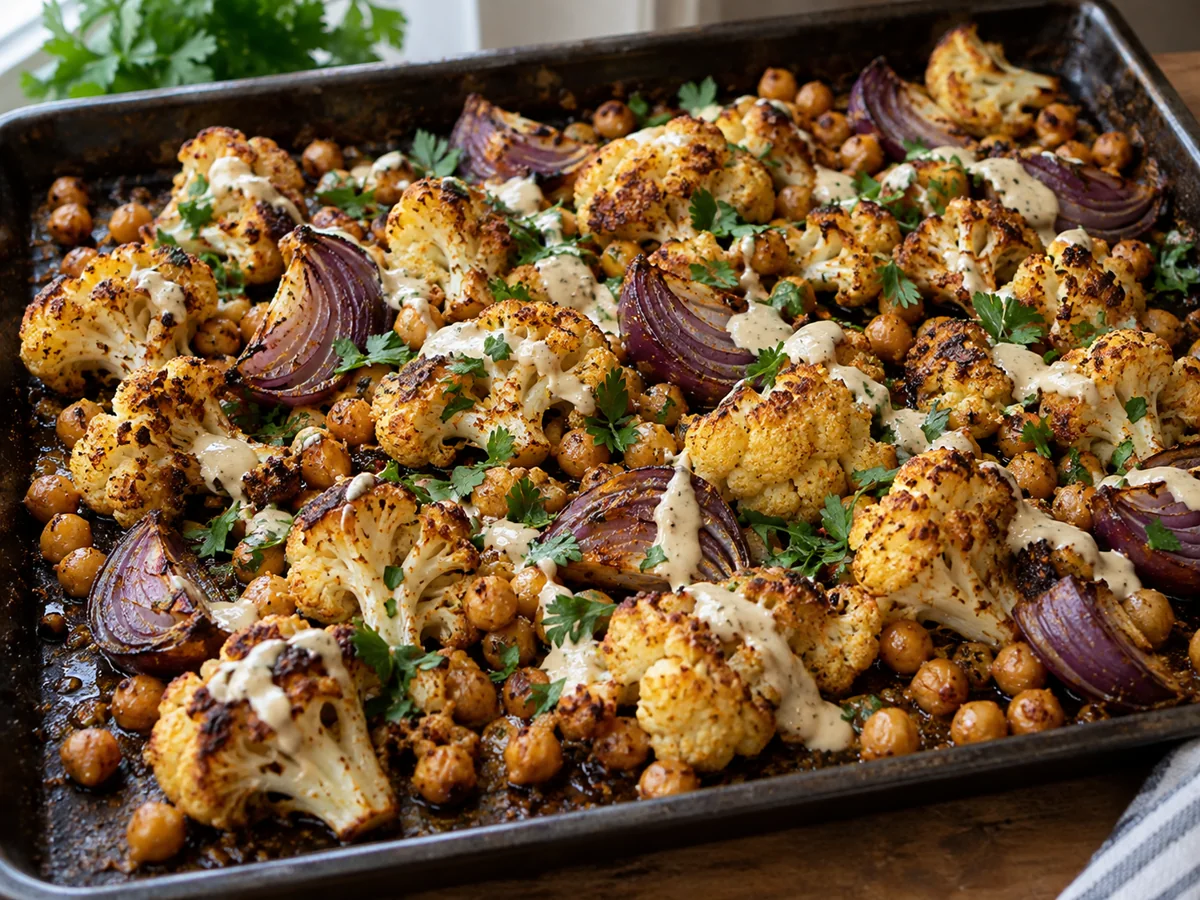
Cumin and coriander coat browned cauliflower and chickpeas; a sharp lemon tahini dressing brings the tray together.

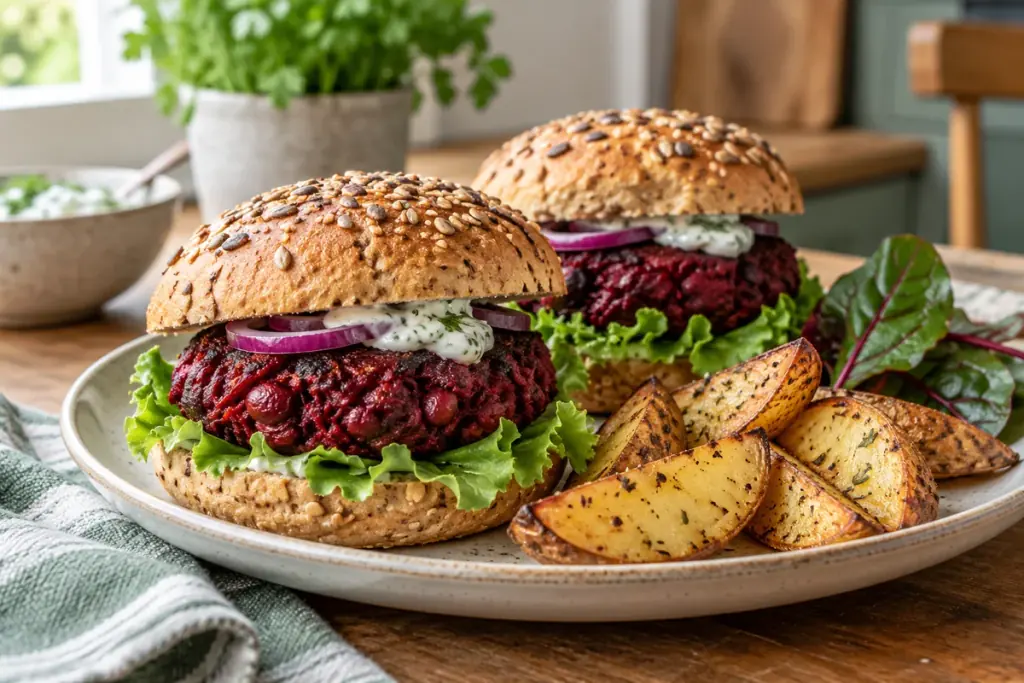
Grated allotment beetroot gives these crisp-edged kidney bean burgers a deep colour and earthy sweetness. Oats and flax bind the mixture without egg.

Roasted butternut squash and black beans make a hearty filling for corn tortillas baked in a gently spiced tomato sauce. It is a practical way to use a good-sized winter squash.

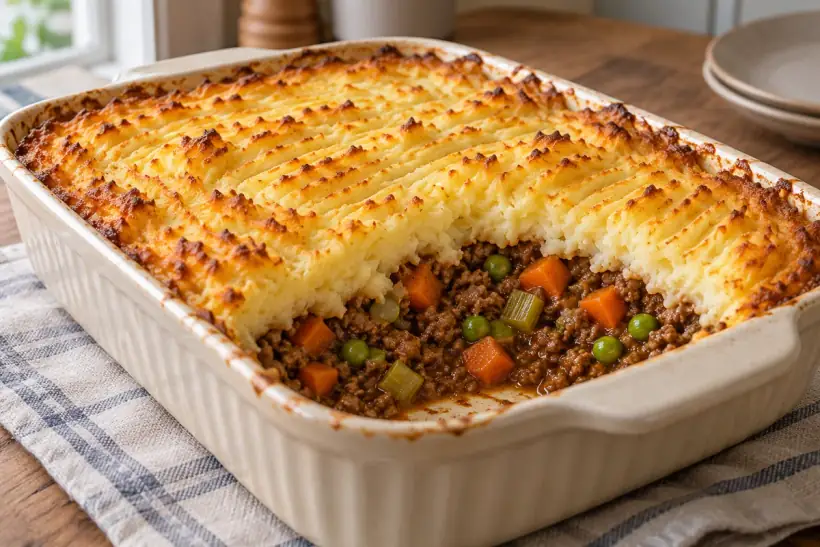
A proper beef cottage pie is a useful way to turn a harvest of carrots, peas and celery into a comforting family supper. The vegetables are finely diced into the savoury filling, while a forked potato topping browns in the oven.

This flexible chicken curry uses allotment tomatoes, onions, spinach, garlic and chilli in a gently spiced sauce. Add the leafy greens at the end so they stay vivid, and use a glut of ripe tomatoes to build the sauce from scratch.

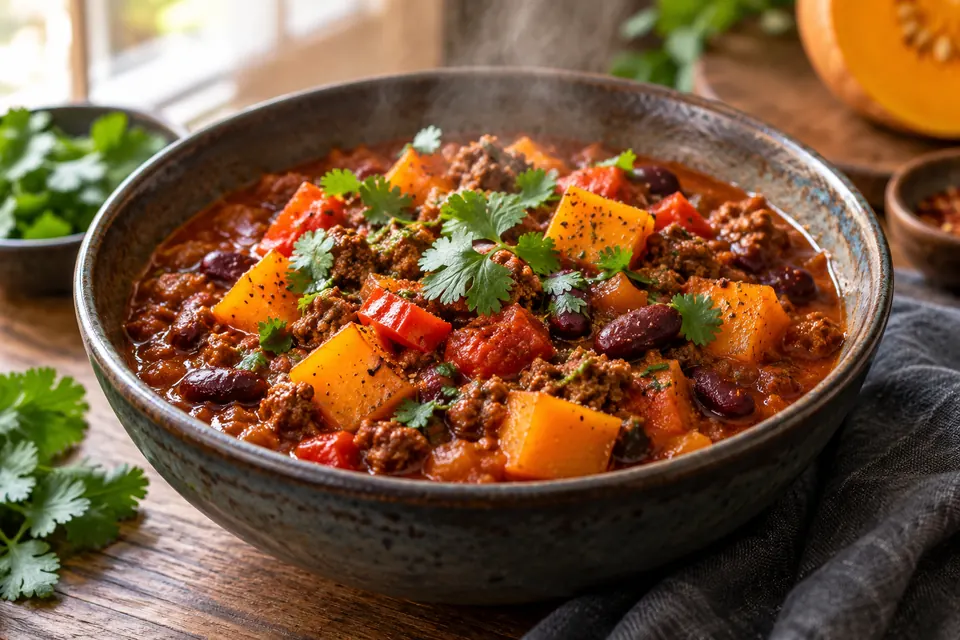
Beef mince, kidney beans and a slow tomato base make a hearty chilli, while pumpkin softens into sweet, substantial chunks. It is a useful autumn recipe for a sound squash and a late crop of allotment tomatoes or peppers.
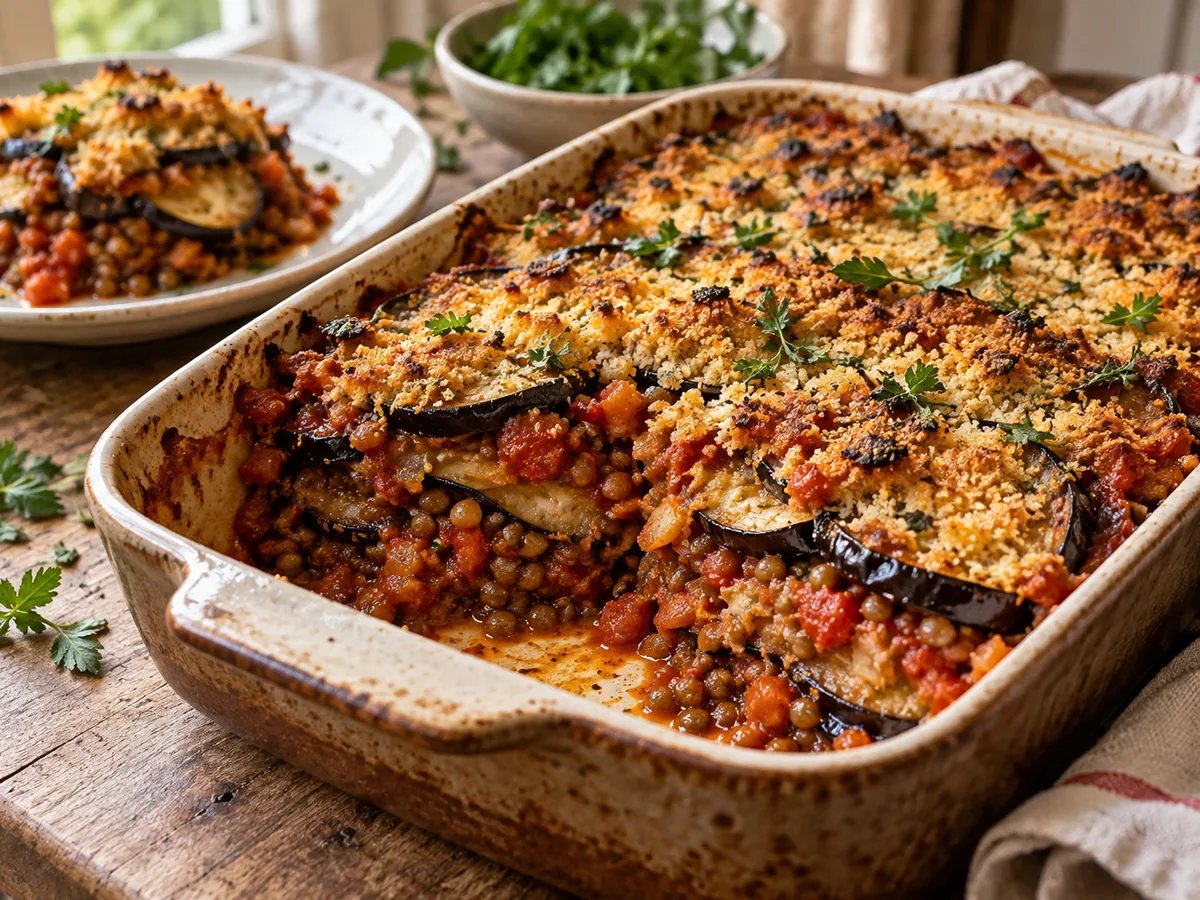
Roasted aubergine, lentils and a concentrated tomato sauce make a filling, entirely plant-based bake. It uses late-summer aubergines and tomatoes, while the lentils give the layers enough body to serve as a main meal.

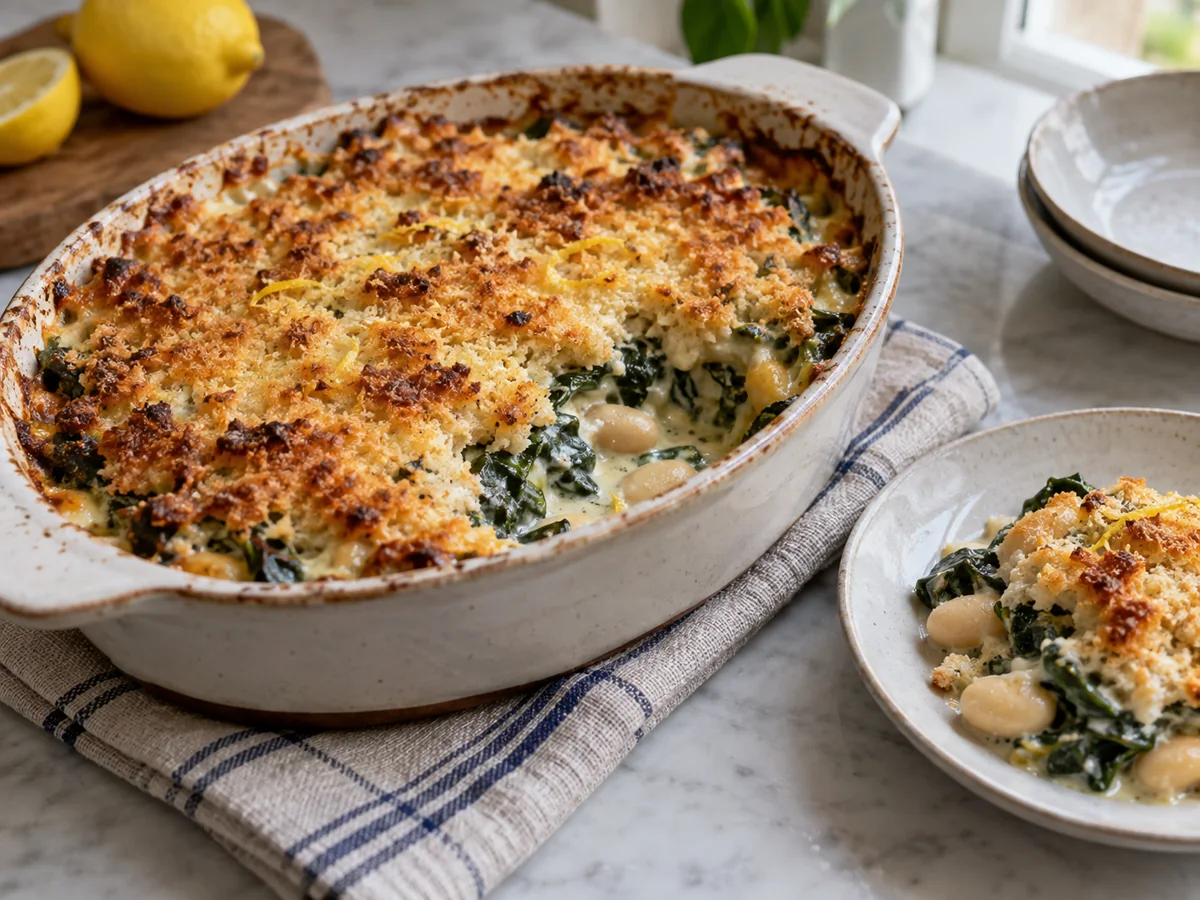
Tender chard and creamy butter beans bake beneath a crisp lemon-scented cheese crust.

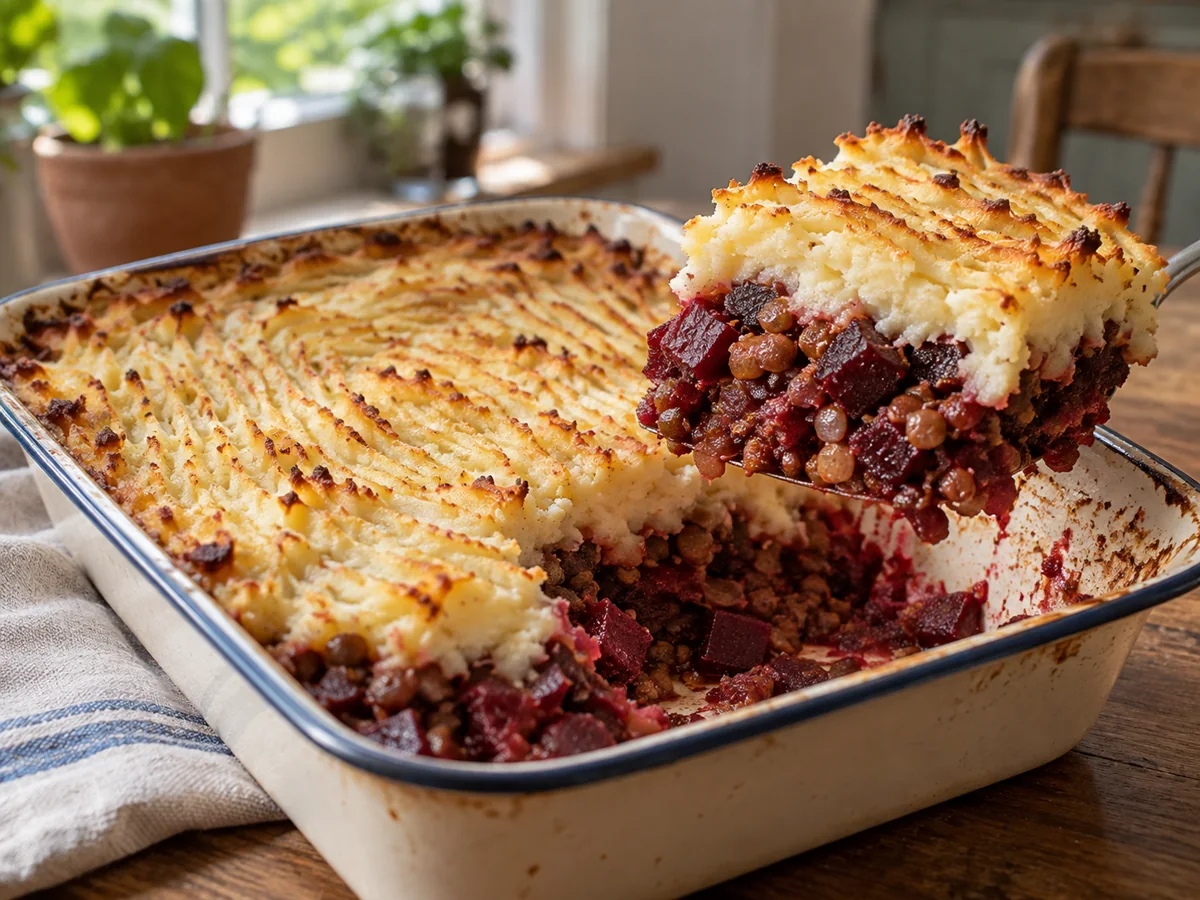
Earthy beetroot and lentils make a rich vegetable filling under a crisp, fluffy potato topping.

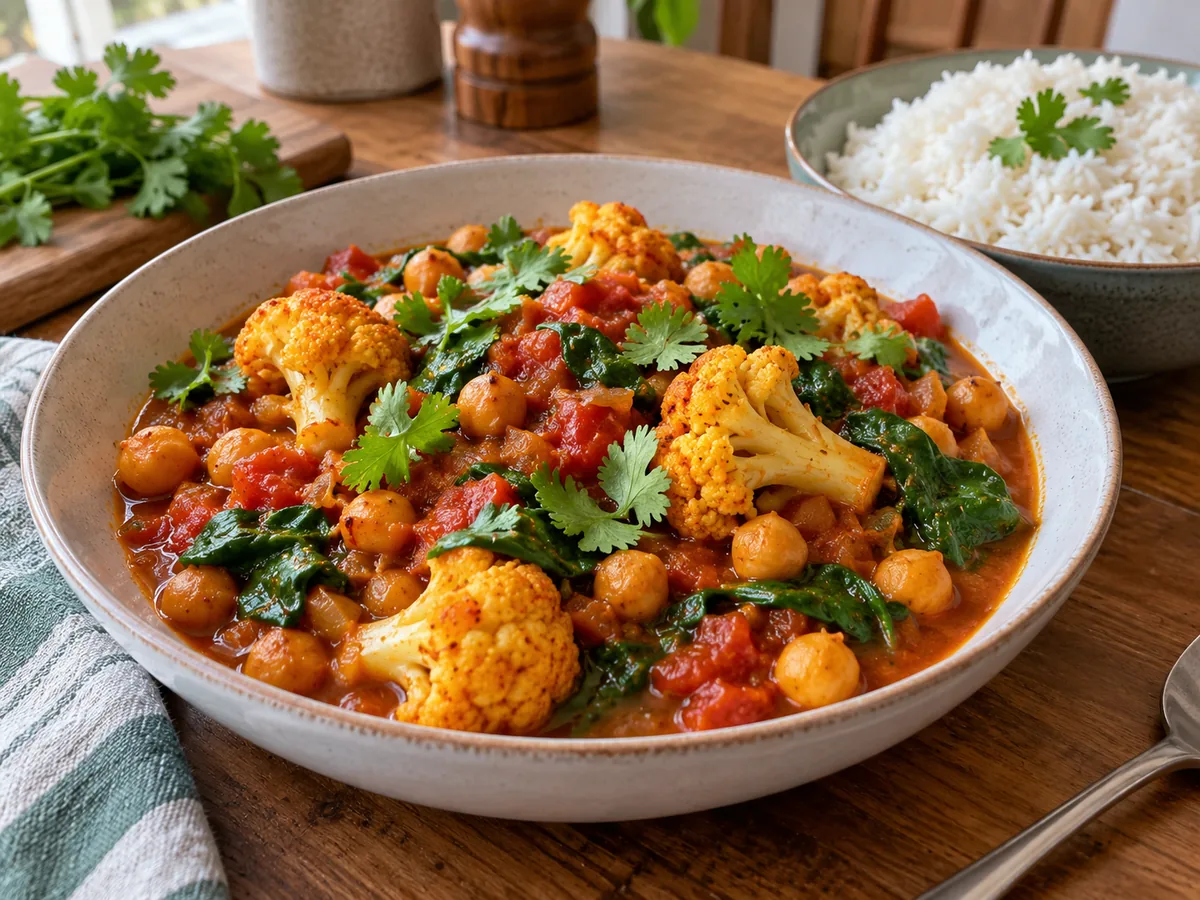
A gently warming, one-pan curry that pairs allotment cauliflower and spinach with chickpeas and a tomato-coconut sauce. The florets simmer just until tender, so they keep their shape rather than collapsing into the sauce.

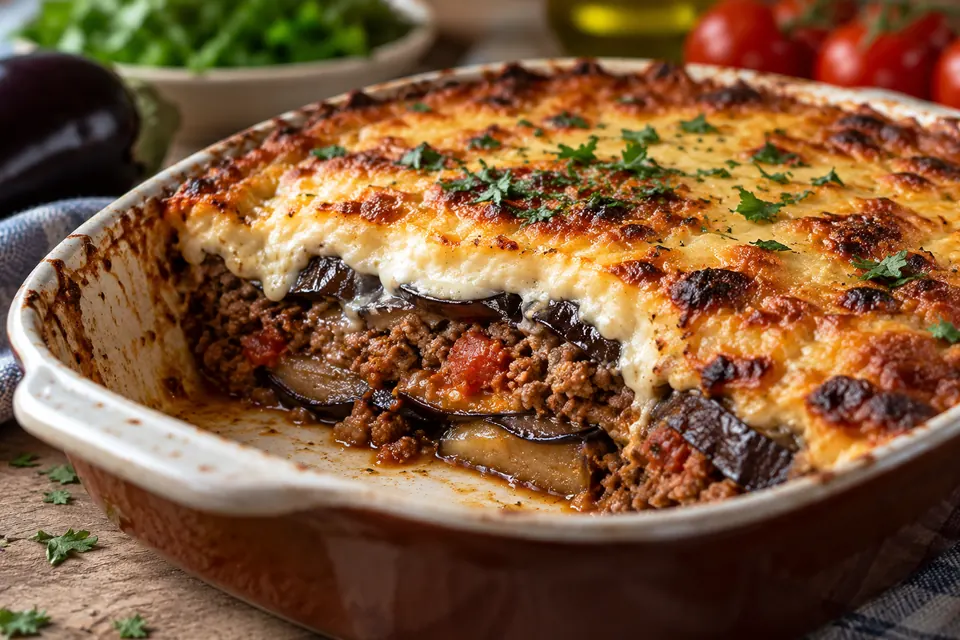
Layers of browned aubergine, gently spiced lamb and tomato are finished with a creamy béchamel crust. It is a rewarding way to use glossy homegrown aubergines from a warm greenhouse or polytunnel alongside ripe tomatoes and herbs.