 +
+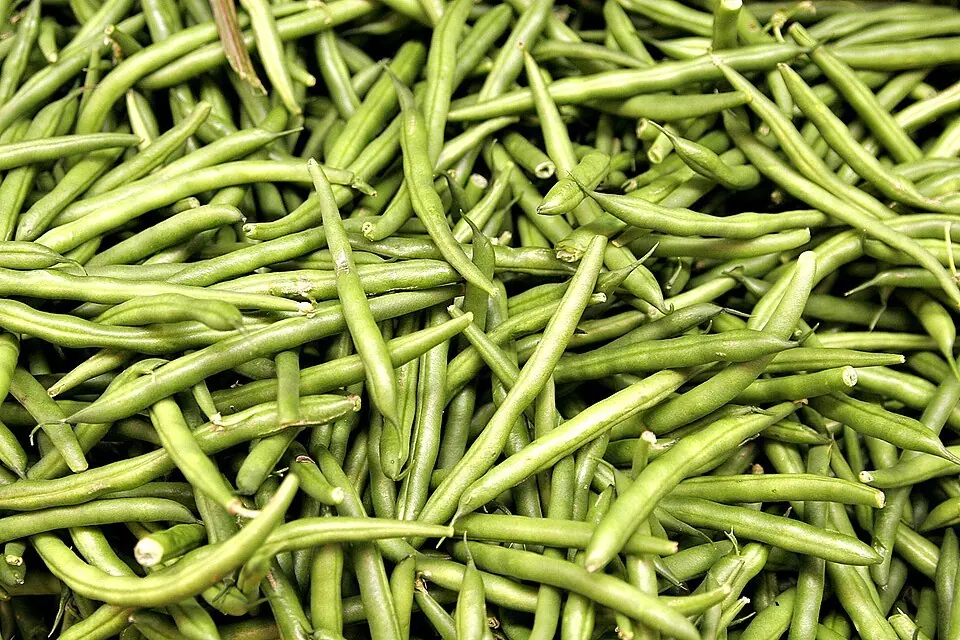
Sweetcorn + Climbing beans
SupportCorn can provide support if established first. Vigorous beans can overwhelm short corn; separate canes are safer on small plots.
Evidence: Traditional mixed planting
ALLOTMENT HUB UK
Explore plant pairings, their uses and the limits of the evidence.
 +
+Corn can provide support if established first. Vigorous beans can overwhelm short corn; separate canes are safer on small plots.
Evidence: Traditional mixed planting+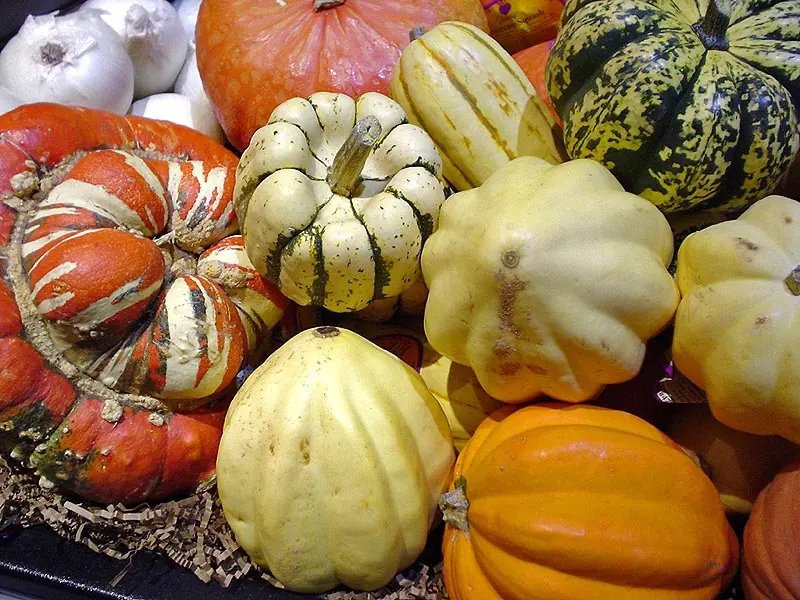
Squash foliage shades the ground, but both crops still need sufficient water, fertility and space.
Evidence: Practical benefit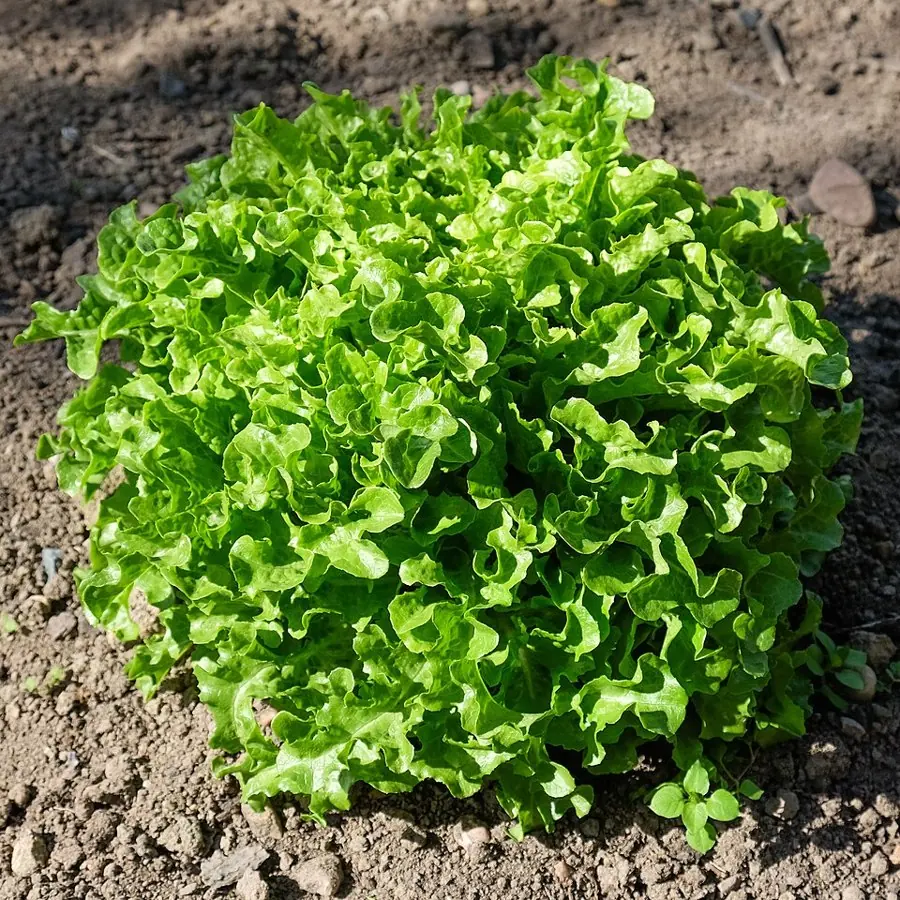 +
+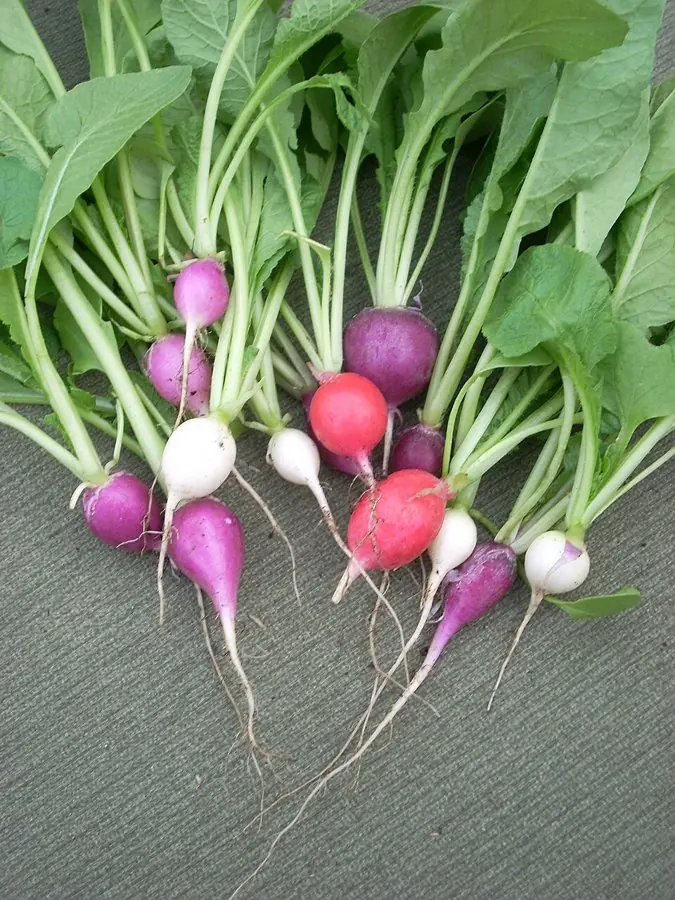
Quick radishes can be harvested before lettuce occupies the space. Avoid crowding.
Evidence: Practical benefit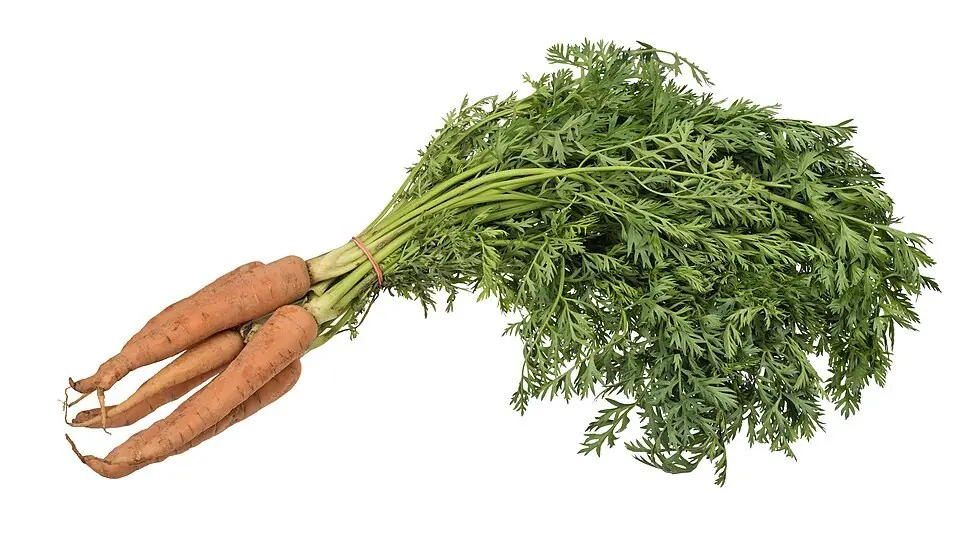 +
+A few quick radishes can mark slow carrot rows. Remove promptly to avoid competition.
Evidence: Practical benefit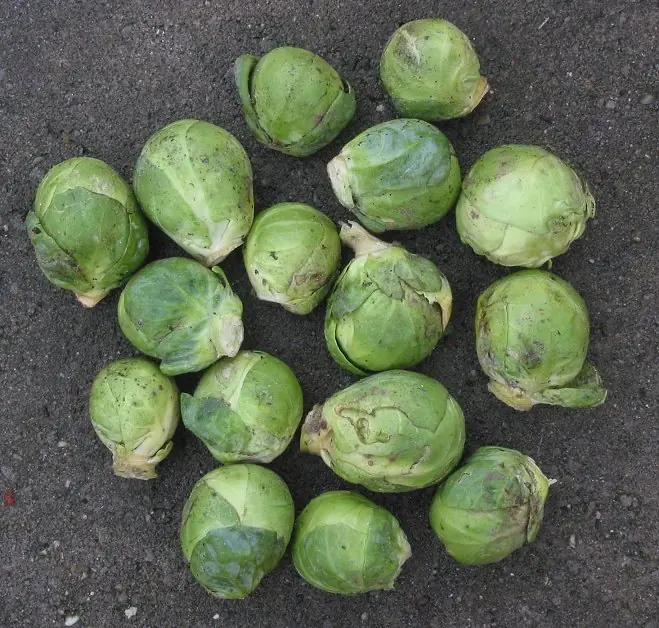 +
+An early lettuce crop can use the gaps before sprouts grow large.
Evidence: Practical benefit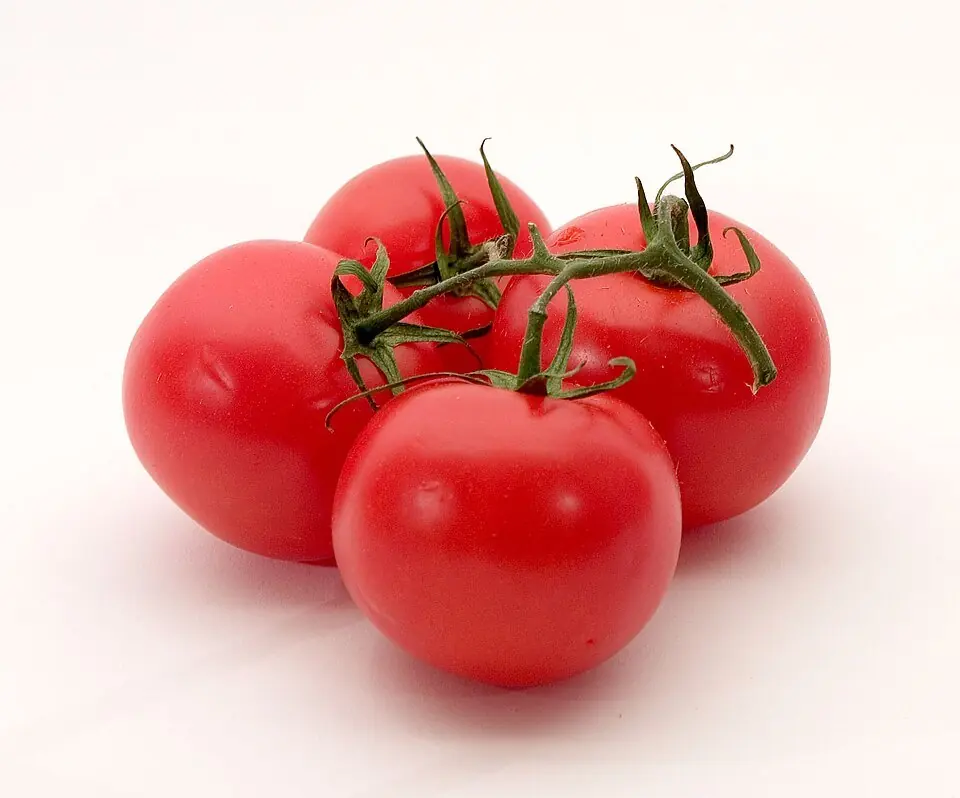 +
+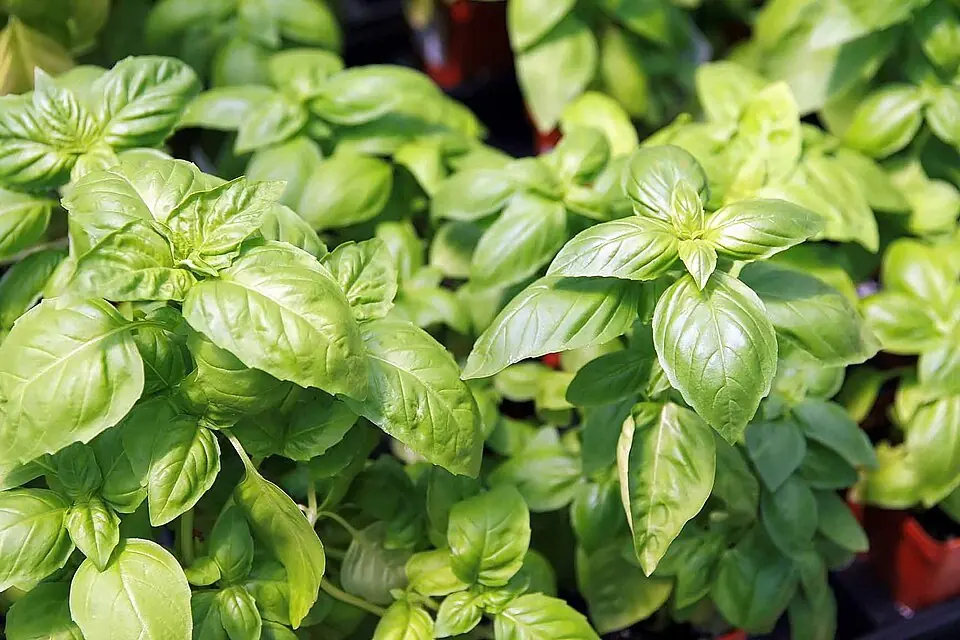
Both enjoy warmth. Keep basil out of deep shade; improved tomato flavour is not established.
Evidence: Practical benefit+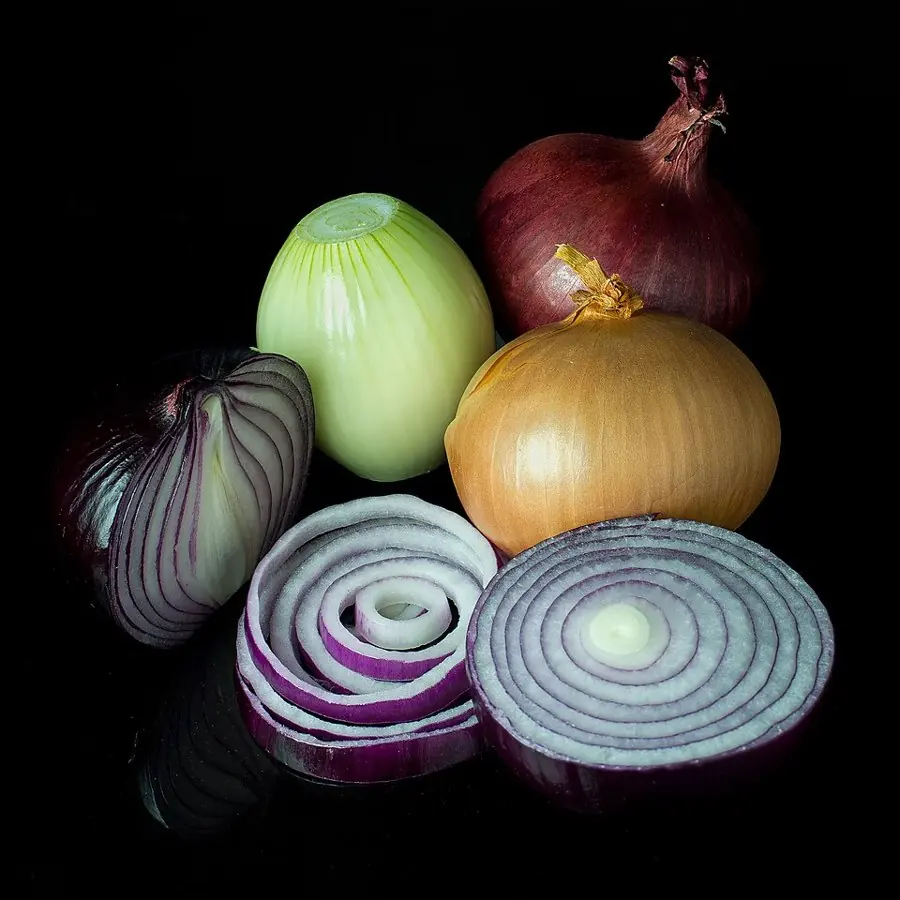
Scent masking is commonly claimed, but insect mesh is more reliable against carrot fly.
Evidence: Limited evidence+
Some protected-growing research supports whitefly effects; results depend on conditions. Not a guarantee.
Evidence: Context dependent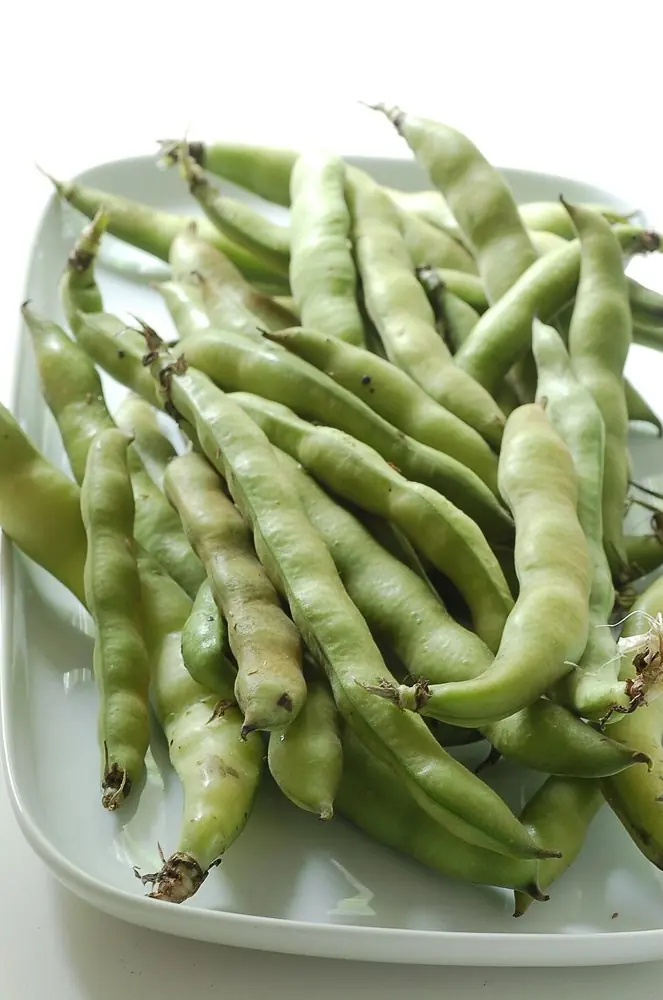 +
+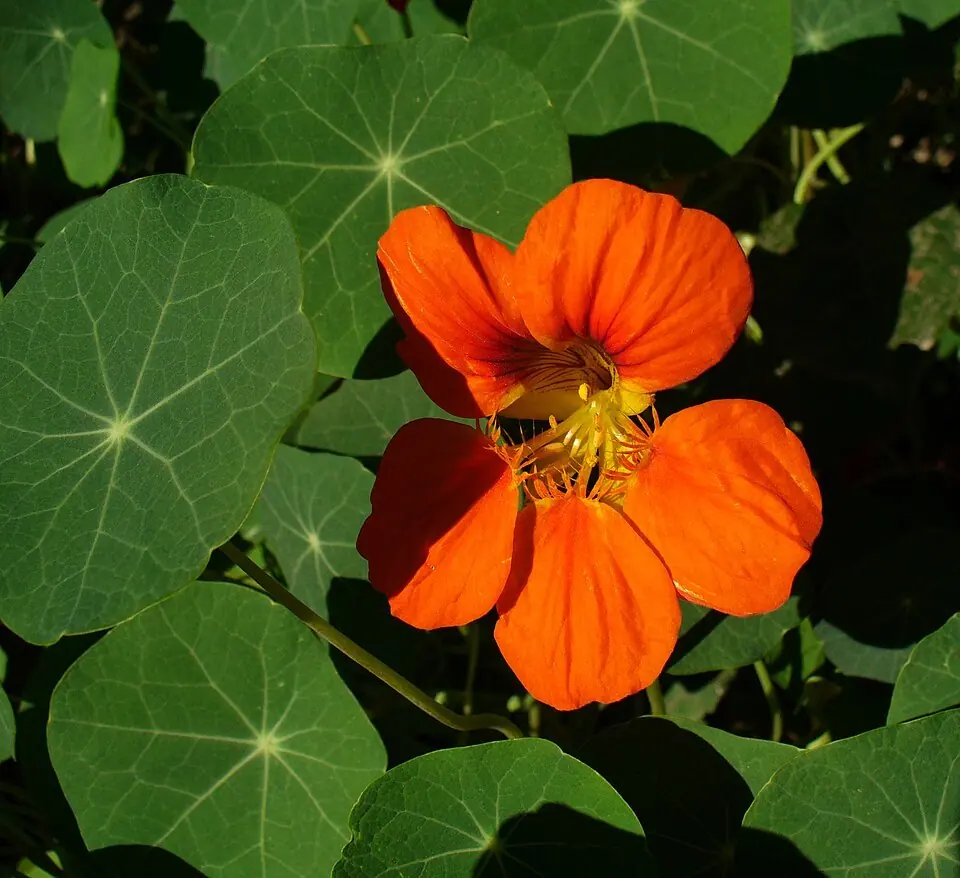
Often suggested as an aphid trap crop. Inspect both plants; it can also host pests.
Evidence: Limited evidence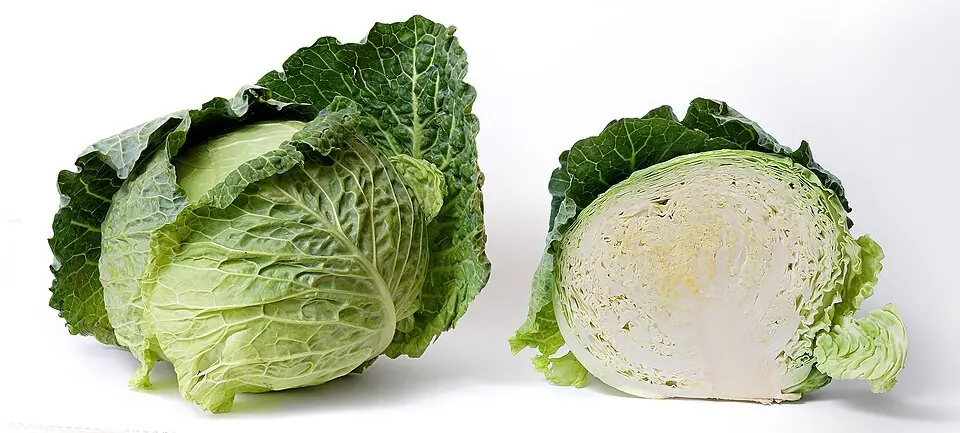 +
+A traditional suggestion for cabbage pests. Netting is a more dependable physical barrier.
Evidence: Limited evidence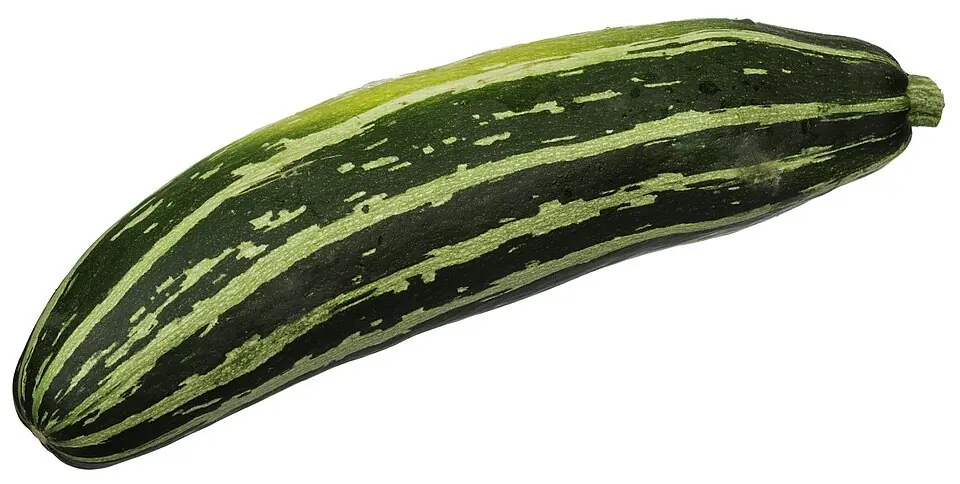 +
+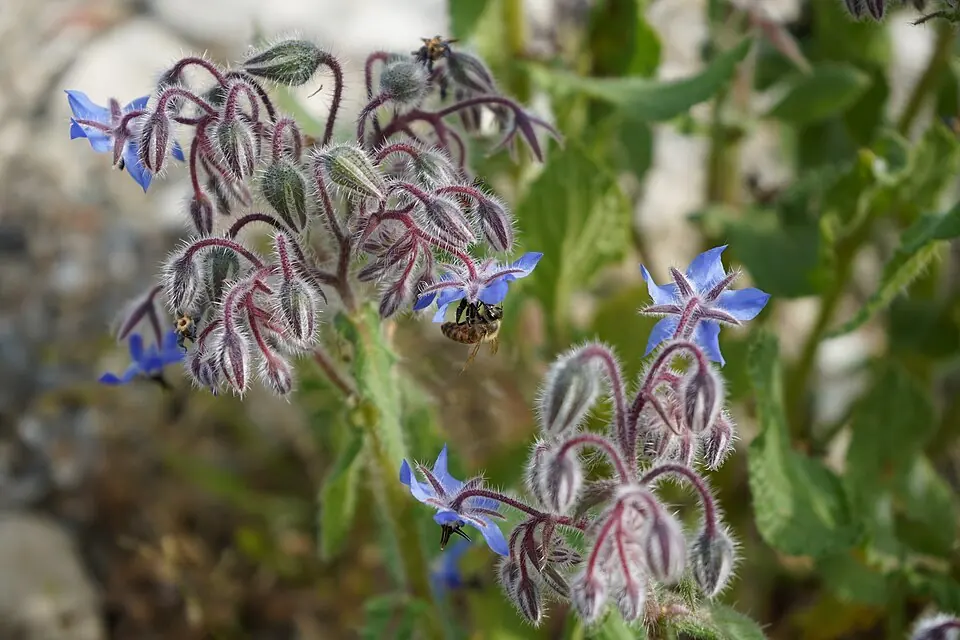
Borage flowers offer forage for insects; allow space and manage self-seeding.
Evidence: Practical benefit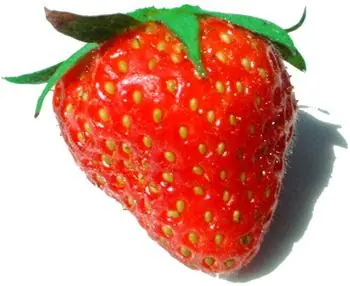 +
+Flowering plants can support visitors; greater strawberry yield is not guaranteed.
Evidence: Practical benefit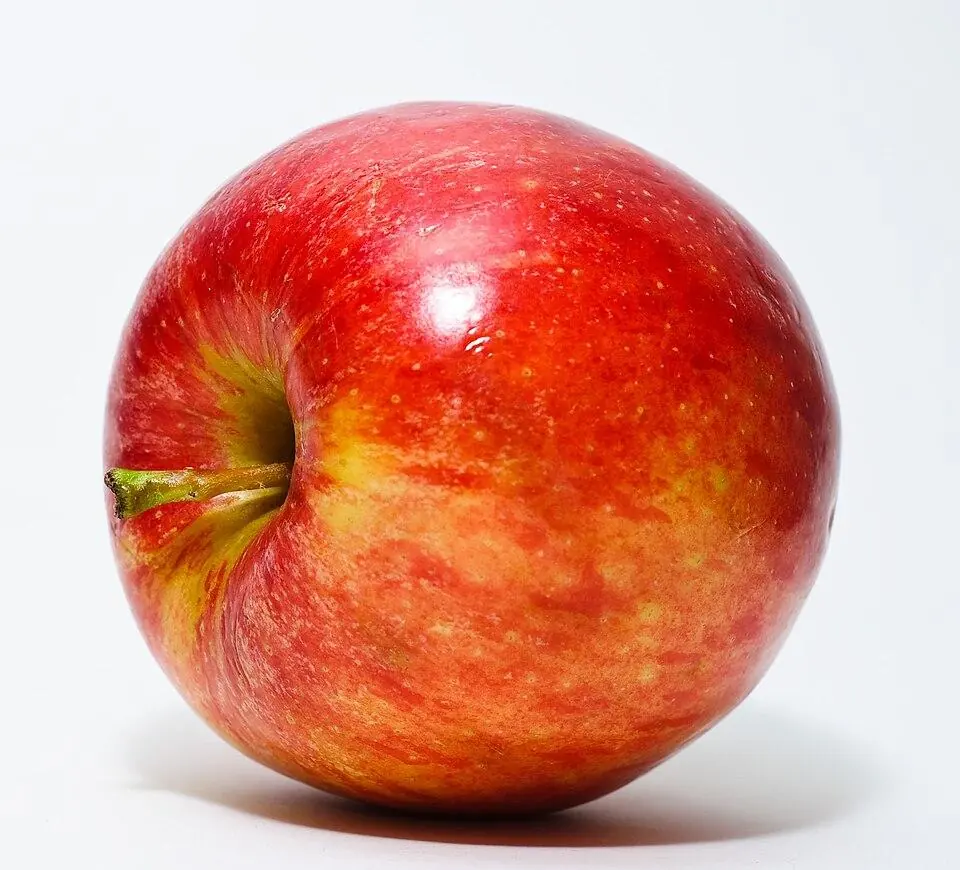 +
+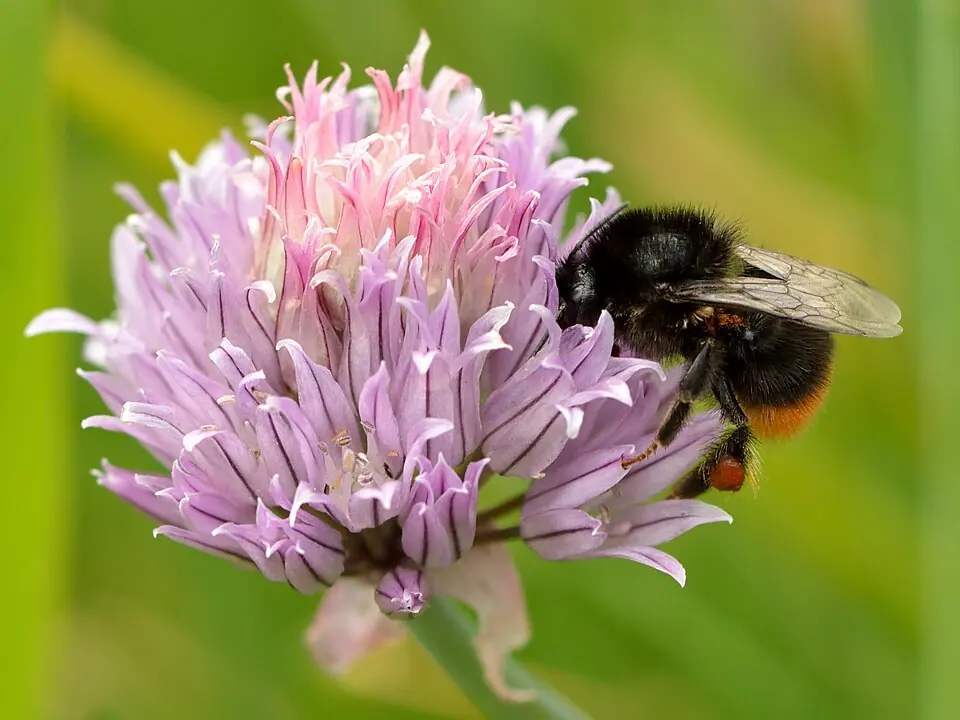
Chive flowers provide forage. Keep the immediate trunk area clear and avoid root competition.
Evidence: Practical benefit+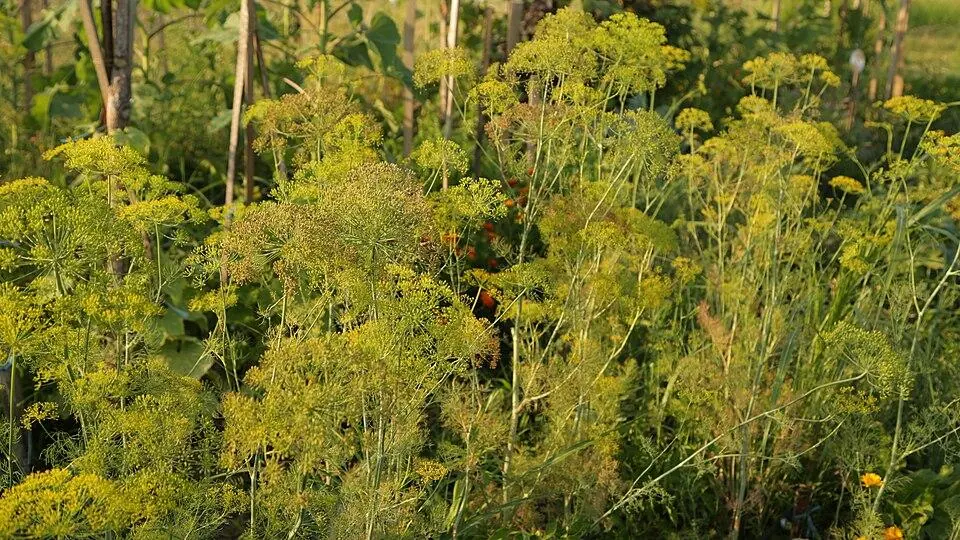
Dill flowers can provide nectar for beneficial insects; this does not guarantee pest suppression.
Evidence: Practical benefit+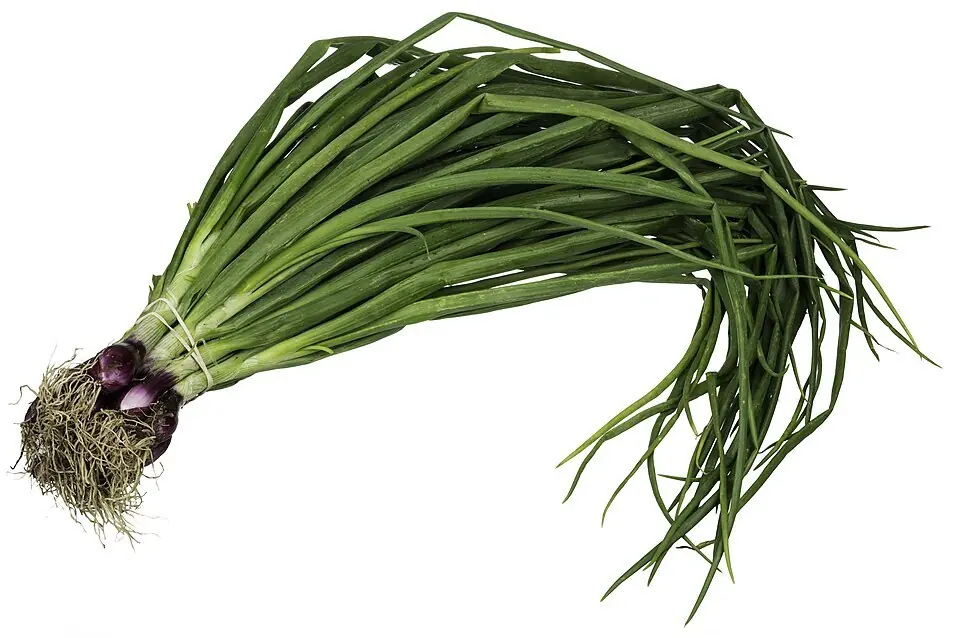
Different canopy shapes can share a bed if spacing is maintained.
Evidence: Practical benefit+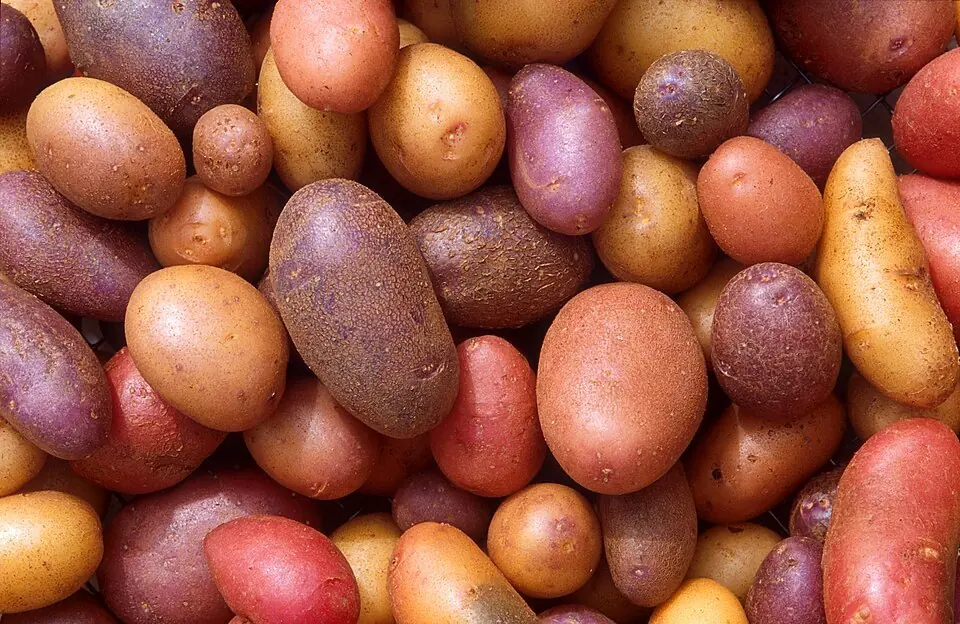
Both can suffer late blight. Monitor carefully and avoid a crowded, poorly ventilated planting.
Evidence: Established shared susceptibility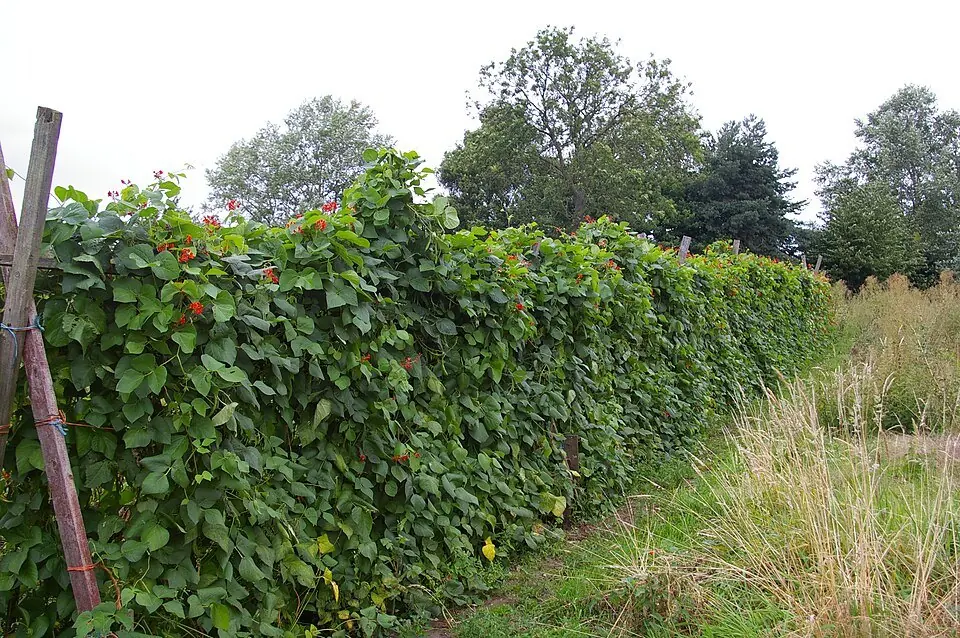 +
+
Sweet pea seeds are not edible. Keep them clearly separate from edible peas and beans.
Evidence: Food safety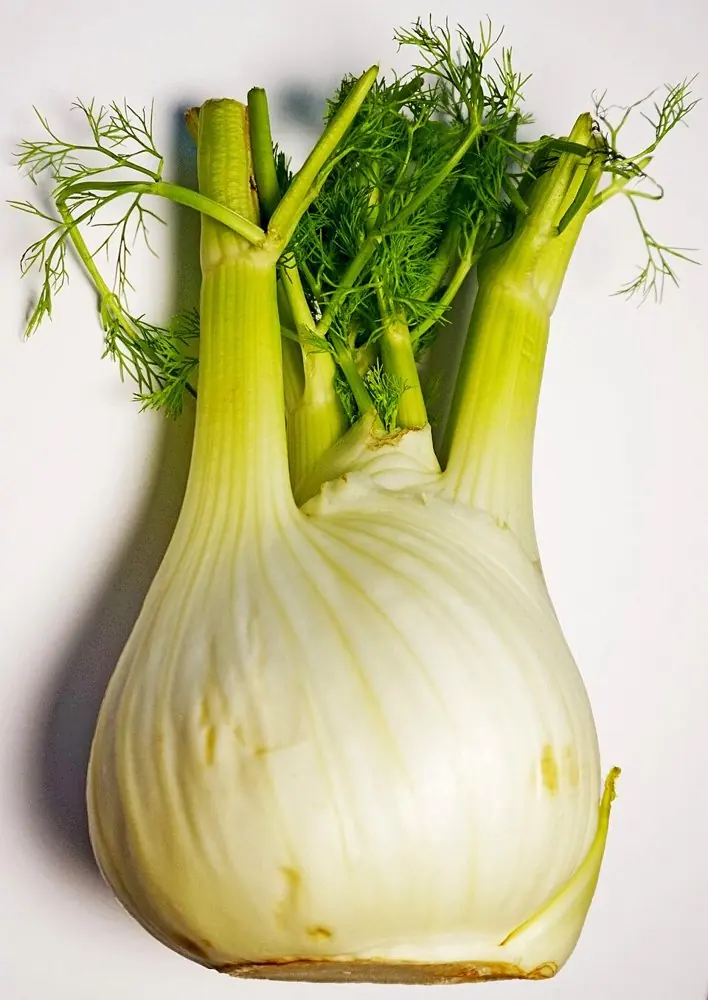 +
+Large fennel plants shade neighbours. Allow generous spacing; universal incompatibility claims are poorly supported.
Evidence: Practical benefitFurther reading: RHS companion planting. Database entries distinguish practical use from traditional claims.