
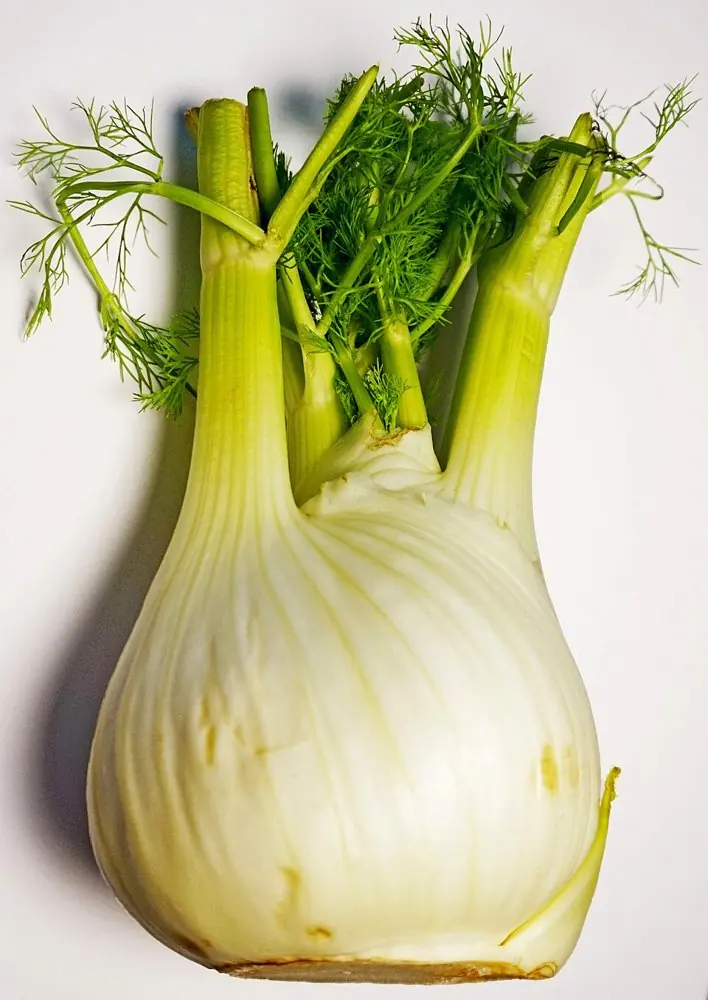
Florence fennel is different from herb fennel
Florence fennel is grown for its swollen, layered leaf bases, often called bulbs. It is not the same as perennial herb fennel, which is grown for foliage and seeds and does not form a bulb. Florence fennel needs a steady, warm growing period and can bolt when stressed by cold, drought, crowded roots or disturbance. In much of the UK, it is most useful as a summer-sown follow-on crop.
Choose a sunny, open position with fertile soil that retains moisture but drains freely. Incorporate mature compost before sowing if needed. Avoid freshly manured or very dry ground, and do not let nearby crops shade the young plants.
Sow with minimal root disturbance
Direct sow outdoors in early to midsummer once the soil is warm and the risk of cold checks is lower. Sow thinly about 1–1.5 cm deep in rows around 30 cm apart, then thin gradually to about 30 cm between full-size plants. Make a few smaller sowings several weeks apart rather than a single large row, so bulbs do not all mature together.
If you need an earlier start in a cooler region, sow one seed per module in late spring and transplant while plants are young. Harden them off first, keep the rootball intact and plant at the same depth. Florence fennel dislikes root disturbance, so avoid pricking out or moving established seedlings. Baby bulbs can be grown closer together, but they will be smaller.
Water and maintain the crop
Keep soil evenly moist while the bulbs swell. Check beneath the surface during dry weather rather than watering to a rigid timetable. Water at the base and mulch lightly after plants are established; containers dry quickly and need more frequent checks. Uneven moisture can produce small, tough bulbs and encourage bolting. A balanced feed may help on poor soil, but rich nitrogen feeding is not a remedy for drought or poor timing.
Hoe carefully while weeds are small, staying clear of the shallow crown. Most modern varieties do not need traditional earthing up; where a variety description recommends blanching, draw a little soil around the base without covering the growing point. Inspect for slugs on seedlings and aphids on foliage. Remove any plant that has sent up a flower stem because its bulb is unlikely to remain tender.
Harvest and troubleshoot
Harvest when the swollen base has reached a useful size for the variety, commonly around tennis-ball size, before it becomes coarse or starts to split. Cut at soil level with a clean knife. Smaller bulbs are tender and perfectly usable. The leafy fronds can be used as a herb, but the harvested bulb does not store for long; refrigerate and use promptly.
If plants bolt, review sowing date, cold exposure, crowding, root disturbance and moisture. If no bulb forms, the cause may be a crop grown too early or late, insufficient water, an unsuitable variety or excessive shade. There is no reliable rescue once the plant has flowered; adjust timing and site next season.
Common mistakes
- Sowing too early into cold soil and exposing young plants to a cold check.
- Transplanting seedlings roughly or allowing module roots to become congested.
- Letting the bed dry while the bulbs swell, then trying to correct it with one heavy watering.
- Confusing Florence fennel with herb fennel, which has a different growth habit and purpose.