
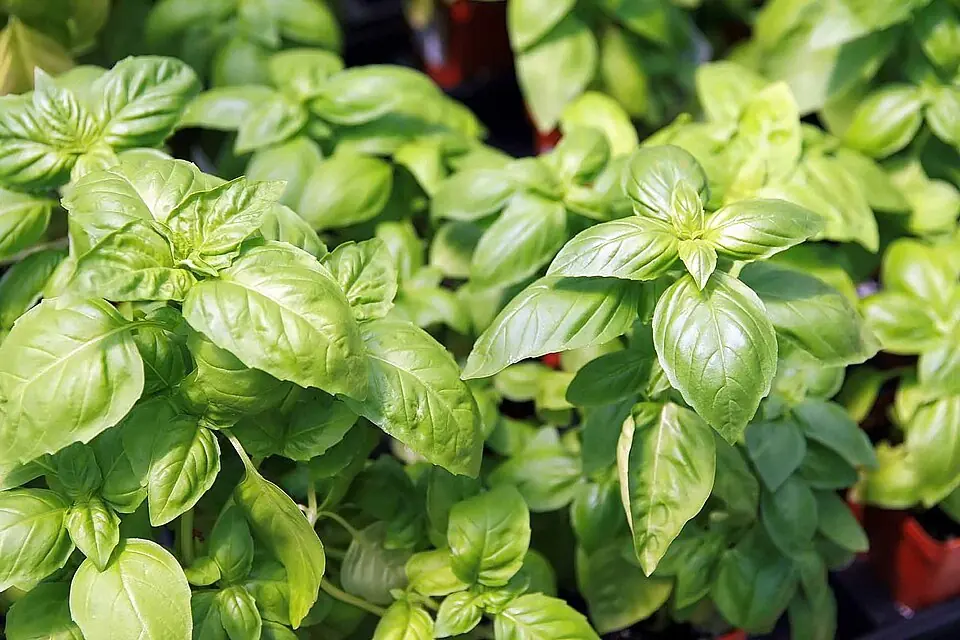
Group herbs by life cycle and growing needs
Culinary herbs are not one crop with one set of needs. Annuals such as basil, coriander and dill are usually raised from seed and harvested for leaves before or around flowering. Parsley and chervil are commonly biennial. Perennials include chives, mint, oregano, sage, thyme, tarragon and rosemary, though hardiness varies. Plant labels and seed packets clarify the species and cultivar.
Most herbs do well in sun and free-draining soil, but their moisture needs differ. Mediterranean herbs such as thyme, rosemary, sage and oregano prefer drainage and are harmed by persistently wet winter soil. Parsley, coriander, chives and mint prefer more even moisture. Mint spreads vigorously and is usually easier to control in a pot or a contained bed.
Sow, plant and position
Sow annual herbs in small batches so plants do not all mature at once. Coriander and dill can be sown successionally from spring into summer; hot, dry conditions often make them flower sooner. Basil is tender: start it indoors in warmth and plant outside only after nights are reliably mild, or keep it under cover. Parsley can be slow and uneven to germinate, so keep seed compost moist and label the tray.
Plant perennial herbs in spring or early autumn while soil is workable. Improve heavy soil with a raised, well-drained position rather than adding large amounts of grit to a small planting hole. Space according to mature size and keep spreading mint separate. Container growing is useful for tender herbs and for moving plants under cover, but pots dry faster and may need winter insulation.
Water, prune and harvest
Water new plants while they establish. After that, water according to the herb, soil and weather: mint, parsley and leafy annuals need more consistent moisture than established rosemary and thyme. Check pots regularly in warm weather. Avoid leaving Mediterranean herbs in saturated compost, especially in winter.
Pick leaves little and often once plants are established, taking no more than a third of a plant at one time. Pinch leafy annuals to encourage branching and delay flowering where useful. Cut chives near the base to encourage fresh leaves. Trim woody perennials lightly after flowering or harvest to keep a compact shape, but avoid cutting hard into old bare wood unless the species tolerates it. Stop heavy cutting as growth slows in autumn.
Pests, winter care and preserving herbs
Aphids, slugs, rosemary beetle, mint rust and powdery mildew affect some herbs. Identify the plant and pest before taking action. Remove badly affected leaves, improve airflow, avoid crowding and clean tools. Do not routinely spray edible leaves; any plant protection product must be authorised for the specific crop and used exactly as its label directs.
Protect tender basil from cold nights and keep it growing in bright conditions. Many hardy herbs remain outside, but rosemary in exposed or cold sites may benefit from a sheltered position or container protection. Harvest surplus in dry weather. Dry or freeze suitable herbs promptly, label them, and store dried leaves airtight away from light. Flavour and best storage method vary by herb.
Common mistakes
- Putting every herb into rich, wet soil, which can harm rosemary, thyme and sage.
- Letting mint spread through a vegetable bed instead of containing it.
- Sowing coriander or dill once and expecting a continuous supply through summer.
- Cutting woody herbs back into old leafless stems or harvesting too heavily before winter.