
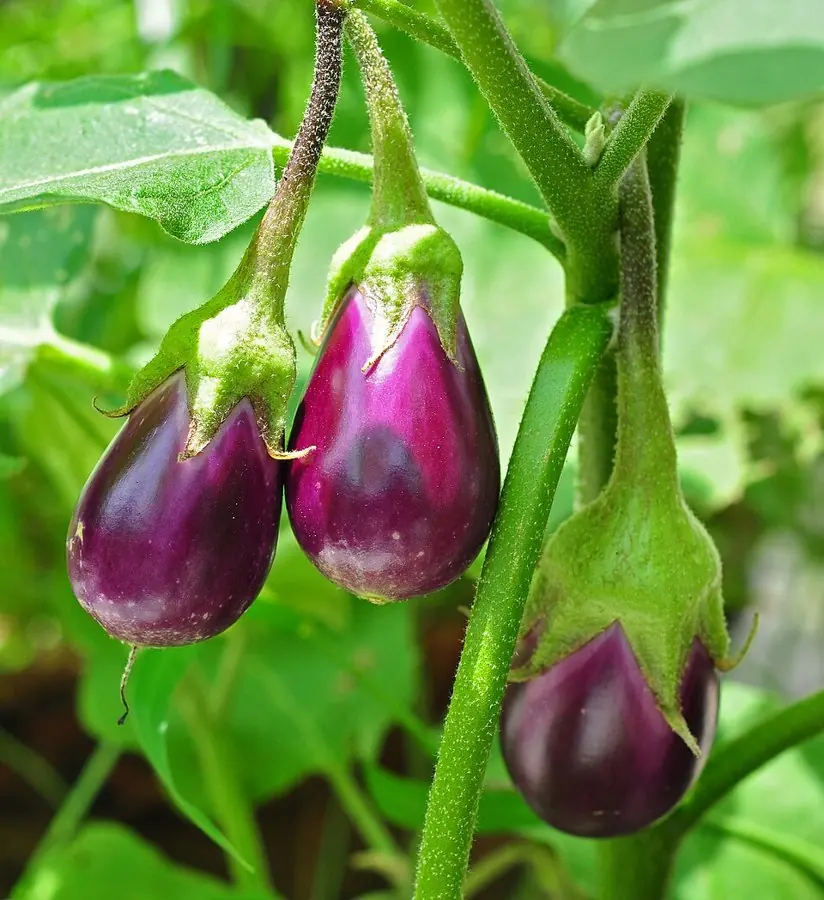
Give aubergines a long, warm season
Aubergines need more warmth and time than many outdoor vegetables. In most of the UK, a greenhouse, polytunnel or very warm sheltered patio gives the most reliable results. Outdoor plants can crop in a mild, sunny location, but a cool summer may leave fruit small or unripe. Choose a compact or early variety if your protected season is short.
Sow indoors from February to March for a long season, or in April if you do not have strong supplementary light. Use fresh seed compost and keep it warm, around 20–25°C, until germination. Seeds can be slow and uneven. Once shoots appear, move seedlings into bright light and slightly cooler conditions so they grow sturdy rather than stretched.
Pot on and plant after frost risk
Pot seedlings on when they have a few true leaves, handling them by a leaf rather than the stem. Keep the compost evenly moist, not waterlogged, and grow plants on in warmth. Harden them gradually before moving outdoors or into an unheated structure. Do not rush tender plants into cold spring soil simply because daytime weather feels mild.
Plant after frost risk has passed, normally from late May into June depending on region and shelter. Use a fertile, moisture-retentive but free-draining growing medium. A container should be large enough to hold moisture through warm weather; place it in the sunniest position available. Space plants so leaves can dry and air can move around them.
Water, feed and support consistently
Aubergines have a small root system relative to their leafy growth and can wilt quickly in pots. Check containers daily in hot weather and water at the base when the surface begins to dry. Avoid repeated cycles of severe drying and flooding. Once flowers and fruit are forming, feed container plants with a suitable high-potash liquid feed according to its label; rich soil-grown plants may need less.
Tie stems loosely to canes before fruit becomes heavy. Pinching out a growing tip is optional: it can encourage branching, but may delay cropping in a short northern season, so follow the variety’s habit and keep enough time for fruits to mature. Ventilate greenhouses on warm days while avoiding cold draughts at night.
Troubleshoot slow fruiting and harvest at the right stage
If flowers drop without setting, check temperature, light and watering first. Cold nights, a dull summer or a pot that dries out are common reasons for poor fruiting. Under cover, inspect leaf undersides for aphids, whitefly and spider mites; improve airflow and remove badly affected leaves. Do not use broad insecticide sprays around pollinators.
Pick fruit when it has reached the variety’s mature size and the skin is glossy, but before it becomes dull and the seeds harden. Cut with secateurs because the stems can be tough and may have small prickles. As autumn approaches, remove very small late fruit so the plant’s remaining energy goes into fruit with a realistic chance of ripening.