
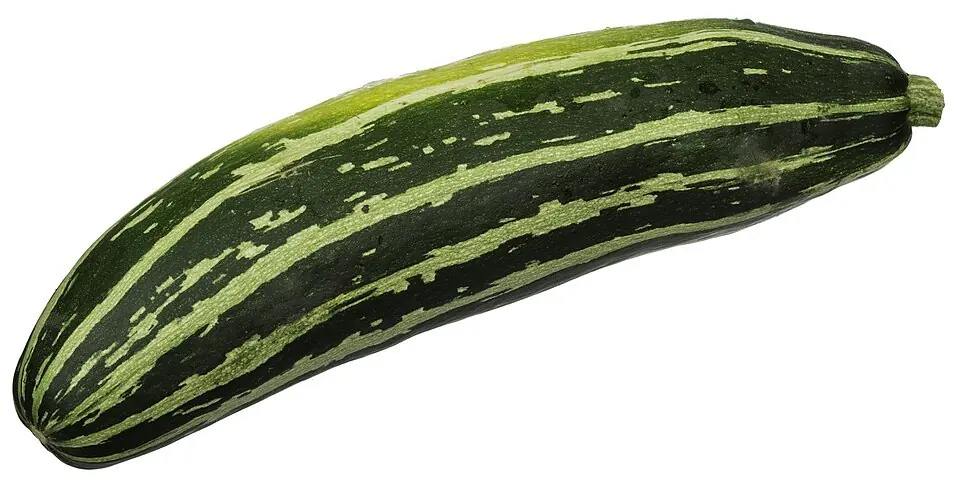
Sow tender plants at the right time
Courgettes, pumpkins and squash need warmth and are damaged by frost. For an early start, sow individually in pots indoors in April or early May, about 2–3 cm deep, and keep them bright and warm. Avoid sowing too early if you have nowhere to grow large seedlings on. Direct sow outdoors from late May or June only once the soil is warm and local frost risk has passed.
Harden indoor-raised plants gradually before planting out. A cold frame, cloche or fleece can help them settle, but ventilate covers on warm days. In northern, upland or exposed gardens, delay planting or keep plants under cover longer. Choose a variety whose final size suits the space rather than assuming every squash will stay compact.
Give each plant room and rich soil
Choose a sunny, sheltered position with fertile soil that holds moisture but does not stay waterlogged. Mix mature compost into the planting area or mulch the surface before planting. Courgettes often need around 90 cm between plants; trailing pumpkins and squash may need 1.5–2 m or more. Compact or climbing varieties can make better use of a small plot, but still need access for watering and picking.
A large container can suit a compact courgette or squash if it has drainage and enough compost to stay moist. Train climbing types onto a sturdy support and secure heavy fruit in a sling. Protect young plants from slugs and snails, which can remove leaves before the plant establishes.
Water consistently and understand pollination
Water deeply at the base during dry spells and mulch after the ground is moist. Container plants may need daily checks in hot weather. Once fruit begins to swell, feed only as appropriate for the soil or container and follow the product label. Avoid repeated shallow watering that leaves deeper roots dry.
Plants produce separate male and female flowers. Bees usually transfer pollen outdoors. Under cover, or during cold wet weather with few pollinators, a female fruit may start to grow then shrivel if it was not pollinated. Hand pollination is optional: transfer pollen from a newly opened male flower to the centre of a female flower. Poor fruit set can also follow cold weather, so check conditions before assuming a disease.
Pick courgettes small; mature squash before frost
Pick courgettes regularly while they are small and tender, often around 10–15 cm depending on variety. Leaving oversized fruits on the plant slows further cropping. Use a knife or secateurs to avoid tearing the stem. Remove diseased leaves with clean tools, but keep enough healthy foliage to feed the fruit.
Harvest pumpkins and winter squash before the first hard frost, when the skin is firm and the stem has begun to dry or cork. Cut with a short length of stalk attached and handle gently. Cure sound fruits in a warm, dry, airy place if the variety benefits from curing, then store them frost-free and inspect regularly. Summer squash has a shorter storage life and is best used promptly.