
Make habitat part of the plot plan
A wildlife-friendly allotment can support pollinators and natural predators while remaining productive. Start with small features that fit site rules: a strip of flowers, a shallow water source, a log pile or an undisturbed corner. Keep paths and working beds accessible, and avoid placing habitat where it shades crops or blocks a neighbour’s access.
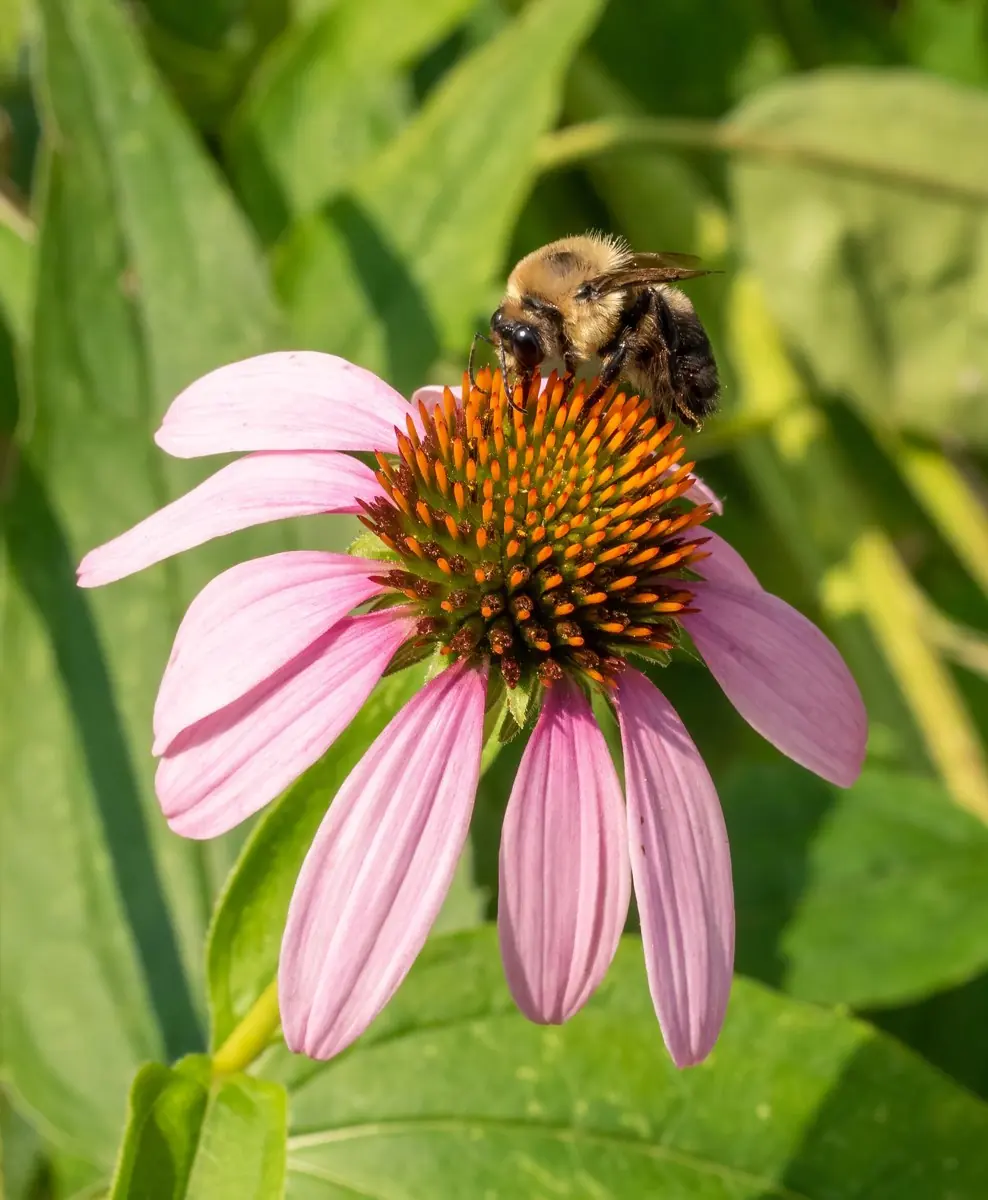
Choose a range of flowers with different shapes and flowering periods, favouring plants suited to local conditions. Native plants can support a wide range of wildlife, but a mix of well-chosen garden flowers can also provide nectar and pollen. Avoid invasive species and check allotment rules before planting trees, ponds or permanent structures.
Provide water and safe shelter
A shallow dish with stones or sloping sides gives insects a place to drink without a deep open container. Refill it during dry spells and clean it periodically. A small wildlife pond can be valuable where permitted, but include a safe way out for animals and avoid introducing non-native plants or animals.
Log piles, hollow stems and leaf litter provide shelter for insects and other small wildlife. Place them away from the immediate base of vulnerable seedlings and avoid disturbing occupied refuges. Leave some seed heads standing over winter, while clearing diseased crop material that could carry serious plant problems.
Protect wildlife while managing pests
Regular inspection helps distinguish crop damage from harmless visitors. Hand-pick slugs, use crop covers and remove badly affected leaves where practical. Encourage birds, ladybirds, hoverflies and other predators, but do not assume they will control every pest. Companion planting and flowers can improve habitat; they are not guaranteed pest repellents.
Use netting only when it is fit for purpose, taut and checked frequently. Large, loose mesh can entangle birds and hedgehogs. Secure it over a frame, keep edges from trailing on the ground, inspect after wind and remove it when no longer needed. Follow product labels and avoid broad-spectrum sprays, especially when crops are flowering.
Build a balanced, resilient plot
Leave a modest area for flowers or a rough corner, but keep weeds that spread aggressively under control. Nettles and brambles may have wildlife value in some settings, yet they can take over a small allotment or breach site rules. A managed patch is more realistic than allowing every edge to grow unchecked.
Observe which insects visit and when. Add flowering plants to fill seasonal gaps and adjust the layout so beneficial habitat does not compete with crops for light and water. The most reliable pest prevention still comes from healthy plants, suitable rotation, barriers and timely checks; wildlife adds diversity and resilience alongside those measures.