
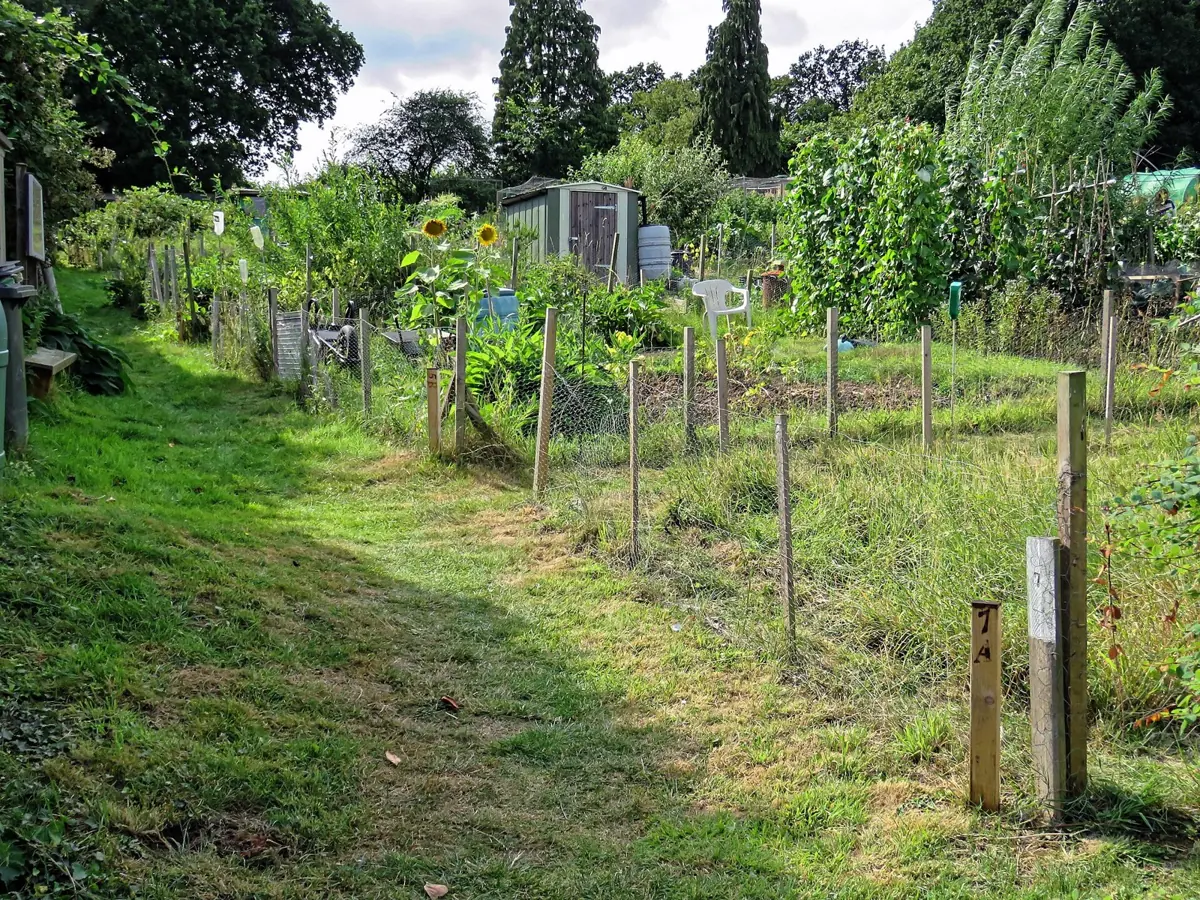
What rotation does — and does not do
Crop rotation means moving groups of annual crops around beds from year to year. Gardeners use it to reduce the repeated build-up of some host-specific soil pests and diseases, balance nutrient demand and organise crop care. It can help, but it is not a cure-all: disease may persist in soil, arrive on seed or plants, or affect related crops, and good hygiene, healthy soil and suitable varieties still matter.
A strict large-scale plan is difficult on a small plot and is not compulsory everywhere. Start by noting where susceptible crops grew and avoid repeating the same family in the same bed where practical.
Group crops by family and needs
A practical plan groups crops with similar family relationships or cultivation needs. The exact grouping can differ between rotation charts, so use it as a useful guide rather than a law. Peas and beans are legumes; cabbage, kale, broccoli, radish, swede and turnip are brassicas; onions, garlic and leeks are alliums; potatoes and tomatoes are related; carrots, parsnips and beetroot are roots, though beetroot is botanically in a different family. Keep a record of crop families if a disease becomes a concern.
A flexible four-bed example
If you have four beds, you could move these groups one bed each year. This is an example, not a universal prescription. Many traditional plans place potatoes, roots and alliums together, while other gardeners separate them to make bed sizes and sowing dates easier. Keep crops with known disease issues out of affected ground for longer where reliable local advice recommends it.
- Bed 1: potatoes and tomatoes (potato family).
- Bed 2: roots and alliums (for example carrots, beetroot, onions and leeks), subject to your chosen grouping.
- Bed 3: legumes (peas and beans).
- Bed 4: brassicas (cabbage, kale, broccoli, turnip and related crops).
- Next year, move each group to the next bed and keep a simple written map.
A three-bed or small-plot approach
For three beds, group crops into three broad blocks that fit what you actually grow, then move them annually. On a small plot or in raised beds, rotate the most disease-prone families first and avoid repeating a crop family in the same bed when possible. A notebook or simple sketch is enough; preserving an elaborate system matters less than remembering last year’s crops.
Some annual crops are often placed flexibly in rotation plans, including salads and cucurbits, but do not repeatedly grow the same crop in one small space if it has a history of disease. Sweetcorn can also be grouped according to your own plot plan.
Perennials, green manures and limitations
Keep perennial vegetables such as asparagus and rhubarb in a permanent bed; they do not fit an annual rotation. Fruit bushes and trees also remain in place. If you have a spare bed, a suitable green manure can cover soil and contribute organic matter, but choose a species that fits the sowing window and does not create a problem with the next crop or site rules.
Rotation is less useful against pests and diseases with broad host ranges or long-lived soil stages, and it cannot fix poor drainage, contaminated soil or unsuitable conditions. If you have suspected clubroot, white rot or another persistent problem, seek crop-specific advice before replanting a related family.
Common misconceptions and mistakes
- There is no single rigid rotation that every allotment must follow; adapt the plan to bed size and the crops you grow.
- Rotation reduces risk for some crop-specific problems but cannot guarantee disease prevention.
- Do not move crops by name alone: related crops may share pests and diseases.
- Do not uproot established perennial crops just to make the diagram neat.
- A rotation chart does not replace cleaning tools, removing diseased material appropriately, controlling weeds or improving soil structure.
- On a very small plot, a clear record and sensible family moves are useful even when perfect separation is impossible.