
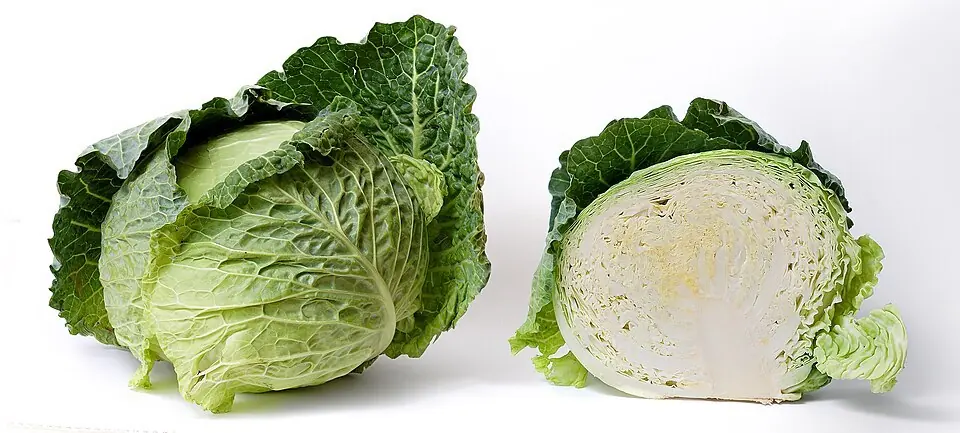
Growing at a glance
- Sowing: windows differ widely by crop and harvest season, from late winter to early summer; follow the cultivar packet.
- Planting: harden off and transplant sturdy plants into firm, fertile soil; protect immediately with fine mesh.
- Spacing: commonly 45–60 cm for many cabbages and summer cauliflowers, and 60–80 cm or more for larger crops.
- Harvest: varies from summer calabrese and cabbage to autumn/winter kale, Brussels sprouts and purple-sprouting broccoli.
- Position and care: sunny, moisture-retentive ground, steady watering and annual rotation where space allows.
Plan by crop and harvest season
Brassicas are a large family, not one crop with one sowing date. Cabbages are grouped into spring, summer, autumn and winter types; broccoli may be a compact summer calabrese or a large, slow purple-sprouting crop; kale and Brussels sprouts also need a long season. Check the packet and sow only the number of plants you can space and protect. A firm, sunny bed with fertile soil and reliable moisture suits most types.
Use modules to raise seedlings where slugs, pigeons or clubroot make a seedbed risky, or sow into a separate outdoor seedbed and transplant later. Sowing windows vary from late winter for some summer crops through spring and early summer for autumn and winter harvests. Northern, upland and exposed plots may need earlier protected raising but later planting out; the right window depends on the cultivar and your local growing season.
- As a broad guide, allow 45–60 cm for many cabbages and summer cauliflowers, and 60–80 cm or more for large broccoli, purple sprouting broccoli and Brussels sprouts.
- Kale spacing varies widely by type and harvest plan; mature plants commonly need 30–60 cm. Follow the seed packet for final size and row spacing.
Prepare the ground and transplant firmly
Brassicas prefer fertile, moisture-retentive but free-draining soil. Work mature compost into the bed in advance and firm the surface before planting; loose soil can let tall plants rock in wind. Rotate brassicas to a different bed each year where space permits. If clubroot is a known problem, use resistant varieties and check soil pH before considering lime; do not apply lime without a reason or soil test.
Harden off indoor-raised plants gradually. Water the seedlings before moving them, plant at the same depth or slightly deeper according to the crop, firm the soil around each rootball and water in. Protect immediately with fine insect mesh secured at the edges. Mesh needs to be in place before butterflies or pests lay eggs; inspect underneath and repair gaps.
Keep plants growing steadily and protect them
Water young plants while they establish, then give a thorough soak during dry spells, especially as cabbage hearts, cauliflower curds and broccoli heads develop. Mulch moist soil to reduce drying. Remove weeds early and avoid shallow hoeing close to roots. Feed only if growth is weak and the soil is poor, using a suitable fertiliser at the label rate; excessive nitrogen can produce soft leafy growth or loose heads.
Check leaves and stems regularly for cabbage white caterpillars, aphids, flea beetles, slugs and pigeon damage. Remove caterpillars by hand and keep mesh secured. Yellowing, wilting or stunted growth can have several causes; check soil moisture, roots, drainage and clubroot symptoms before treating. Remove diseased plants and do not move contaminated soil to other beds. Good rotation helps reduce some problems but does not eliminate pests.
Harvest each brassica at its own stage
Cut cabbages when heads feel firm, before they split. Harvest cauliflower while the curd is tight and white or at the colour described for the variety; cover it with outer leaves if the packet recommends blanching. Cut calabrese when the central head is compact and before yellow flowers open, then check for side shoots. Pick kale leaves from the bottom upwards, leaving the growing point intact. Cut purple-sprouting spears while buds are tight. Pick Brussels sprouts from the base upwards as they reach a useful size.
Harvest timing depends on sowing date, cultivar and weather, so use crop maturity rather than a fixed calendar date. Clear old plants once cropping ends, compost healthy material and remove diseased residues. Keep a record of the cultivar, spacing and netting performance to improve next season’s plan.
Common mistakes to avoid
The most common errors are treating every brassica as a spring crop, using one spacing for all types, planting into loose ground, and delaying netting until leaves are already damaged. Cauliflower is especially sensitive to checks in growth and hot or dry conditions; keep it steadily watered. Choose varieties for the season you can actually support and protect.