
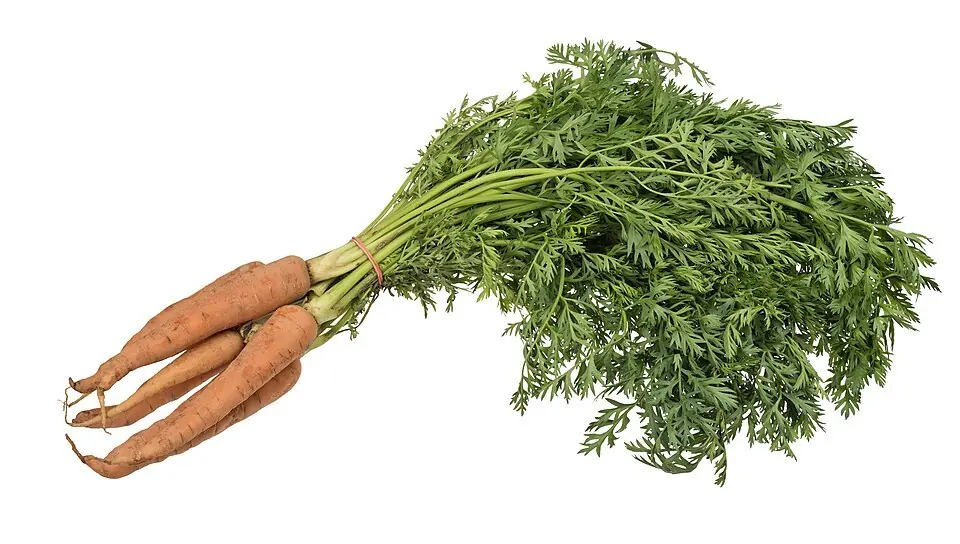
Growing at a glance
- Carrots: direct sow March to July; early sowings may need cloches or fleece. Harvest young roots from summer and maincrops in autumn.
- Parsnips: direct sow fresh seed in mid-spring once soil has warmed; harvest from late summer or leave sound roots in the ground for winter.
- Spacing: thin carrots to about 5–8 cm and parsnips to about 10–15 cm; leave room between rows for weeding.
- Position: sunny, deep and stone-free soil; shorter carrots suit heavier beds better than long-rooted types.
- Water: keep seed rows moist until emergence, then water during extended dry spells.
Prepare a deep, fine seedbed
Carrots and parsnips are both root crops, but they do not share every sowing rule. Choose an open sunny position and prepare soil that is stone-free, not compacted and drains well. Long-rooted parsnips need deep, loose soil; short or round-rooted carrot varieties are more forgiving on heavier ground and can be grown in deep containers. Avoid adding fresh manure or rich compost just before sowing because it can cause roots to fork; improve the bed in an earlier season instead.
Sow both crops directly where they are to grow. Their taproots dislike transplanting, particularly parsnips. Rake the surface to a fine tilth, remove stones and water the drill if the ground is dry. If using a no-dig bed, sow into a deep, settled layer of suitable fine growing medium rather than scattering seed over coarse mulch.
- Carrots: sow shallowly, about 1 cm deep, from March to July; early sowings need protection and late sowings may be useful for autumn roots.
- Parsnips: sow fresh seed in mid-spring, often March to April, when the soil has begun to warm. Very early sowing in cold soil is unreliable; germination can take two to four weeks.
- Thin to the spacing suited to the crop: carrots about 5–8 cm apart and parsnips about 10–15 cm apart, with rows wide enough to weed and harvest.
Sow carefully and protect young rows
Carrot seed is small, so sow thinly in shallow drills and cover lightly. Parsnip seed can be placed in small groups at intervals, then thinned to the strongest seedling once it is established. Use fresh parsnip seed each year; stored seed loses viability quickly. Keep the row moist until emergence, watering gently so seed is not washed out. A radish row nearby can mark slow-germinating rows, but remove or harvest the radishes before they crowd the roots.
Carrot fly and parsnip can be affected by the same pest. Where it is a local problem, cover the crop with fine insect-proof mesh from sowing, secure the edges and avoid leaving gaps. Thinning carrots can release their scent; sow thinly to reduce thinning, or thin on a still evening and remove thinnings from the bed. Do not assume companion planting alone will keep carrot fly away.
Water, weed and troubleshoot root growth
Keep the seedbed evenly moist until seedlings are established. Later, water during extended dry spells rather than giving frequent splashes. Carrot roots can split after irregular moisture, and parsnips may split or become poor quality when growth is checked. Weed by hand close to rows and hoe shallowly between them so roots are not damaged. Thin promptly: overcrowding makes small, distorted roots and raises disease risk.
Forked roots usually point to stones, compaction or organic matter added immediately before sowing. Patchy germination can mean old seed, cold wet soil, a crusted surface, drying during germination or seed washed too deeply. Parsnip canker produces dark or rusty rotting patches, especially on damaged roots; remove affected roots and improve drainage and rotation. Slugs may nibble young seedlings, while mesh helps exclude carrot fly.
Harvest and store without damaging roots
Lift carrots young for tender roots or leave maincrop types to mature through autumn. Loosen soil with a fork beside the row and lift gently to avoid snapping the root. Parsnips are usually ready when foliage begins to die back in late summer or autumn; many gardeners leave them until after a light frost, which can sweeten flavour, but lift before the ground freezes hard. Mark rows before foliage disappears.
Use fresh roots promptly, or store sound autumn carrots in cool, humid conditions such as slightly damp sand. Remove foliage before storage. Parsnips can remain in well-drained ground for winter use, protected with mulch where needed, or be lifted before hard frost and stored cool. Discard roots showing rot rather than storing them with healthy produce.
Common mistakes to avoid
Do not sow parsnips into cold February soil simply because the calendar says it is spring. Wait for workable, warmer soil and fresh seed. Do not transplant seedlings or enrich the bed with fresh manure just before sowing. Keep the seed row moist, thin plants, and cover against carrot fly when appropriate. Regional timing shifts: sheltered southern beds may warm earlier than northern, upland or exposed plots.