
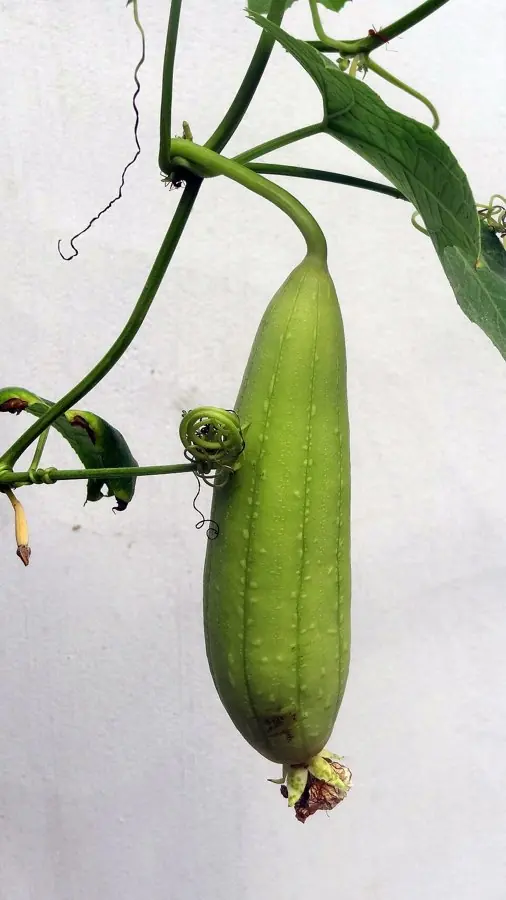
Growing at a glance
- Sow: indoors in April or May around 20–25°C; seedlings often emerge within about a week in suitable warmth.
- Plant: greenhouse positions from late May when nights remain mild; harden outdoor ridge types off and plant from early June as conditions allow.
- Spacing: around 30–45 cm, depending on cultivar and whether vines are trained vertically.
- Harvest: mid-summer to autumn under cover; outdoor crops are shorter and weather-dependent.
- Water and pollination: keep soil evenly moist; follow the packet because greenhouse all-female types and outdoor ridge types differ.
Choose greenhouse or outdoor cucumbers
Cucumbers need warmth and a steady supply of moisture. Greenhouse varieties crop for longer under cover; outdoor or ridge varieties need a warm, sheltered position and usually have a shorter weather-dependent season. Some greenhouse cultivars produce mostly female flowers and set fruit without pollination; others need different care. Read the packet before buying, especially about whether male flowers should be removed. In most of the UK, a greenhouse, polytunnel or very warm patio gives the most reliable crop.
Sow indoors in April or May, one seed per small pot, about 2 cm deep at around 20–25°C. Seeds may emerge within a week in suitable warmth. Keep seedlings bright and warm, pot on without breaking the rootball, and do not let young plants sit in cold compost. Harden off outdoor ridge types gradually; greenhouse types should remain protected.
- Plant greenhouse cucumbers from late May when the growing position remains mild; outdoor plants usually go out from early June after frost risk and cold nights have passed.
- Allow roughly 30–45 cm between plants depending on variety and training. Containers should be large enough to hold moisture and have free drainage.
Prepare a warm site and train the vines
Choose a sunny position with fertile, moisture-retentive but free-draining soil. Add mature compost before planting. A large container of peat-free compost can work, but small pots dry quickly. Put a strong support in place at planting: greenhouse cucumbers can climb a cane or vertical string, while outdoor types can use a sturdy wigwam, mesh or trellis. Keep access around plants for watering and harvesting.
Train the main stem carefully and tie it loosely until tendrils attach. Pinching and side-shoot management vary by cultivar and growing system, so follow the packet rather than removing every side-shoot. Ground-trailing varieties need space and benefit from keeping fruits off wet soil. Avoid damaging the soft stems; a broken leader may set back the plant.
Water and feed without wetting the crown
Keep the root zone evenly moist, especially during flowering and fruit swelling. Containers may need daily checks in warm weather. Water at the base, ideally in the morning, and avoid repeatedly soaking foliage. A mulch over moist soil can reduce evaporation. Ground-grown plants in fertile soil may not need feeding; container plants can receive a general liquid feed every 10–14 days, changing to a high-potassium feed once flowering and fruiting begin, at the product-label rate.
Greenhouses can overheat and stagnant air can encourage mildew and mites. Ventilate on warm days, while avoiding cold nights for tender plants. Inspect the undersides of leaves for aphids, whitefly and spider mites. Remove badly damaged leaves with clean tools and avoid broad sprays around pollinators.
Understand pollination and troubleshoot fruit set
Outdoor ridge cucumbers normally produce male and female flowers and rely on insects to pollinate the female flowers. Do not remove male flowers from these varieties. Many greenhouse cucumbers are all-female or parthenocarpic and set fruit without pollination; pollinating them can make fruits bitter or misshapen. Check the seed packet and remove male flowers only when the variety instructions specifically say to do so. Hand pollination is not a default requirement for greenhouse plants.
If young fruits shrivel, check whether the variety needs pollination, whether nights were cold, and whether the plant dried out. Poor light, excessive heat, overcrowding and irregular watering can also affect fruit set. White powdery patches suggest mildew; improve airflow and steady watering. Keep a small log of greenhouse temperatures and sowing dates if crops repeatedly fail to set.
Harvest young and avoid common errors
Harvest fruits while firm, evenly coloured and at the size described for the variety. Mini cucumbers may be ready around 8 cm, while full-sized types are often picked around 20–25 cm; check the packet. Use a sharp knife or secateurs rather than pulling on the vine. Check every few days in warm weather because fruits can grow quickly. Regular picking encourages continued production.
Common mistakes include planting out into cold nights, using an indoor type outdoors, removing male flowers from a ridge cucumber, pollinating an all-female greenhouse type, and allowing containers to dry. Label plants at sowing and keep the packet until the season ends.