
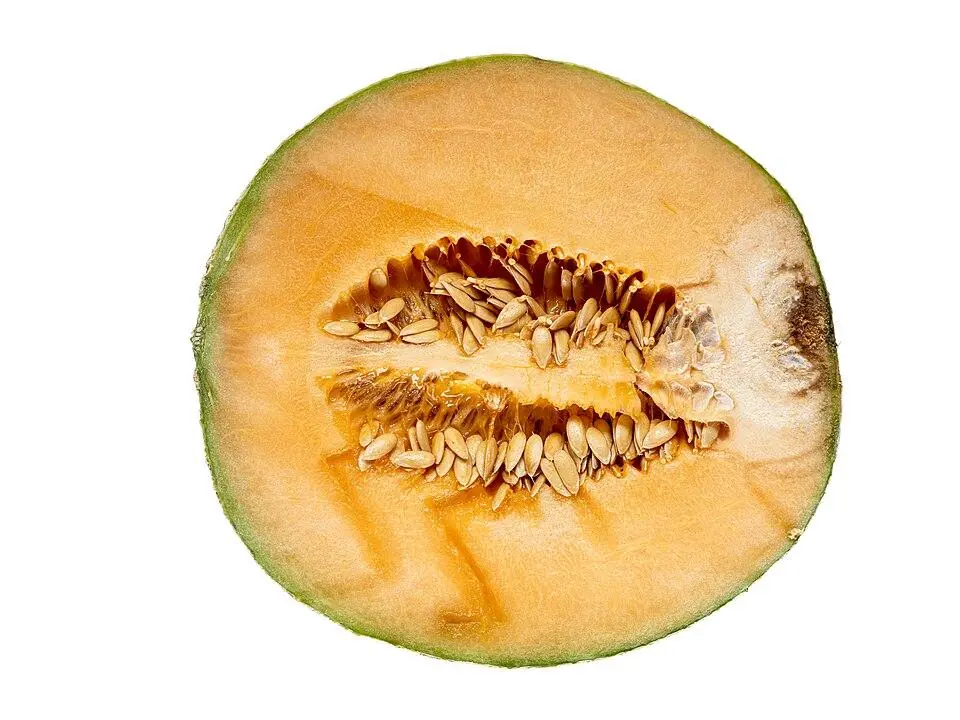
Growing at a glance
- Sow: mid-April to mid-May under cover; germination is most reliable around 18–21°C and often takes about a week.
- Plant: late May or June under cover once nights stay mild; outdoors only in a very warm, sheltered site after cold nights have passed.
- Harvest: usually late summer into early autumn under cover; outdoor timing is later and more weather-dependent.
- Spacing: about 45 cm for supported plants and around 90 cm or more for trailing plants; check cultivar instructions.
- Position and care: full sun, warmth, ventilation and evenly moist soil; containers need frequent checks.
Choose a melon and growing site that suit the UK
Melons are tender, heat-loving plants, so a greenhouse or polytunnel gives the most dependable crop in the UK. Cantaloupe types are the best candidates for a very warm, sheltered outdoor site; only choose a variety described as suitable for outdoor growing. Honeydew types generally need the longer, warmer season under cover. Watermelons are a different crop and are most reliable in a warm greenhouse or polytunnel with a suitable variety. A cool summer can delay or prevent ripening, especially in northern, upland or exposed gardens, so choose an early, compact cultivar if your season is short.
Melons can be grown in a greenhouse border, a large growing bag or a container at least about 40 cm wide and deep. A greenhouse plant trained vertically needs less floor space than a trailing plant, but the support must carry the weight of the mature fruit. Start with one or two plants while learning how your site performs; crowded foliage is harder to ventilate and inspect.
Sow in warmth and plant out carefully
Sow indoors from mid-April to mid-May, around 1.5 cm deep in small individual pots. A germination temperature of roughly 18–21°C is suitable; seedlings often appear in about a week when the compost stays warm and evenly moist. Give emerging plants strong light. If two seeds germinate in one pot, remove the weaker seedling rather than pulling it out and disturbing the roots of the one you keep.
Pot on before roots become crowded, handling the rootball gently. Harden plants off gradually. In a greenhouse, plant into the final bed, growing bag or container from late May or June when nights remain reliably mild; outdoor planting should wait until early June or later, when the site is exceptionally warm and sheltered and nights are not falling below about 12–15°C. Northern and exposed sites usually need to wait longer. Cold checks can set plants back for weeks, so do not use the calendar alone.
- Use free-draining, fertile soil or peat-free container compost, with mature compost incorporated before planting rather than fresh manure around the roots.
- Allow about 45 cm between plants trained up supports; trailing plants need around 90 cm or more. Check the cultivar instructions because vigour varies.
Train, pollinate and manage fruit according to type
Melon training depends on the cultivar and whether it is grown vertically or allowed to trail. Follow the seed packet for pinching and pruning rather than applying one rule to every variety. Tie a young main stem loosely to a strong cane or string and guide new growth without bending brittle stems. Once fruit begins to swell, support each heavy melon in a breathable sling attached to the frame. For ground-grown plants, rest fruit on a dry tile or board to keep it off wet soil.
Melons have separate male and female flowers; the female flower has a small fruit-shaped swelling behind it. Bees can pollinate flowers if greenhouse doors and vents are open during suitable weather. If fruit fails to set under cover and pollinating insects are scarce, hand-pollinate an open female flower using pollen from an open male flower or a clean soft brush. Do not assume every greenhouse variety needs this: follow its growing instructions.
A short UK season may not ripen every fruit. Once the plant has set fruit, keep only a realistic number for the cultivar, plant strength and remaining warmth. RHS guidance suggests around four to six fruits on a greenhouse plant and up to four outdoors as a general upper guide, but small-fruited or less vigorous plants may need fewer. Remove late flowers and tiny fruits that have little chance of maturing before autumn.
Keep moisture steady and prevent common problems
Keep the root zone evenly moist but never saturated, especially while flowers are setting and fruit is swelling. Containers and growing bags can need daily checks in hot weather. Water at the base, preferably in the morning, and avoid routinely wetting leaves. Container-grown plants benefit from a general liquid feed every 10–14 days while growing; when fruits are established, switch to a high-potassium feed at the product-label rate. Plants in enriched ground may need less feeding. Stop feeding as fruits approach ripeness.
Ventilate the greenhouse on warm days. Melons need warmth, but overheated, stagnant air encourages stress and leaf scorch. Inspect leaf undersides for aphids and spider mites, and look for powdery mildew, which is more likely when plants are stressed or crowded. Keep young plants away from slugs, remove badly diseased leaves with clean tools and avoid broad pesticide use around pollinators. If fruitlets yellow and shrivel, check pollination, cold nights and water fluctuations before adding more feed.
Tell when a melon is ripe and harvest gently
Ripeness signs vary between melon types and cultivars. Use the seed packet’s description: a ripe fruit may develop its mature skin colour, a characteristic aroma, a slight give at the flower end or a change where the stalk joins the fruit. Some cultivars form a crack or slip at the stem, while others do not, so do not wait for that sign alone. Greenhouse fruit commonly ripens from late summer into early autumn; outdoor crops are later and more weather-dependent.
Cut the fruit from the vine with clean secateurs and a short stalk, rather than twisting and tearing the stem. Handle ripe melons carefully and eat soon for best quality. A fruit that remains hard and unscented as the plant declines may not ripen well indoors; record the variety and sowing date so you can adjust next year’s timing.