
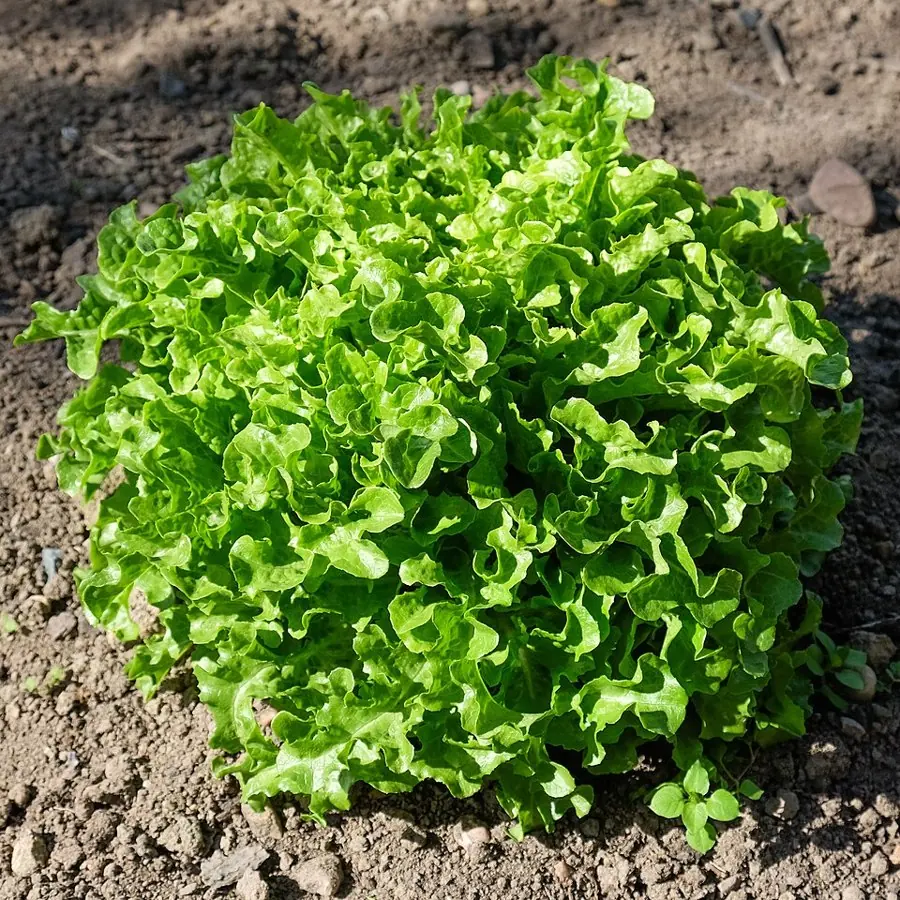
Choose varieties for the season
Lettuce is quick to grow and fits beds, containers and gaps between slower crops. The best variety changes through the year: some tolerate cool spring or autumn weather, while summer types cope better with longer days and heat. Check the packet for sowing windows and whether it is a hearting, cos, loose-leaf or cut-and-come-again type.
Sow a small amount every two or three weeks rather than a whole packet at once. This spreads harvest and reduces the chance of every plant bolting together. Protected sowings can extend the season, but seedlings still need light and ventilation.
Sow shallowly and keep seedlings cool
Sow outdoors from spring into late summer when the soil is workable, or use modules under cover for an earlier start. Cover seeds lightly; lettuce seed is small and should not be buried deeply. Keep the surface damp until germination. Warm conditions can inhibit germination, so move trays away from hot windowsills and sow again if a batch fails.
Thin or transplant seedlings to suit the mature variety, commonly 20–30 cm apart for full heads and closer for baby leaves. Water modules before planting and disturb roots as little as possible. Containers need drainage and regular checks because shallow compost dries quickly.
Prevent bolting and keep leaves tender
Bolting is flowering and seed formation, often triggered by heat, long days, dry soil or a check in growth. Choose a heat-tolerant summer variety, keep watering even and use light shade during the hottest part of the day. Avoid heavy shade that slows growth and keeps leaves wet.
Water at the base in the morning where possible. Leave enough room for airflow and remove damaged outer leaves. Slugs and snails can destroy young plants, while aphids and downy mildew affect foliage; inspect regularly, use barriers where appropriate and remove badly diseased plants.
Harvest little and often
For loose-leaf lettuce, take a few outer leaves from each plant and leave the centre growing. Cut-and-come-again varieties can be cut above the crown for regrowth, though repeated harvests eventually weaken them. Harvest hearts when they feel firm, before they split or send up a flower stem.
Pick in the cool part of the day and keep leaves clean and dry. Refrigerate promptly in a breathable container and wash just before eating. If the weather turns hot, sow the next batch in a cooler spot rather than waiting for the current plants to become bitter.