
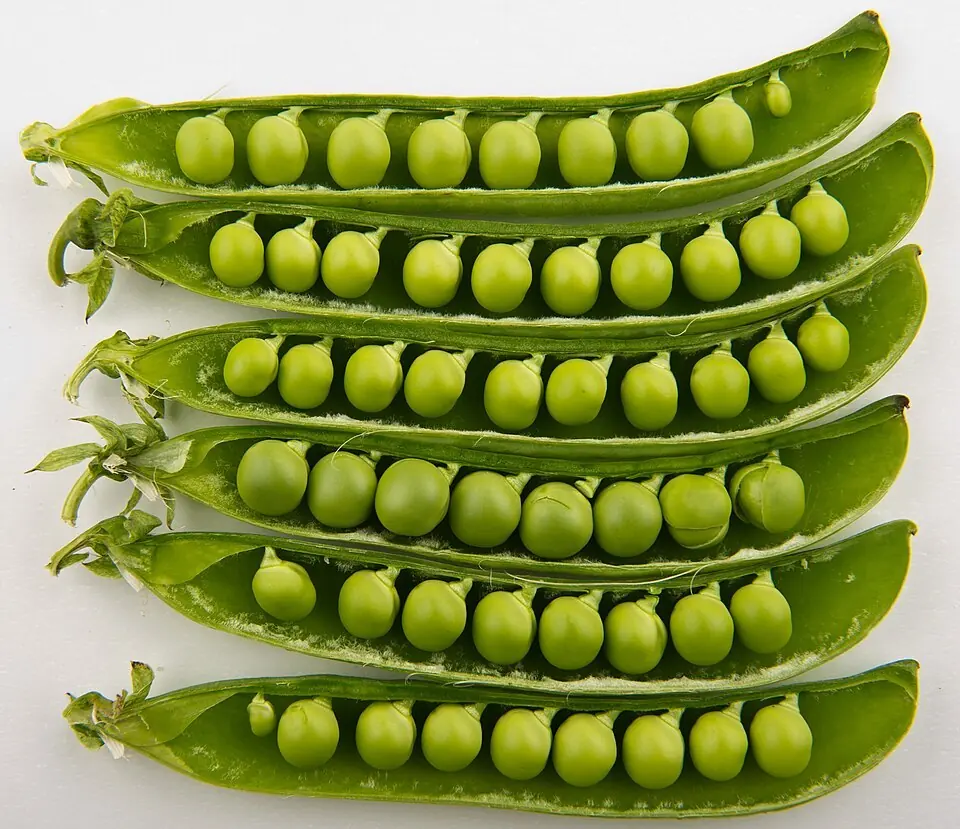
Growing at a glance
- Sow: outdoors mainly March to June once soil is workable and about 10°C or warmer; use modules for an earlier protected start.
- Spacing: sow about 5 cm deep and 5–8 cm apart; row layout and support depend on plant height.
- Harvest: shelling peas, mangetout and sugarsnap crop in summer; the stage differs by type.
- Position: sunny, open and moisture-retentive; avoid waterlogged soil and heavy nitrogen feeding.
- Water: deeply during dry weather as plants flower and pods fill.
Choose a pea type and plan the season
Peas include shelling varieties, mangetout with flat edible pods and sugarsnap types with crisp, plump pods. Check the seed packet for height, maturity and intended use. Dwarf varieties need less support; tall types need a sturdy frame. Peas prefer cool growing weather, so spring and early summer sowings are usually more dependable than trying to keep them cropping through the hottest part of summer.
The main outdoor sowing window is March to June, once the soil is workable and around 10°C or warmer. A late-February sowing may work under protection in a mild, well-drained spot, but cold wet soil risks seed rot. In northern or exposed areas, use deep modules for an early start and plant out only when seedlings are sturdy and conditions are suitable. Sow a few short rows every two to three weeks rather than one large batch.
- Sow seeds around 5 cm deep and about 5–8 cm apart, adjusting row layout to plant height and packet guidance.
- Peas raised in modules should be hardened off before planting; avoid disturbing their roots when transplanting.
Prepare soil, sow and install supports
Choose a sunny, open bed with soil that holds moisture but drains in winter. Add mature compost ahead of sowing if the soil needs improvement; do not apply high-nitrogen feed as peas can make their own nitrogen with root bacteria. Sow directly in shallow drills or in double rows, leaving room between rows for picking and airflow. Containers can work for dwarf types, but keep them watered and expect a smaller crop.
Put supports in place before plants become tangled. Pea sticks or short mesh suit dwarf varieties; tall peas need netting, twine or a robust frame that will not fall over in wind. Protect seeds and seedlings from mice, pigeons and slugs, checking any netting frequently so wildlife cannot become trapped. Keep young rows weed-free with shallow hand weeding.
Water at the right time and troubleshoot flowering
Water young plants only when the soil is drying; overwatering before flowering tends to make leafy growth rather than more pods. Once flowers appear and pods begin filling, water deeply during dry spells. Container plants may need much more frequent checks. A mulch laid over moist soil helps preserve water. Dry soil during flowering can reduce pod set and make pods small.
Poor pod set can follow cold weather, very hot weather, drought, or lack of pollinating insects for some varieties. Inspect leaves for aphids and mildew and look for pea moth damage in developing pods. Choose a well-ventilated position, avoid overhead watering late in the day and remove badly affected plants. Rotate crops where possible and do not leave diseased debris in the bed.
Pick frequently for the best flavour
Pick shelling peas when pods are rounded and filled but before they become dull, hard or swollen beyond the variety’s best stage. Mangetout should be picked flat and tender; sugarsnap pods are picked while crisp and plump. Check plants every few days once they start cropping. Frequent picking prevents mature pods from slowing further flowering and gives the best texture.
Use peas soon after picking because sweetness declines as sugars turn to starch. Chill promptly if they cannot be cooked straight away, or blanch and freeze a surplus. At the end of cropping, cut plants at soil level and leave healthy roots in place; compost the tops if disease-free.
Common mistakes and small-plot tips
Sowing too early into cold wet soil, failing to support tall plants, and letting plants dry while pods fill are frequent causes of disappointing crops. Do not confuse mangetout with shelling peas at harvest: pick mangetout before seeds swell. If space is limited, grow a dwarf or early type, use a short row, and follow it with a quick salad crop once the peas are cleared.