
Growing at a glance
- Plant: spring, late summer or early autumn; August and September planting often establishes well for the following season.
- Types: summer-fruiting, perpetual/everbearing and alpine strawberries have different crop windows and care.
- Spacing: about 30–45 cm between plants, with roughly 60–75 cm between rows, adjusted for cultivar and access.
- Position: sunny, fertile and free-draining soil; large containers also work but dry faster.
- Harvest: early summer to autumn depending on type; pick fully coloured berries because they do not ripen after picking.
Choose a strawberry type and planting time
Strawberries suit a sunny bed, border or container and are one of the most reliable small fruits for a UK plot. Summer-fruiting varieties produce a main crop over a few weeks; perpetual or everbearing types crop in smaller flushes over a longer period; alpine strawberries make smaller fruits and can crop over a long season. Planting more than one type can extend picking, but check each cultivar’s season and space requirements.
Plant healthy runners or container-grown plants in spring, late summer or early autumn. August and September planting usually gives plants time to establish before the following summer. Cold-stored runners supplied in spring should be planted promptly. Choose sun and fertile, slightly acidic, free-draining soil. Strawberries also grow in large pots or growing bags, where they are easier to protect from soil-borne problems but need closer watering.
- Space plants roughly 30–45 cm apart and leave about 60–75 cm between rows, adjusting for the variety and bed access.
- Set the crown at soil level: burying it can encourage rot, while leaving roots exposed can dry the plant.
Establish plants and care for flowers and fruit
Prepare the bed with mature compost and keep it weed-free. Water plants in after planting and while they establish. Remove flowers from newly planted perpetual strawberries in spring to help establishment; for summer-fruiting plants, remove the first flowers only if plants are weak or slow-growing. Healthy autumn-planted plants may be left to flower the next season. Follow advice for the particular runner type, especially cold-stored plants.
Keep soil evenly moist from flowering through fruit swelling, especially in containers. Water at the base rather than over flowers and fruit. Once berries begin to form, lay clean straw or another suitable mulch under them to reduce soil splash and keep fruit clean, leaving the crown uncovered. Container plants may need feeding, but use a balanced product at the label rate rather than overfeeding leafy growth.
Use runners sensibly and protect the crop
After the main crop, plants produce runners that can root into small pots or soil. Peg down a few healthy runners to replace older plants or fill gaps, then sever them from the parent only after they have rooted. Remove excess runners to keep the bed open and productive. Strawberry patches often lose vigour after a few seasons; renew the row with healthy young plants and move it to fresh ground where possible rather than carrying old plants indefinitely.
Protect flowers from late frost with fleece on cold nights, removing it when conditions improve so pollinators can reach flowers. Protect ripening fruit from birds with taut, wildlife-safe netting and check it daily for trapped animals. Slugs, grey mould and vine weevil can damage crops; remove mouldy fruit, keep plants spaced for airflow, inspect containers and roots when plants decline, and do not leave infected debris in the bed.
Harvest ripe berries and store them briefly
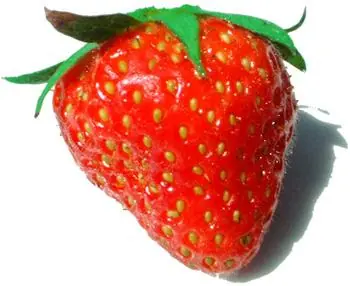
Pick berries only when fully coloured across the fruit; strawberries do not continue ripening once picked. Hold the fruit gently and snip or pick with the green calyx attached to reduce bruising. Harvest regularly in dry weather, ideally when fruit is cool, and check underneath leaves for hidden berries. Cropping runs from early summer into autumn depending on type, planting time and weather.
Eat strawberries soon after picking or chill them unwashed in a shallow container and use promptly. They soften quickly. Freeze surplus on a tray before packing, noting that thawed fruit is better for cooking, smoothies or sauces than for keeping its fresh shape.
Common mistakes to avoid
Do not bury the crown, let pots dry during fruiting, or leave runners to crowd the bed. Removing every flower from every new plant is not always beneficial; the decision depends on type, planting season and plant strength. Use netting only when it is secure and regularly checked. Replace tired plants with healthy runners and rotate beds when space allows.