
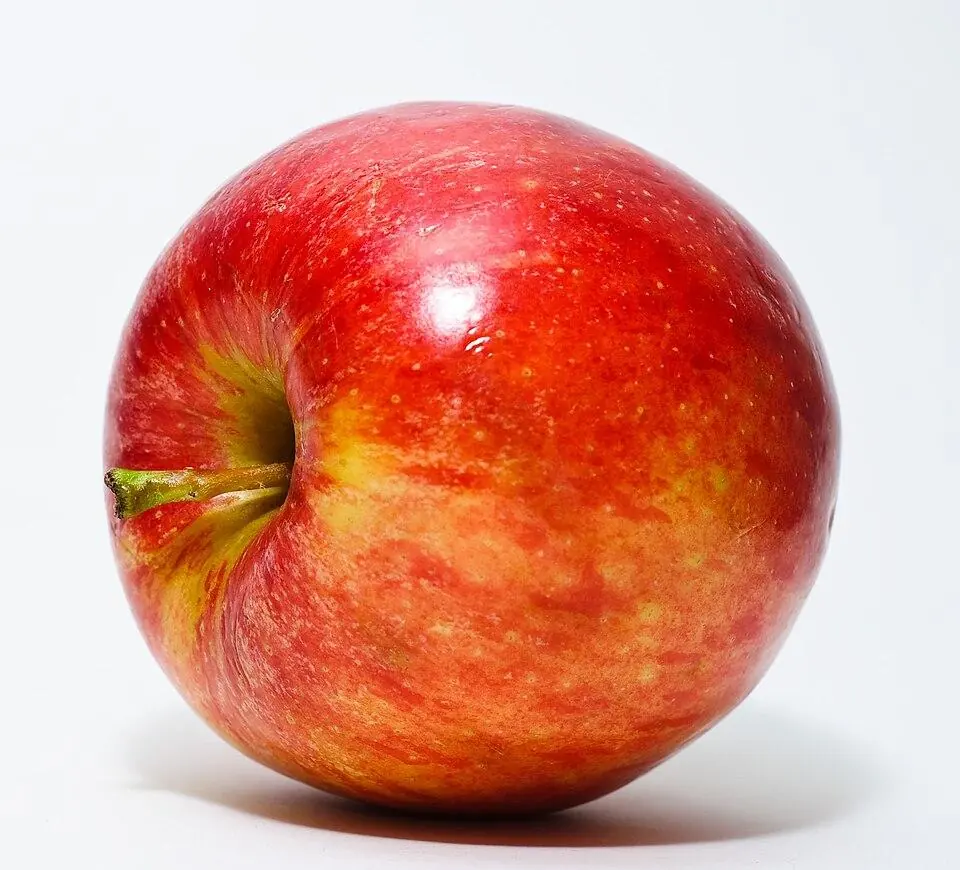
Choose a tree that fits your plot
Apples are long-lived, productive trees, but their eventual size depends largely on the rootstock as well as the cultivar and growing conditions. Check the nursery’s stated mature size, support needs and suitability for your soil before buying. Dwarfing rootstocks suit cordons, espaliers and small gardens but usually need permanent staking and regular watering; more vigorous rootstocks need more room. A trained tree can use a boundary efficiently, but only where the site rules permit it.
Most apple cultivars need pollen from another compatible apple that flowers at the same time. Check pollination groups when choosing; a nearby neighbour’s tree or a suitable crab apple may provide pollen. Some are self-fertile, while triploid cultivars need two compatible pollinating partners and cannot reliably pollinate another tree on their own. Bees must be active during blossom, so protect pollinators and avoid spraying flowers.
Plant and establish the tree
Bare-root trees are usually planted while dormant, from late autumn to early spring, whenever the ground is workable and not frozen or waterlogged. Container-grown trees can be planted at other times if you can water them reliably. Choose full sun, shelter from strong winds and soil that drains reasonably well. Avoid frost pockets, where blossom may be damaged, and check the planting distance against the rootstock and intended training form.
Dig a hole wider than the roots and loosen the base without creating a smooth-sided pit. Position the tree so the graft union remains clearly above soil level, spread roots naturally, backfill with the excavated soil and firm gently. Do not put concentrated fertiliser or fresh manure against roots. Stake dwarfing trees as directed, with a low, firm stake and a flexible tie that does not rub the trunk. Water thoroughly and mulch with mature compost, leaving a clear space around the bark.
Seasonal care, pruning and fruit thinning
Water newly planted trees during dry spells through their first growing seasons, especially while fruit is swelling. Keep a weed-free mulch ring, top it up each spring and check ties and guards. Established trees need less routine watering, but prolonged drought can reduce fruit size and stress the tree.
Pruning depends on whether the tree is a bush, cordon, espalier or another form. For a free-standing bush, winter pruning while dormant shapes young trees and removes dead, crossing or congested growth; avoid removing large amounts at once, because hard pruning can provoke vigorous shoots. Summer pruning is used for many trained, restricted forms. Learn the intended form before cutting or seek site advice; do not use one schedule for every apple tree.
After the natural early-summer fruit drop, thin crowded clusters if the tree is carrying a heavy crop. Leave the strongest fruit with room to develop, following cultivar and tree-age guidance. This can improve fruit size and reduce branch strain and biennial bearing, though some cultivars naturally crop unevenly.
Problems, harvest and storage
Inspect leaves, shoots and fruit for scab, canker, aphids, codling moth damage and unusual dieback. Remove fallen or badly affected material, clean tools between diseased plants and improve airflow with appropriate pruning. Netting can protect fruit from birds, but it must be secure and checked so wildlife cannot become trapped. Brown, corky patches can have several causes; do not assume every mark is a nutrient deficiency.
Harvest dates vary by cultivar and season. Test a sample: a ripe apple generally lifts with a gentle upward twist and has developed its characteristic colour and flavour. Handle carefully to avoid bruising. Eat damaged fruit first; store only sound, dry fruit in a cool, dark, airy place and inspect it regularly. Keep cultivars separate and use early apples promptly because storage life varies.
Common mistakes to avoid
- Choosing a vigorous rootstock for a small plot without checking its mature size or staking needs.
- Assuming a second tree will pollinate the first without checking flowering compatibility.
- Planting with the graft union buried, leaving ties tight against bark, or allowing grass to compete at the trunk.
- Pruning heavily without knowing the tree’s form, or expecting all apples to ripen and store at the same time.