
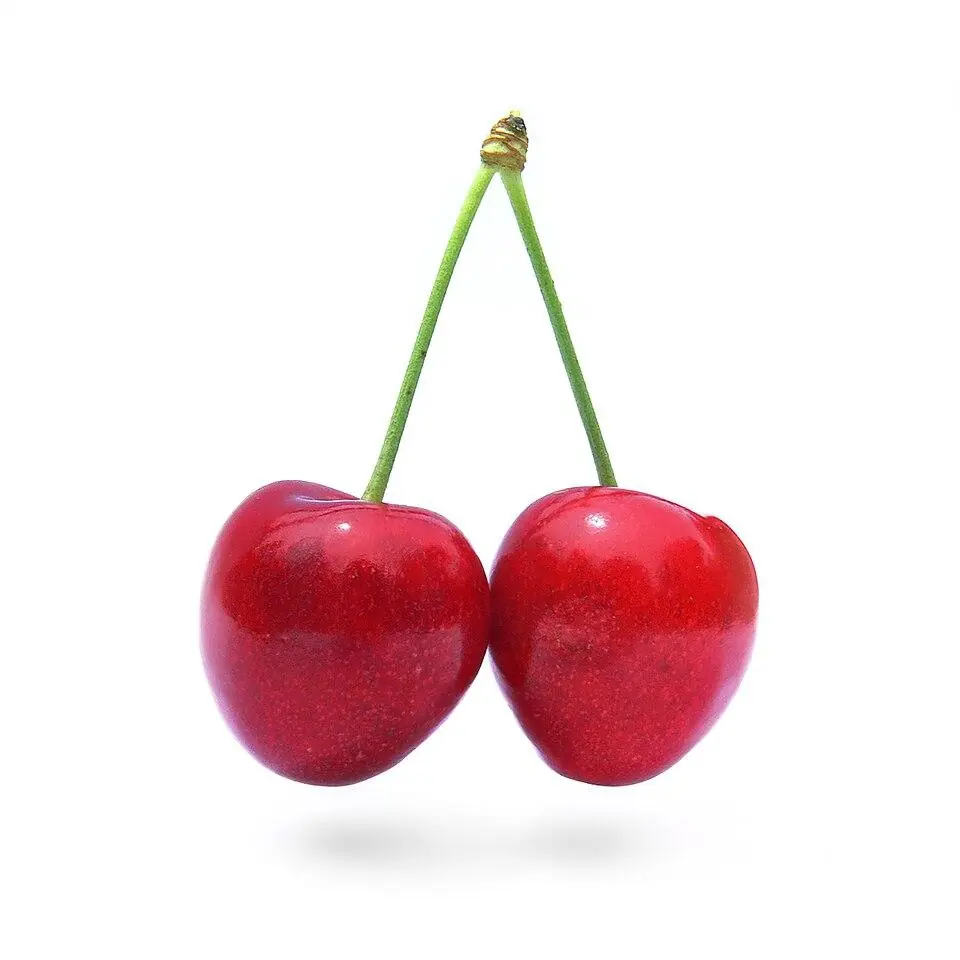
Choose the type, rootstock and pollination partner
Sweet cherries are eaten fresh and usually need a warm, sunny, sheltered position to ripen well. Sour cherries are more useful for cooking and can tolerate cooler conditions; they are commonly trained as fans against a wall. Rootstock controls much of the mature size, so check the nursery’s stated height, spread, support requirements and suitability for your plot before buying.
Many sweet cherries need a compatible pollinating cultivar that flowers at the same time. Some cultivars are self-fertile, but confirm this on the plant label and check pollination compatibility when possible. Sour cherries are commonly self-fertile. A nearby cherry may help only if flowering overlaps and the cultivars are compatible. Pollination depends on insect activity during blossom.
Plant and establish a cherry tree
Plant bare-root trees during dormancy, usually from late autumn to early spring, when the soil is workable. Container trees can be planted outside that window if watered well while establishing. Pick a sunny, sheltered site with well-drained soil; avoid frost pockets where blossom is vulnerable and sites that remain waterlogged. Fan-trained trees need a sturdy support before planting.
Prepare a wide hole and spread the roots without bending them upwards. Keep the graft union above soil level, backfill with the excavated soil and firm gently. Stake as required by the rootstock and exposure. Water thoroughly and mulch with mature compost, leaving a gap around the trunk. Water in dry periods for the first few years, especially during flowering and fruit swelling.
Pruning, pollination and crop protection
Cherries are vulnerable to silver leaf disease entering through pruning wounds, so established trees are generally pruned in dry weather during summer rather than routinely in winter. The exact work depends on whether the tree is a bush, fan or another trained form. Remove dead or damaged growth and overcrowded branches with clean, sharp tools; avoid large cuts and do not remove healthy wood without a clear reason. Follow a cultivar- and form-specific pruning guide for formative training.
Late frost can damage blossom, especially on early-flowering sweet cherries. A small tree or trained fan may be covered with horticultural fleece during a forecast frost, removing it when conditions improve so pollinating insects can reach flowers. Secure bird netting over a frame before fruit ripens, keep it taut and inspect it frequently. Do not drape loose netting over branches.
Problems and harvesting
Check for aphids, bacterial canker, blossom wilt, leaf diseases and fruit damage. Prune in dry weather, disinfect tools after diseased wood and remove affected fruit and fallen debris. Good airflow and avoiding waterlogged soil reduce stress but cannot prevent every disease. If a tree shows dieback or oozing lesions, identify the cause before cutting extensively.
Sweet cherries are ready when fully coloured and sweet; sour cherries are generally picked when well coloured for cooking. Colour alone is not always a reliable test, so sample fruit from the cultivar. Pick gently with the stalk attached if you want them to keep briefly, and chill promptly. Handle ripe fruit carefully because it bruises and deteriorates quickly.
Common mistakes
- Buying a tree before checking its mature size and whether it needs a pollinating partner.
- Planting in a frost pocket or exposed site with no protection for blossom.
- Pruning during wet winter weather or making large cuts that invite disease.
- Using loose netting that can trap wildlife, or waiting until birds have already damaged the crop.