
Growing at a glance
- Plant: autumn types from October to December; spring types from February to March when soil is workable.
- Spacing: about 15 cm between cloves and 30 cm between rows.
- Position: sunny, open and free-draining; raised beds help where winter soil stays wet.
- Water: only during prolonged dry spells while bulbs are swelling; reduce as foliage yellows.
- Harvest: usually July or August when lower leaves yellow but upper leaves remain green; cure in a dry, airy place.
Choose the right garlic and planting season
Garlic is a space-efficient allium that grows well in many UK plots when drainage is good. Buy healthy planting garlic from a reputable supplier and choose a variety suited to your planting season. Many varieties are planted in autumn and benefit from a cold period for bulb formation; some are intended for late-winter or spring planting. Check the supplier’s description rather than assuming every garlic can be planted at any time.
Plant autumn garlic from October to December while the soil is workable, or spring types from February to March. If your plot stays waterlogged over winter, plant cloves into modules in autumn and transplant them carefully in spring, or use a raised bed. Avoid planting in frozen or saturated soil. Rotate alliums to a different bed where possible, especially if white rot has been a problem.
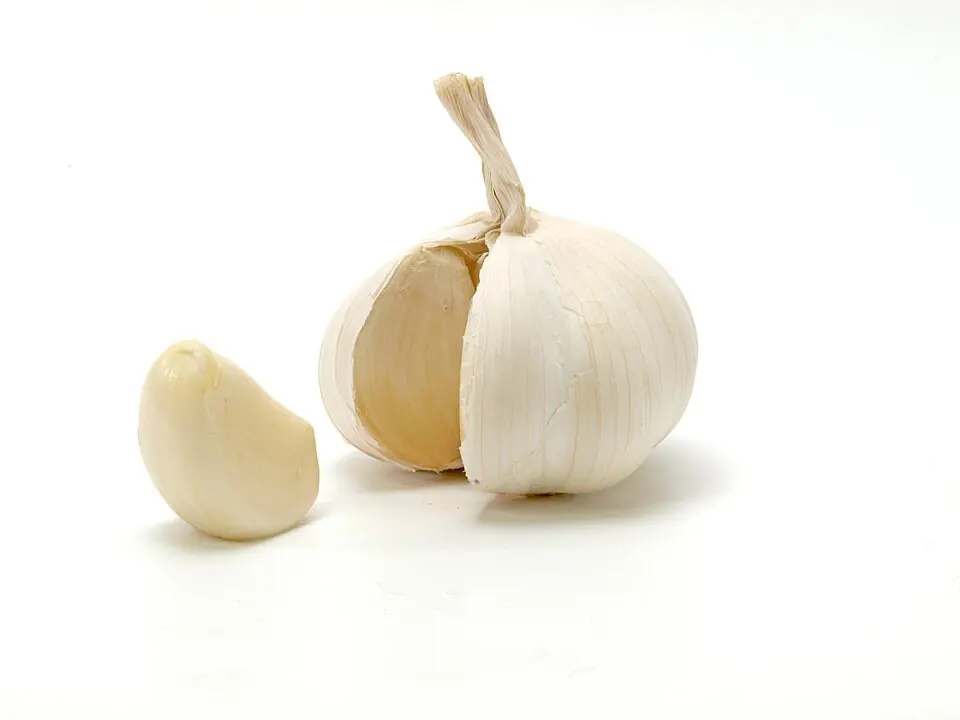
- Separate the bulb into cloves shortly before planting and use the largest firm cloves for the strongest plants.
- Leave cloves in their skins and set them pointed end upwards, with the tip about 2.5 cm below the soil surface. In light soil a little deeper can work, but avoid deep planting in heavy ground.
Prepare the bed and plant cloves
Choose an open, sunny position with fertile but free-draining soil. Garlic dislikes standing water and fresh manure, which can encourage soft growth and poor bulbs. Improve the bed ahead of planting with mature compost if it needs organic matter. In heavy soil, a ridge or raised bed can improve drainage. Containers are possible if they are deep enough, drain freely and are kept evenly moist during active growth.
Space cloves about 15 cm apart in rows roughly 30 cm apart, adjusting to the variety and the space available. Press each clove into the soil without forcing it through compacted ground. Label the variety and date. Birds may pull out newly planted cloves; use a secure, wildlife-safe mesh until they have rooted, and inspect it often.
Maintain steady growth through spring and summer
Keep the bed weed-free because garlic has narrow leaves and does not compete well with weeds. Water during prolonged dry spells in late spring and early summer while bulbs are swelling; reduce watering as foliage begins to yellow. Overwatering late in the season can delay drying and increase rot risk. A light spring feed is only useful on poor soil; avoid high-nitrogen feeding that encourages leafy growth instead of firm bulbs.
Inspect leaves for rust, allium leaf miner and leek moth damage. Fine mesh can help where allium pests are a known local problem, but install it before the pest arrives and keep edges secure. Rotate away from beds affected by white rot; this persistent soil-borne disease cannot be solved by simply removing one plant. Do not replant cloves saved from diseased bulbs.
Lift and cure bulbs for storage
Garlic is usually ready in July or August when several lower leaves have yellowed but upper leaves remain green. Do not wait until every leaf has died, as wrappers can break down and bulbs may split in wet soil. Lift carefully with a hand fork rather than pulling hard on the foliage. If bulbs are still small, note whether the cause was late planting, crowded spacing, shade, waterlogging or a dry spell.
Dry bulbs in a warm, airy, rain-free place for around two to four weeks, with good ventilation and no direct scorching sun. When the neck and outer skins are dry, trim roots and stems or plait suitable softneck types. Store sound bulbs cool, dry and airy; check periodically and use any damaged or soft bulbs first.
Common mistakes and helpful tips
The most common setbacks are planting supermarket garlic of uncertain type, placing cloves too shallow in a bird-prone bed, growing in wet soil, and feeding or watering heavily as bulbs mature. For a small plot, use a labelled row and keep it separate from onions and leeks for easier rotation. Record which varieties made firm bulbs and which stored well; local performance is more useful than a variety name alone.