
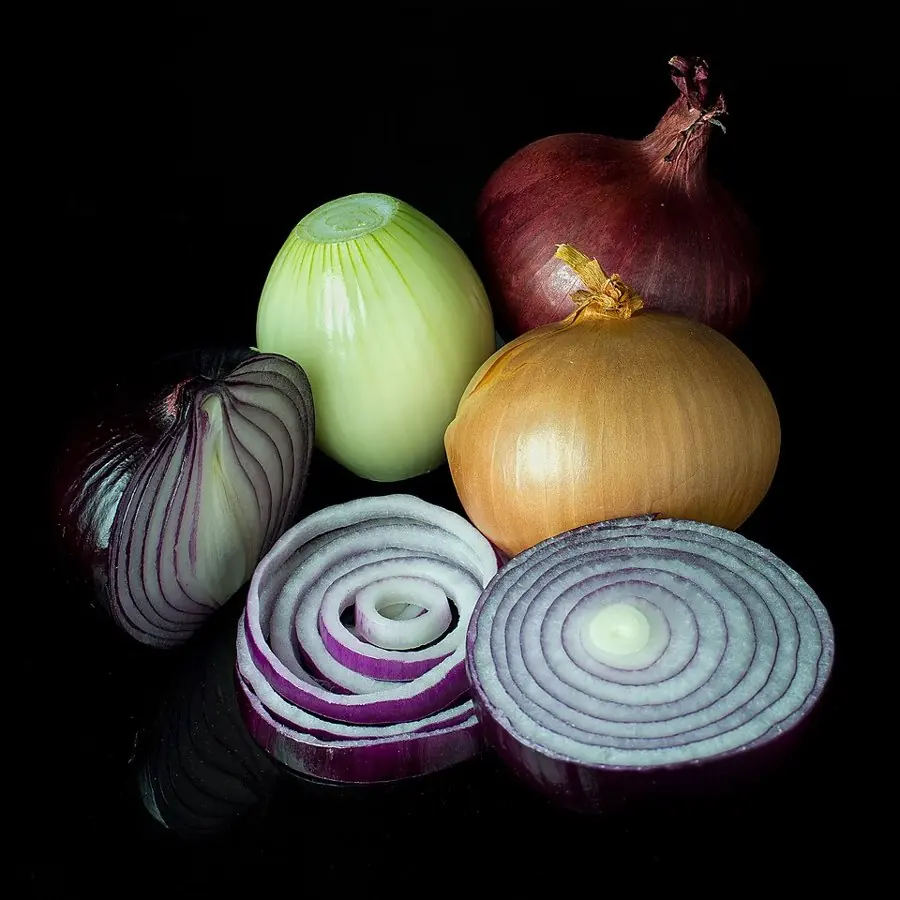
Choose seed or sets to suit your plans
Onions can be grown from seed or sets. Seed gives a wider choice and can be economical, but seedlings need care and a longer season. Sets are small dormant bulbs that establish quickly and are often easier for beginners. Choose a spring or autumn type rather than assuming all sets suit both seasons. Shallots form clusters of bulbs and are usually grown from sets, although seed is available.
Sow onion seed under cover in late winter for an early start, or direct sow in spring when the soil is workable. Plant spring sets in March or April. Autumn sets are intended for overwintering and need a free-draining bed; avoid them in heavy ground that remains wet.
Prepare a sunny, firm bed
Alliums grow best in an open, sunny position with fertile soil that drains well. Incorporate mature compost ahead of planting if the bed is poor, but avoid fresh manure and very loose soil. Firm the surface so bulbs root securely. A raised bed can help where winter drainage is difficult.
Set onion bulbs about 10–15 cm apart and shallots around 15–20 cm apart, with rows roughly 30 cm apart; use the packet if the variety differs. Push sets in so the tip is just visible, then water them in. Birds may pull them out before roots establish, so check after planting and protect with light, secured netting if needed.
Keep growth steady and watch for allium pests
Keep the bed weed-free because onions and shallots do not compete well. Water during prolonged dry weather while bulbs are swelling, then reduce watering as foliage naturally yellows. Avoid excess nitrogen; too much soft growth can delay ripening and reduce storage quality.
Bolting can follow stress, cold checks or unsuitable sets. Choose a variety suited to the planting season and avoid planting sets too early into cold, wet ground. Allium leaf miner, onion fly and leek moth vary by region; use fine insect mesh where these are established locally, seal the edges and rotate crops where possible.
Lift, cure and store safely
Lift bulbs when foliage yellows and begins to fall over, choosing a dry spell. Do not bend or tie green foliage to force ripening. Lay sound bulbs in a single layer under cover with good airflow until skins and necks are dry; this can take a few weeks depending on weather and ventilation.
Store only firm, undamaged bulbs in nets or shallow trays in a cool, dry, airy place. Check them periodically and remove any soft or mouldy bulbs. Use damaged onions first rather than storing them with the rest. Shallots can be cured and stored in a similar dry, ventilated way.