
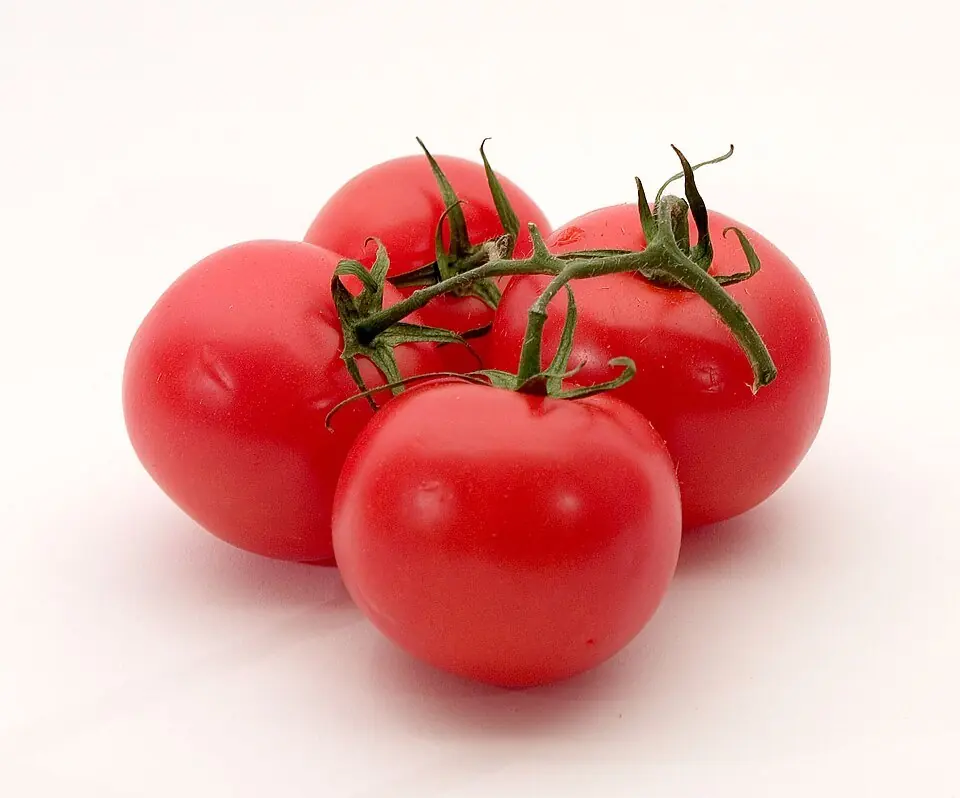
Growing at a glance
- Sow: late February to mid-March for greenhouse plants, or late March to early April for outdoor plants; germinate around 18°C.
- Plant out: after frost risk has passed and nights are mild, often late May or June; colder plots should wait.
- Harvest: mid-summer into autumn, depending on variety, sowing date and whether plants are under cover.
- Spacing: commonly 45–60 cm, adjusted for plant habit and airflow.
- Position and care: warm, sunny and sheltered; water consistently and feed container plants at label rates once fruit swells.
Pick a tomato type and sow at the right time
Tomatoes are tender, productive crops that suit a sunny greenhouse, polytunnel or sheltered outdoor bed. Cordon varieties grow as one main stem and need tying in and side-shooting; bush varieties spread naturally and are usually supported rather than pruned in the same way. Check the packet for the habit, mature size and whether the variety is intended for outdoor growing. In a short or cool season, an early outdoor variety or protected crop is more likely to ripen well.
For greenhouse growing, sow indoors from late February to mid-March; for outdoor plants, sow from late March to early April so seedlings are not large and weak before the weather is warm enough. Sow about 0.5 cm deep in moist seed compost at around 18°C. Seeds commonly emerge within one to two weeks. Keep them bright after germination, prick out when manageable and pot on before roots become cramped. Hold seedlings by a leaf, not the stem.
- Harden plants off gradually for about a week or longer if conditions are unsettled.
- Plant outside only after frost risk has passed and nights are reliably mild, often from late May or June; colder northern and exposed plots may need to wait.
Prepare the bed, pot or greenhouse
Choose full sun and shelter from strong wind. Tomatoes prefer fertile, moisture-retentive but free-draining soil. Add mature compost before planting; avoid putting fresh manure in the planting hole. In containers or growing bags, use a suitable peat-free growing medium with drainage and enough volume to hold moisture. Pots dry quickly, so a larger container is easier to manage than a small decorative pot.
Plant deeply, with the first leaves just above the soil, because the buried stem can form extra roots. Space plants about 45–60 cm apart, adjusting to the cultivar and greenhouse airflow. Put a sturdy cane or string support in place at planting. Leave room to reach each plant and ventilate the greenhouse; crowded damp foliage is harder to manage.
Water evenly and train the plant
Water the soil or compost consistently, especially during flowering and fruit swelling. A sudden swing from dry to saturated can contribute to split fruit and blossom end rot. Water at the base rather than over leaves, and check containers daily in hot weather. A pot sunk beside the plant can direct water towards the roots. Mulch moist soil outdoors to slow evaporation, leaving a little space around the stem.
For cordon plants, tie the leader loosely to its support and remove small side-shoots that form where a leaf meets the stem. Stop the main stem above the desired number of trusses when the season is ending, leaving foliage above the last truss. Bush varieties usually need no side-shoot removal; follow the variety instructions. Remove only damaged lower leaves and keep enough healthy foliage to feed the crop.
Feed appropriately and troubleshoot problems
Plants growing in enriched ground may not need extra feed. For container plants, once the first fruits begin to swell, use a high-potassium tomato feed about every 10–14 days, following its label. Weekly feeding is not necessary for every plant and can overfeed plants if the product is concentrated. Excess nitrogen often produces leafy growth at the expense of fruit. Pale growth may indicate several problems, so check root moisture, temperature and the growing medium before feeding.
Blossom end rot appears as a dark, sunken patch at the flower end of fruit and is commonly linked to irregular water supply affecting calcium movement into the fruit; adding calcium without correcting moisture may not help. Split fruit also follows uneven watering. Under cover, ventilate on warm days and inspect for whitefly and aphids. Outdoors, watch the forecast for tomato blight: look for rapidly spreading dark lesions on leaves and stems and brown patches on fruit. Remove badly affected plants or foliage and follow local green-waste advice; do not put blighted material in a cool home compost heap.
Harvest regularly and avoid common mistakes
Pick tomatoes when they are fully coloured for their variety and come away with a gentle lift or snip. Greenhouse plants usually start earlier and crop longer than outdoor plants; timing depends on variety, sowing date and summer weather. Regular picking prevents overripe fruit from splitting or moulding. At the end of the season, bring sound mature green fruit indoors to ripen in a warm place, or lift a healthy outdoor truss with fruit attached before frost.
Common mistakes include sowing too early without enough light, planting outside before nights are warm, letting pots dry and then flooding them, and treating all tomato types as cordons. Keep a note of which varieties ripened in your plot. Once harvested, use sound fruit promptly; do not refrigerate unripe tomatoes, as cold can reduce flavour.